How to Identify and Treat Hair Breakage vs. Hair Shedding
Nearly 40% of women experience noticeable hair loss or thinning by age 40 — yet most of them are treating the wrong problem entirely. The difference between hair breakage and hair shedding is not just cosmetic. Misidentifying which one you have can lead to months of wasted effort, money spent on the wrong products, and even worsening damage. Learning how to identify and treat hair breakage vs. hair shedding is one of the most important skills you can develop for long-term hair health.
I’ve spoken with countless people who spent years deep conditioning religiously, only to discover their real issue was a scalp condition causing excess shedding. Others were convinced they were “losing” hair, when what they actually had was severe breakage from heat damage. These two conditions look similar in the shower drain but require completely different solutions.
This guide will walk you through exactly how to tell them apart, what causes each one, and — most importantly — how to treat them effectively.
Key Takeaways 📌
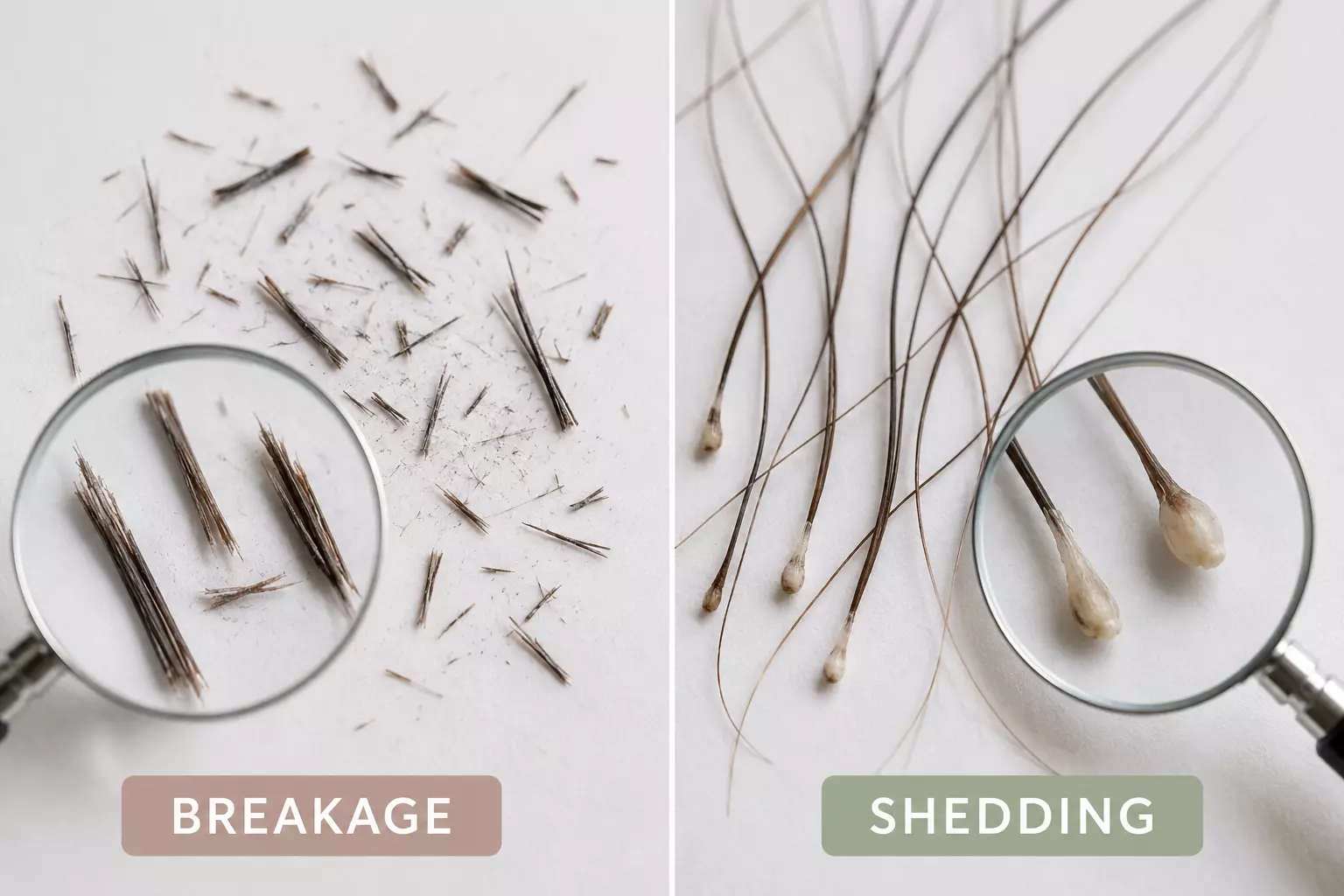
- Hair breakage happens mid-shaft; hair shedding happens at the root — and you can tell the difference by looking for a white bulb at the end of the strand.
- Normal shedding is 50–100 hairs per day; anything consistently above that may signal a health or hormonal issue.
- Breakage is almost always caused by mechanical or chemical damage and is largely preventable.
- Shedding is often tied to internal factors like nutrition, stress, hormones, or medical conditions.
- Treating the wrong condition can make things worse — so accurate identification comes first.
- Try our Free Interactive app: Diagnose Your Hair Issues & Get a Personalized Plan
Disclosure: This post contains affiliate links. As an Amazon Associate, we earn from qualifying purchases, and at no extra cost to you.
Understanding the Difference: Hair Breakage vs. Hair Shedding
Before diving into treatments, let’s get clear on what we’re actually dealing with.
What Is Hair Shedding?
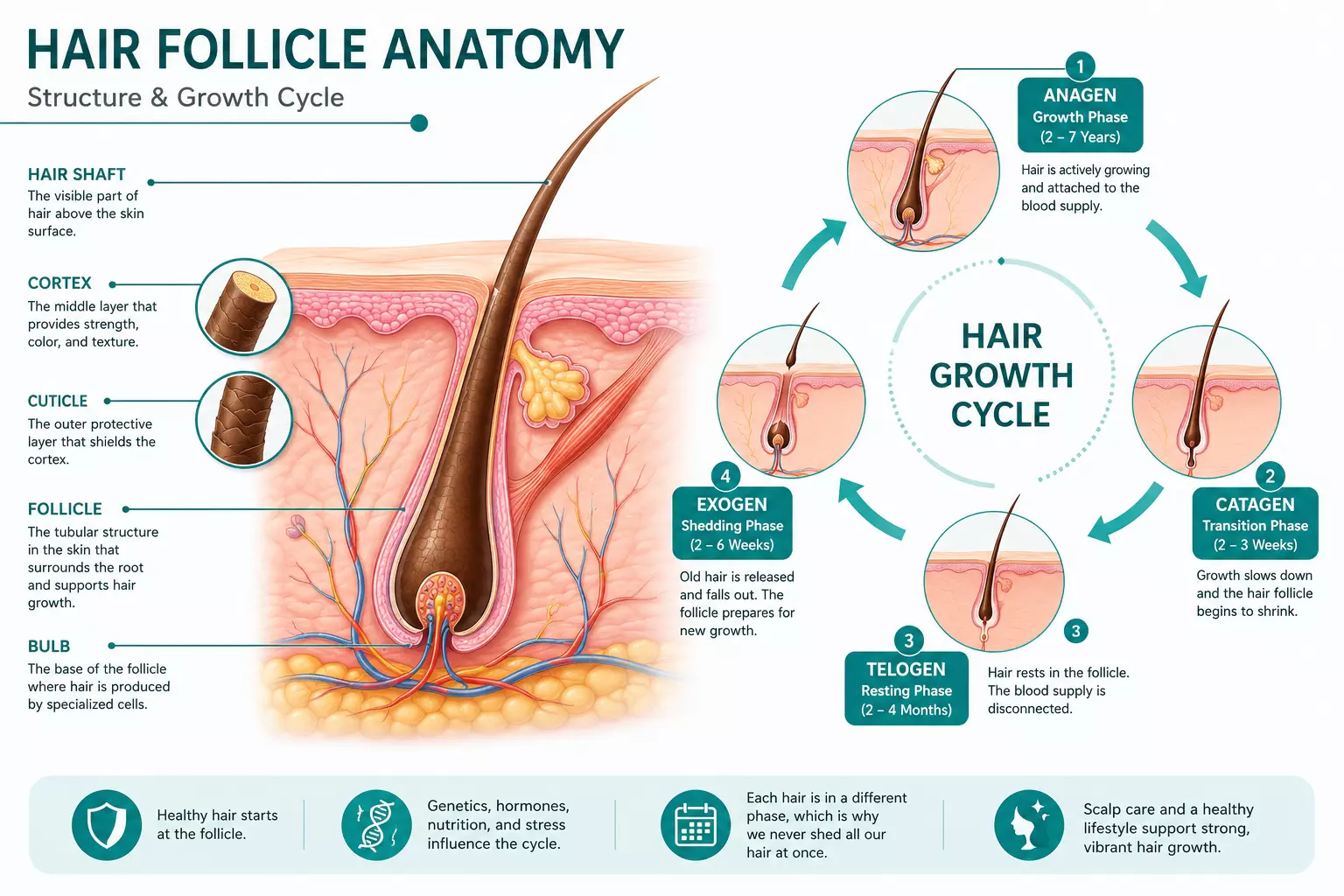
Hair shedding is a completely natural process. Every single strand on your head goes through a growth cycle with four phases:
- Anagen (growth phase) — lasts 2–7 years
- Catagen (transition phase) — lasts 2–3 weeks
- Telogen (resting phase) — lasts about 3 months
- Exogen (shedding phase) — the hair detaches and falls out
At any given time, about 10–15% of your hair is in the telogen/exogen phase. This is why losing 50–100 hairs per day is completely normal. When you see a hair on your pillow or in the shower, and it has a small white or translucent bulb at the root end, that’s a shed hair — it completed its natural cycle.
💬 “Shedding is your scalp doing its job. The problem starts when that process accelerates beyond normal range.”
What Is Hair Breakage?
Hair breakage, on the other hand, has nothing to do with the hair cycle. It occurs when the hair shaft itself becomes weak and snaps somewhere along its length. Breakage strands are typically:
- Short (often just a few centimeters)
- Jagged or frayed at the ends
- Missing the white bulb at the root end
- Varying in length — you may find tiny pieces and longer fragments mixed together
Breakage can happen anywhere from right near the scalp to the very tips of your hair.
The Quick At-Home Test 🔍
Here’s a simple method I recommend:
- After washing your hair, collect the strands that fall out.
- Lay them on a white surface (like a paper towel).
- Examine the ends closely.
| Feature | Breakage | Shedding |
|---|---|---|
| Length of strand | Short, variable | Long (near full hair length) |
| Root end | No bulb, jagged | White/translucent bulb present |
| Texture | May feel dry, rough | Usually smooth along shaft |
| Where found | On clothing, pillowcase | In shower, brush |
| Daily count concern | Any significant amount | More than 100/day consistently |
Common Causes of Hair Breakage
Understanding the root cause is essential when figuring out how to identify and treat hair breakage vs. hair shedding correctly. Breakage is almost always external in origin.
1. Heat Damage 🔥
Flat irons, curling wands, and blow dryers — when used at high temperatures without heat protection — literally cook the protein structure of your hair. The cuticle (the outer protective layer) lifts and cracks, leaving the inner cortex exposed and vulnerable to snapping.
Signs of heat damage:
- Hair feels rough and straw-like
- Ends split easily
- Hair won’t hold a curl or style
- Color looks dull and faded
2. Chemical Processing
Relaxers, perms, bleach, and even frequent coloring break down the disulfide bonds in your hair’s protein structure. Over-processed hair is structurally compromised and breaks with minimal tension.
3. Mechanical Stress
This is the one most people overlook. Everyday habits cause enormous mechanical damage:
- Tight hairstyles (high ponytails, braids, buns) create constant tension
- Rough towel drying — rubbing wet hair with a terry cloth towel shreds the cuticle
- Aggressive brushing, especially when hair is wet
- Elastic hair ties with metal clasps that snag and pull
- Cotton pillowcases that create friction overnight
4. Protein-Moisture Imbalance
Hair needs a balance of protein (for structure) and moisture (for flexibility). Too much of either causes problems:
- Too little protein: Hair feels mushy, stretches excessively, and breaks
- Too little moisture: Hair feels brittle, snaps without stretching
- Too much protein: Hair feels stiff, hard, and snaps easily
5. Environmental Factors
Sun exposure (UV radiation), chlorine from pools, and hard water minerals all degrade the hair shaft over time, contributing to breakage.
Common Causes of Hair Shedding
Excess shedding is almost always internal — driven by what’s happening inside your body.
1. Telogen Effluvium
This is the most common form of diffuse hair shedding. It occurs when a significant physical or emotional stressor pushes a large percentage of hairs into the telogen (resting) phase simultaneously. About 2–3 months after the trigger, you notice dramatic shedding.
Common triggers include:
- Major surgery or illness
- High fever (including from infections)
- Significant weight loss
- Childbirth (postpartum shedding is extremely common)
- Severe emotional trauma or prolonged stress
The good news: telogen effluvium is usually temporary. Once the trigger is resolved, hair typically regrows within 6–12 months.
2. Nutritional Deficiencies
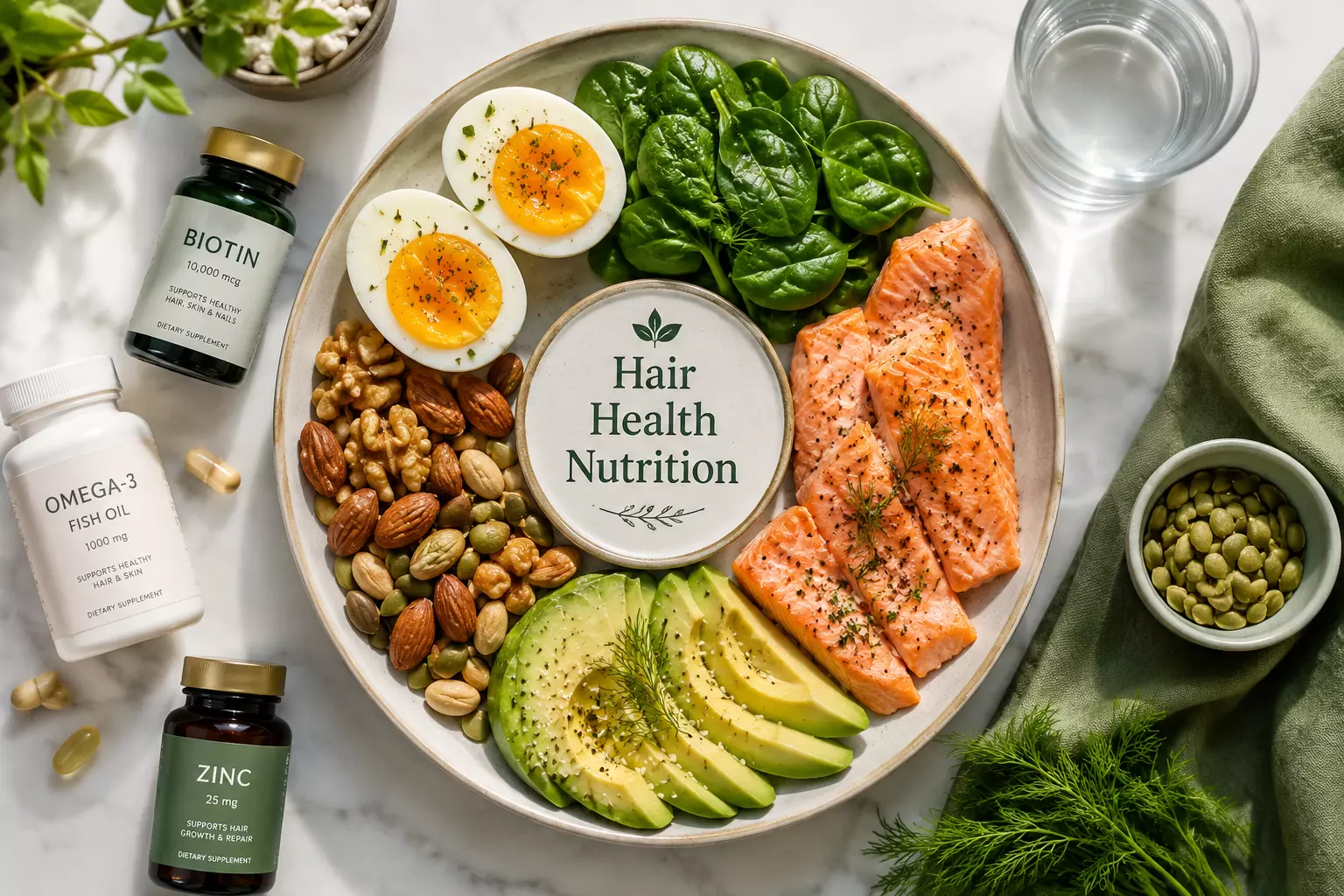
Hair follicles are among the most metabolically active cells in the body. They need a steady supply of nutrients to function. Deficiencies in the following are strongly linked to excess shedding:
- Iron (especially in women with heavy periods)
- Vitamin D
- Zinc
- Biotin (B7)
- Protein (yes, dietary protein — not just hair protein)
- Ferritin (stored iron)
3. Hormonal Changes
Hormones regulate the hair growth cycle. Disruptions cause widespread shedding:
- Thyroid disorders (both hypothyroidism and hyperthyroidism)
- Polycystic ovary syndrome (PCOS)
- Perimenopause and menopause
- Stopping hormonal birth control
- Androgenetic alopecia (genetic hair thinning driven by DHT sensitivity)
4. Scalp Conditions
An unhealthy scalp environment disrupts follicle function:
- Seborrheic dermatitis (dandruff)
- Scalp psoriasis
- Fungal infections (tinea capitis)
- Folliculitis
5. Medications
Many medications list hair loss as a side effect, including blood thinners, antidepressants, blood pressure medications, and chemotherapy drugs. If you started a new medication and noticed increased shedding 2–3 months later, speak with your doctor.
How to Treat Hair Breakage Effectively
Now that you can identify the problem, let’s talk solutions. When learning how to identify and treat hair breakage vs. hair shedding, the treatment phase is where most people finally see results.
Restore the Protein-Moisture Balance
This is the foundation of breakage repair.
For moisture-deficient hair (brittle, snaps without stretching):
- Use a deep conditioning mask weekly (look for ingredients like shea butter, aloe vera, glycerin, hyaluronic acid)
- Apply a leave-in conditioner after every wash
- Seal moisture with a light oil (argan, jojoba, or avocado oil)
For protein-deficient hair (mushy, stretches and breaks):
- Use a protein treatment every 4–6 weeks (look for hydrolyzed keratin, wheat protein, or silk amino acids)
- Follow every protein treatment with a moisturizing deep conditioner
For protein-overloaded hair (stiff, snaps easily):
- Skip protein treatments for 6–8 weeks
- Focus exclusively on moisture
Reduce Mechanical Damage 🛡️
| Old Habit | Better Alternative |
|---|---|
| Terry cloth towel drying | Microfiber towel or old cotton t-shirt |
| Brushing wet hair | Wide-tooth comb, detangle from ends up |
| Tight elastic hair ties | Silk scrunchies or spiral hair ties |
| Cotton pillowcase | Silk or satin pillowcase |
| Daily heat styling | Air dry when possible; use heat protectant always |
Lower Your Heat Styling Temperature
Most hair types don’t need temperatures above 350°F (175°C). Fine or damaged hair should stay below 300°F (150°C). Always use a heat protectant spray or serum before any hot tool touches your hair.
Trim Regularly
I know — it feels counterintuitive when you’re trying to grow your hair. But trimming split ends every 8–12 weeks prevents the split from traveling up the shaft, which causes even more breakage over time.
Protective Styling
Styles that tuck your ends away (like braids, twists, or buns) reduce daily manipulation and environmental exposure. Just make sure they’re not too tight — tension at the hairline is a major cause of breakage and even traction alopecia.
How to Treat Hair Shedding Effectively
Treating excess shedding requires a different approach entirely — one focused on internal health and scalp environment.
Step 1: Get Blood Work Done
This is non-negotiable. Before spending money on supplements or treatments, see a doctor and request a comprehensive panel that includes:
- Complete blood count (CBC)
- Ferritin levels (not just iron — ferritin is the storage form and is more telling)
- Thyroid panel (TSH, Free T3, Free T4)
- Vitamin D
- Zinc
- Hormonal panel if relevant (estrogen, testosterone, DHEA)
Many people discover their ferritin levels are technically “in range” but far too low for optimal hair growth. Most hair specialists suggest ferritin above 70 ng/mL for healthy hair, even though lab reference ranges often start at 12.
Step 2: Address Nutritional Gaps
Once you know what you’re deficient in, supplement strategically:
- Iron + Vitamin C (C enhances iron absorption — take them together)
- Vitamin D3 + K2 (K2 helps with D3 absorption and utilization)
- Zinc (don’t over-supplement — excess zinc can actually cause shedding)
- Biotin (most effective when there’s an actual deficiency)
⚠️ Always consult a healthcare provider before starting supplements, especially iron, which can be harmful in excess.
Step 3: Support Your Scalp Health
A healthy scalp is the foundation of healthy hair growth.
- Scalp massages: Research suggests that regular scalp massage (4–5 minutes daily) may help stimulate blood flow to follicles. I personally do this every morning with a few drops of rosemary oil diluted in a carrier oil.
- Scalp exfoliation: Use a gentle scalp scrub or exfoliating shampoo once a week to remove buildup that can clog follicles.
- Anti-dandruff shampoo: If seborrheic dermatitis is contributing to your shedding, zinc pyrithione or ketoconazole shampoos can help.
Step 4: Manage Stress
Chronic stress is one of the most underestimated drivers of telogen effluvium. Cortisol (the stress hormone) disrupts the hair growth cycle at a cellular level.
Practical strategies:
- Sleep: Aim for 7–9 hours. Hair repair and growth happen during sleep.
- Exercise: Regular moderate exercise reduces cortisol and improves circulation.
- Mindfulness practices: Even 10 minutes of daily meditation has measurable effects on cortisol levels.
Step 5: Consider Topical Treatments
For persistent shedding related to androgenetic alopecia or DHT sensitivity:
- Minoxidil (Rogaine): The only FDA-approved topical treatment for hair loss in both men and women. It extends the anagen phase and widens hair follicles.
- Rosemary oil: A 2023 study found rosemary oil comparable to 2% minoxidil for promoting hair growth with fewer scalp side effects.
- Caffeine shampoos: Some evidence suggests caffeine may counteract DHT’s effects on follicles.
For anything beyond lifestyle and over-the-counter solutions, consult a dermatologist or trichologist (a hair and scalp specialist).
When You Have Both: Breakage AND Shedding
Here’s a reality check: many people experience both simultaneously. I’ve seen this pattern repeatedly — someone dealing with postpartum shedding who also has heat-damaged ends. Or someone with iron deficiency shedding who also has high-porosity bleached hair prone to breakage.
In these cases, the approach is layered:
- Prioritize the shedding first — address internal health, because no external treatment will compensate for a nutritional deficiency or hormonal imbalance.
- Simultaneously reduce breakage triggers — stop the mechanical and heat damage while you work on the internal issues.
- Be patient — hair grows approximately ½ inch (1.25 cm) per month. Recovery takes time.
Red Flags: When to See a Doctor Immediately 🚨
Don’t wait if you notice:
- Sudden, dramatic hair loss in clumps
- Bald patches (could indicate alopecia areata — an autoimmune condition)
- Shedding accompanied by fatigue, weight changes, or skin changes (thyroid signs)
- Scalp pain, burning, or visible inflammation
- Hair loss in a receding pattern at the hairline or temples
Building a Sustainable Hair Care Routine in 2026
The best long-term strategy for preventing both breakage and shedding is a consistent, gentle routine tailored to your hair type and current condition.
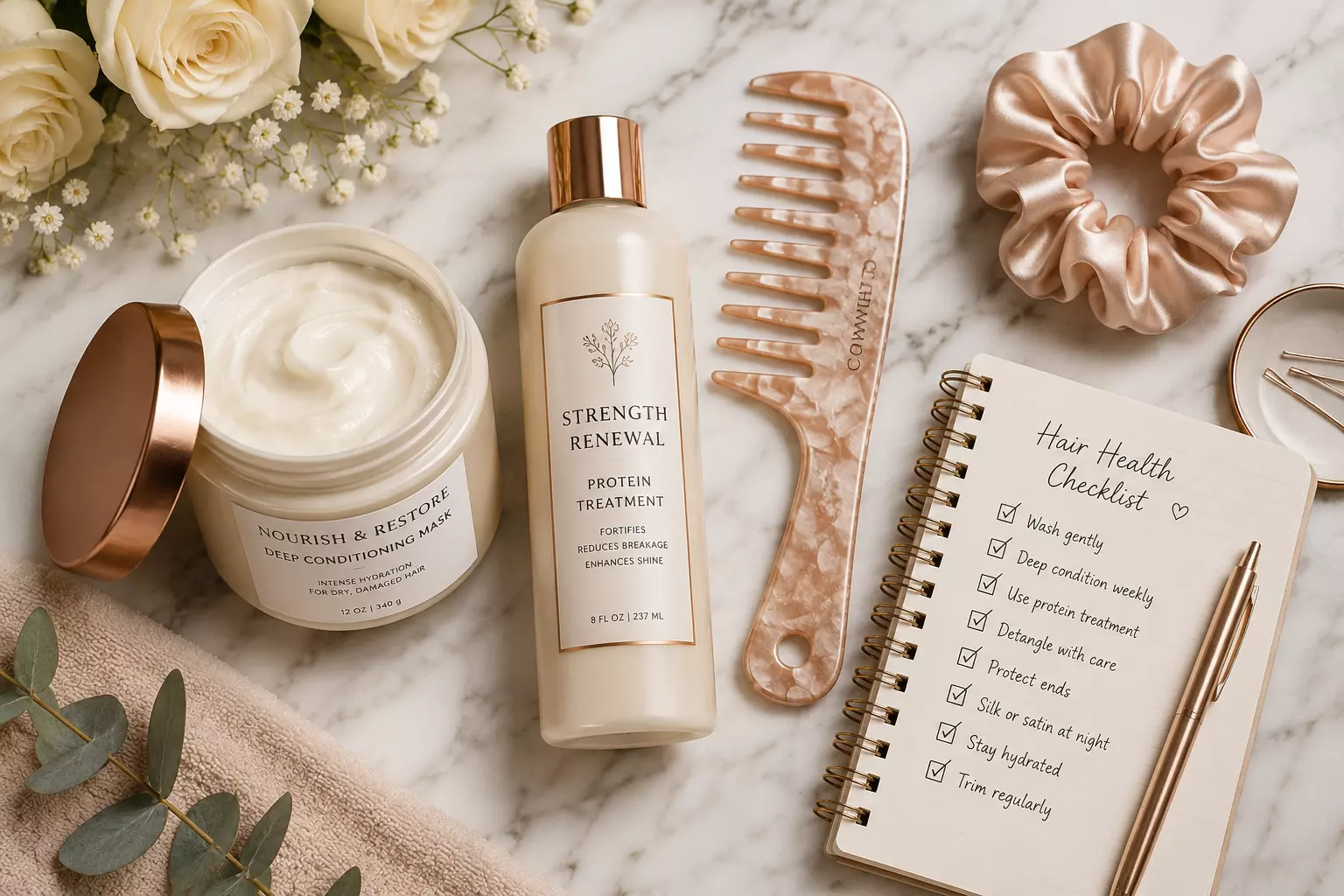
Weekly Hair Health Checklist ✅
- [ ] Wash with a sulfate-free shampoo (sulfates strip natural oils)
- [ ] Follow with a moisturizing conditioner (focus on mid-lengths and ends)
- [ ] Apply a deep conditioning mask once weekly
- [ ] Use a heat protectant every single time before heat styling
- [ ] Detangle gently with a wide-tooth comb on damp, conditioned hair
- [ ] Sleep on a silk or satin pillowcase
- [ ] Eat a protein-rich, nutrient-dense diet daily
- [ ] Stay hydrated — dehydration affects hair moisture from the inside out
Understanding How to Identify and Treat Hair Breakage vs. Hair Shedding Long-Term
The most important mindset shift is moving from reactive to proactive hair care. Most people only pay attention to their hair when something goes wrong. But by then, months of damage have already accumulated.
Think of your hair health like your overall health — it reflects what’s happening inside your body and how you treat it daily. The habits you build now will determine the condition of your hair a year from now.
Conclusion: Your Action Plan Starts Today
Understanding how to identify and treat hair breakage vs. hair shedding is genuinely transformative. Once you can tell the difference, you stop wasting time and money on the wrong solutions and start making real progress.
Here’s your immediate action plan:
- Do the strand test today — collect some fallen hairs and check for the white bulb. Now you know what you’re dealing with.
- If it’s breakage: Audit your routine this week. Identify your top two mechanical or heat damage habits and eliminate them first.
- If it’s shedding: Book a blood work appointment. Don’t guess at supplements — know what you actually need.
- If you’re unsure: Start with the basics — a gentle routine, a nutrient-dense diet, and reduced stress — while you gather more information.
- Track your progress: Take a photo of your hairline and part width today. Compare in 90 days. Hair changes slowly, and having a visual record keeps you motivated.
Your hair is telling you something. In 2026, we have better tools, better information, and better products than ever before to listen to it — and respond effectively. The first step is simply knowing what you’re looking at.