How Often Should You Really Wash Your Hair? (By Hair Type)
Only 22% of people wash their hair on the schedule that actually suits their specific hair type — the rest are either over-washing or under-washing, and both habits quietly damage hair health over time. If you’ve ever stood in the shower wondering whether today is a shampoo day, you’re not alone. The question of how often should you really wash your hair (by hair type) is one of the most searched hair care topics in 2026 — and the answer is far more nuanced than “every other day.”
This guide cuts through the noise. We’ll break down exactly how often different hair types should be washed, why scalp biology matters more than most people think, and how to build a wash routine that actually works for your hair — not someone else’s.
Key Takeaways 🗝️
- There is no universal answer — wash frequency depends on hair type, scalp oiliness, lifestyle, and styling habits.
- Straight, fine hair typically needs washing every 1–2 days; coily and natural hair may only need washing once a week or less.
- Over-washing strips natural oils; under-washing leads to buildup, scalp irritation, and potential hair loss.
- Scalp health is the foundation — your scalp, not just your strands, should drive your wash schedule.
- Co-washing and dry shampoo can be strategic tools between wash days when used correctly.
- Try our Free Interactive app: Discover Your Perfect Hair Wash Schedule with Our Free Tool
Disclosure: This post contains affiliate links. As an Amazon Associate, we earn from qualifying purchases, and at no extra cost to you.
Understanding Hair Types and Why They Change Everything
Before answering how often should you really wash your hair (by hair type), it helps to understand why hair type matters so much in the first place.
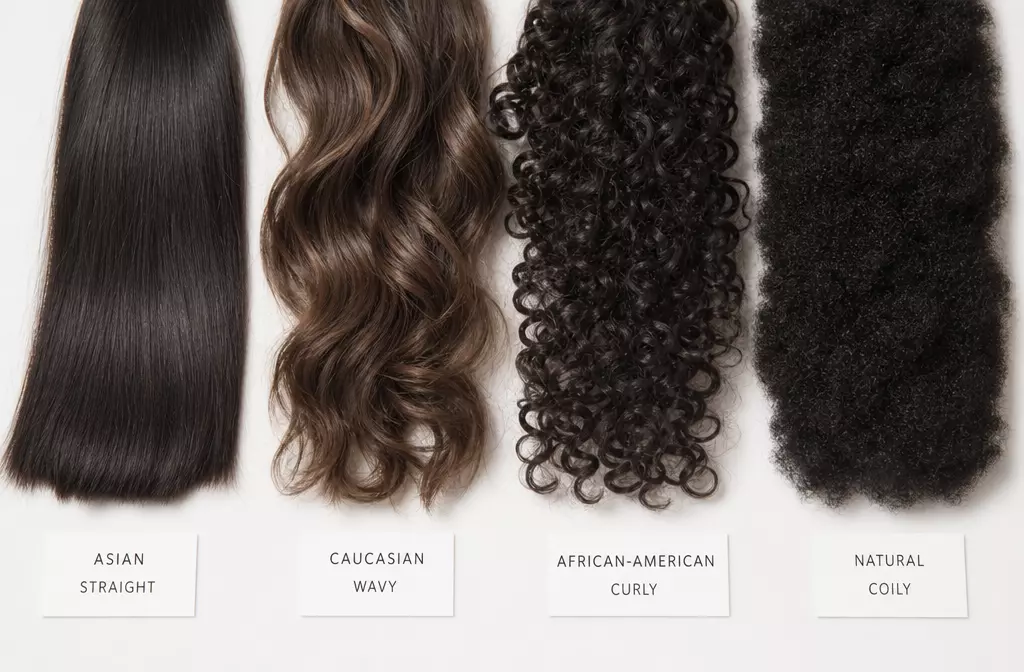
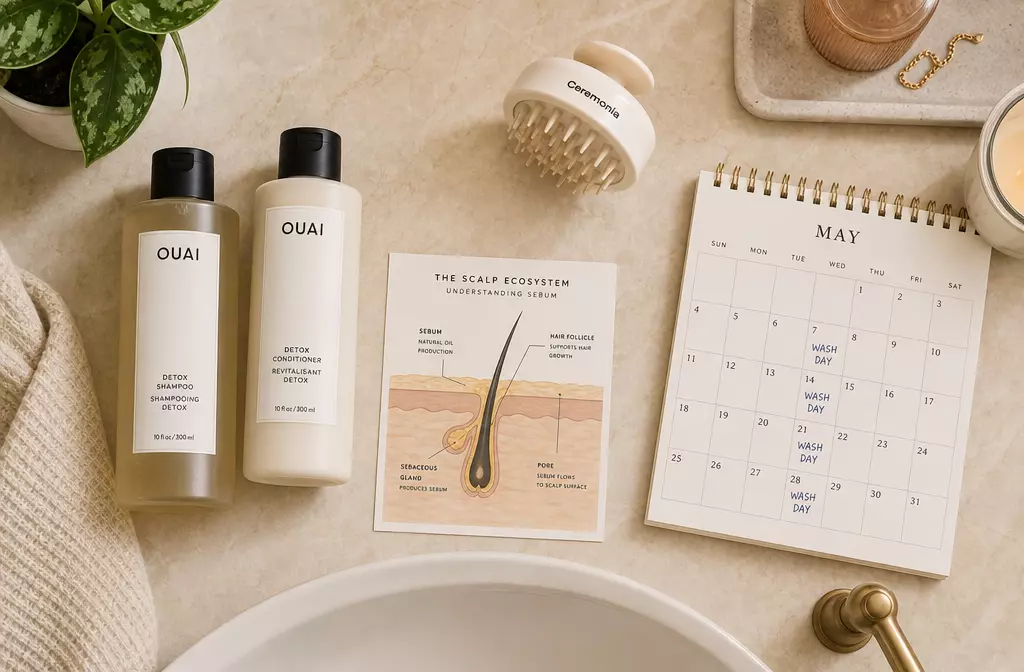
Your scalp produces a natural oil called sebum. This oil travels down the hair shaft from the root to the tip — but here’s the catch: the curlier or coilier your hair, the harder it is for sebum to travel that full length. This single biological fact explains why wash frequency recommendations vary so dramatically across hair types.
The Four Main Hair Type Categories
Most hair professionals use a classification system that groups hair into four broad categories:
| Hair Type | Description | Sebum Travel | Wash Frequency |
|---|---|---|---|
| Type 1 | Straight | Very easy | Every 1–2 days |
| Type 2 | Wavy | Moderate | Every 2–3 days |
| Type 3 | Curly | Difficult | Every 3–7 days |
| Type 4 | Coily/Kinky | Very difficult | Once a week or less |
💡 Pull Quote: “Your hair type isn’t just about how it looks — it determines how quickly it gets oily, how much moisture it retains, and how often it actually needs a wash.”
Beyond the curl pattern, two other factors heavily influence your ideal wash schedule:
- Scalp type (oily, normal, dry, or combination)
- Hair porosity (how well your hair absorbs and retains moisture)
A person with Type 3 curly hair but a very oily scalp may need to wash more frequently than another person with the same curl pattern but a drier scalp. This is why cookie-cutter advice so often fails people.
How Often Should You Really Wash Your Hair by Hair Type?
Let’s get specific. Here is a detailed breakdown for each hair type, along with real-world context and practical tips.
Type 1: Straight Hair — Every 1 to 2 Days
Straight hair is the most prone to looking greasy quickly. Because there’s no curl or wave to slow sebum’s journey, oil moves from the scalp to the tips with almost no resistance. By day two, many people with straight, fine hair notice their roots looking flat and oily.
Signs you’re over-washing straight hair:
- Scalp feels tight or itchy after washing
- Hair looks dull and dry at the ends
- You’re experiencing more breakage than usual
Signs you’re under-washing:
- Roots look greasy within 24 hours
- Hair smells musty or stale
- Scalp feels itchy or flaky
Pro tip: If you have straight hair and feel like you must wash daily, try switching to a gentle, sulfate-free shampoo to reduce stripping. Many people find they can stretch to every other day once they stop using harsh formulas.
Type 2: Wavy Hair — Every 2 to 3 Days
Wavy hair sits in a sweet spot — not as quick to oil up as straight hair, but not as dry as curly or coily hair. Most people with wavy hair find a wash every two to three days keeps their waves defined without buildup.
The wavy hair challenge: Wavy hair is prone to frizz and losing its pattern when over-washed. Frequent shampooing can strip the moisture that keeps waves intact.
Recommended approach:
- Wash every 2–3 days with a moisturizing shampoo
- Use a lightweight conditioner focused on mid-lengths to ends
- On non-wash days, refresh waves with a water-and-conditioner spritz
Type 3: Curly Hair — Every 3 to 7 Days
Curly hair (ranging from loose curls to tight ringlets) needs significantly more time between washes. The spiral shape of each strand makes it genuinely difficult for scalp oils to travel downward, which means the ends of curly hair are almost always drier than the roots.
Washing too frequently with traditional shampoo can cause:
- Hygral fatigue (weakening of the hair shaft from repeated swelling and drying)
- Loss of curl definition
- Chronic dryness and frizz
The curly hair community has largely adopted the “Curly Girl Method,” which recommends:
- Washing with a sulfate-free shampoo or co-wash (conditioner-only washing)
- Deep conditioning regularly
- Avoiding heat and harsh chemicals
I spoke with a friend who has Type 3b curls and spent years washing her hair every day because she thought that’s what you were supposed to do. Her hair was constantly frizzy and breaking. When she switched to washing once a week with a co-wash in between, her curls transformed within a month. Her experience is far from unique.
Type 4: Coily and Natural Hair — Once a Week or Less
Coily hair (Type 4a, 4b, and 4c) is the most fragile and moisture-hungry of all hair types. The tight coil pattern means sebum almost never reaches the ends naturally, making this hair type chronically prone to dryness and breakage.
Washing too often is one of the most common mistakes people with coily hair make — often because of societal pressure or outdated advice.
🧴 Pull Quote: “For Type 4 coily hair, washing once a week — or even every 10–14 days — is not only acceptable, it’s often ideal for maintaining moisture and preventing breakage.”
Recommended wash schedule for coily hair:
- Full shampoo wash: Once every 1–2 weeks
- Co-wash: Once between shampoo washes if scalp feels dirty
- Scalp refresher spritz: As needed between washes
Key products for coily hair wash days:
- Clarifying shampoo (used monthly to remove buildup)
- Moisturizing or co-wash shampoo (weekly or bi-weekly)
- Deep conditioner or hair mask (every wash day)
- Leave-in conditioner and sealant oil
The Role of Scalp Health in Determining Wash Frequency
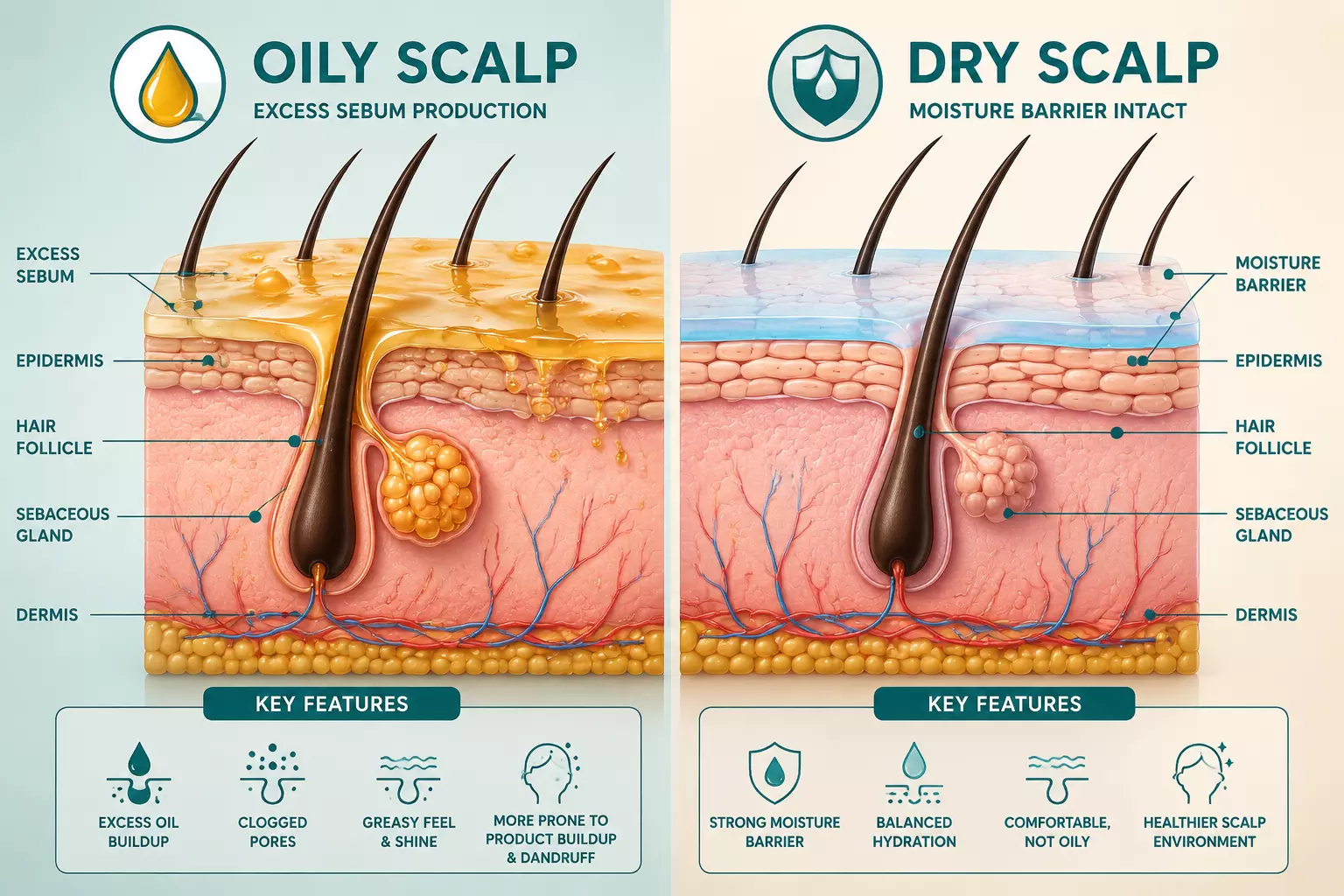
No conversation about how often should you really wash your hair (by hair type) is complete without talking about the scalp. Your scalp is essentially skin — and like the skin on your face, it has its own microbiome, oil production rate, and needs.
What Happens When You Wash Too Often
Shampooing strips the scalp of sebum. When you do this too frequently, your scalp’s sebaceous glands can go into overdrive — producing more oil to compensate. This creates a frustrating cycle where you feel like you need to wash daily just to keep up with the grease, when in reality, the daily washing is causing the excess oil.
Signs of an over-washed scalp:
- Constant oiliness that seems to get worse over time
- Dry, flaky patches (not dandruff — just dryness)
- Scalp sensitivity or redness
What Happens When You Wash Too Infrequently
On the other end, going too long without washing leads to:
- Sebum buildup that can clog follicles
- Accumulation of dead skin cells and product residue
- Scalp odor
- In severe cases, a condition called seborrheic dermatitis (dandruff-like flaking with inflammation)
Finding Your Scalp’s Sweet Spot
The goal is to find the frequency that keeps your scalp balanced — not stripped, not overloaded. A good test: if your scalp feels comfortable, your hair doesn’t smell, and your roots don’t look greasy or flaky, you’ve found your rhythm.
Factors that may require more frequent washing:
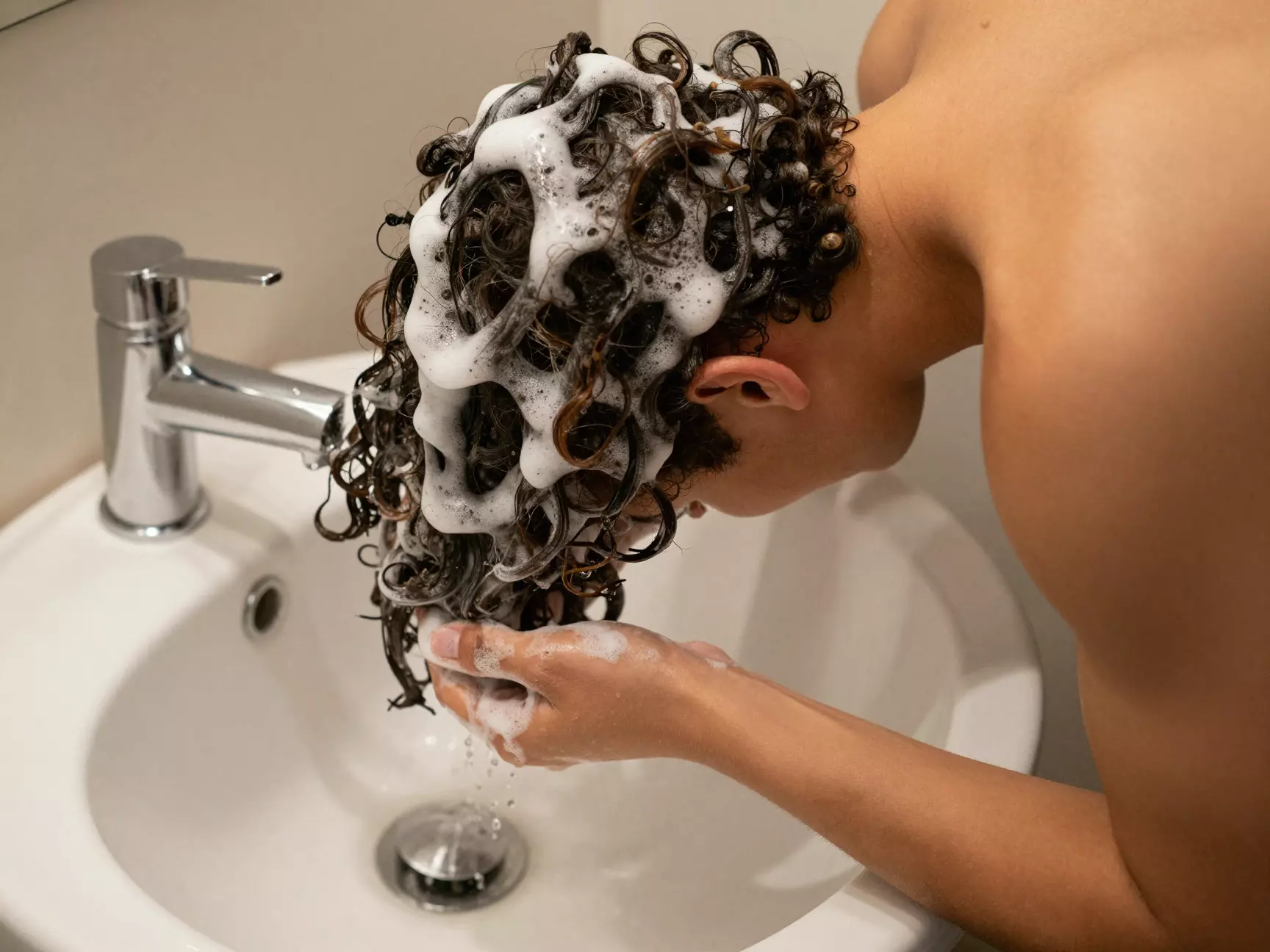
- ☀️ Heavy sweating from exercise or hot weather
- 🏊 Swimming in chlorinated or salt water
- 💨 High pollution environments
- 🎨 Heavy product use (dry shampoo, hairspray, styling creams)
Special Circumstances That Affect How Often You Should Wash
Life isn’t static, and neither is your hair’s needs. Several specific situations can shift your ideal wash frequency significantly.
After Exercise 🏃
Sweat contains salt and can irritate the scalp if left too long. However, shampooing after every single workout is overkill for most hair types.
Practical solutions:
- Straight/wavy hair: Rinse with water after workouts; full shampoo every 2–3 workouts
- Curly/coily hair: Use a scalp-focused spray or diluted conditioner rinse; full wash only when needed
- A scalp massager in the shower can help loosen sweat and buildup without requiring a full shampoo
During Seasonal Changes 🍂❄️
Many people find they need to adjust their wash schedule with the seasons:
- Winter: Cold air and indoor heating dry out the scalp → wash less frequently
- Summer: Heat and humidity increase sweat and oil → may need to wash more often
During Pregnancy or Hormonal Changes
Hormonal shifts — during pregnancy, menopause, or due to medications — can dramatically change how oily or dry your scalp becomes. If you notice your hair suddenly behaving differently, your wash schedule may need to shift accordingly.
After Chemical Treatments
If you’ve recently had a perm, relaxer, or color treatment, your hair is more fragile and porous. Dermatologists and hair professionals generally recommend:
- Waiting 48–72 hours after chemical treatments before the first wash
- Using color-safe or bond-repairing shampoos
- Reducing wash frequency temporarily while hair recovers
Smart Tools Between Wash Days
Stretching your wash schedule doesn’t mean tolerating dirty-looking hair. These tools can help you go longer between washes without sacrificing appearance.
Dry Shampoo
Dry shampoo absorbs excess scalp oil and adds volume. It’s most effective for straight and wavy hair types.
⚠️ Important caveat: Dry shampoo is a tool, not a replacement for washing. Using it too frequently without washing can cause significant product buildup and even clog follicles. Always follow up with a proper wash within a day or two of use.
Co-Washing
Co-washing means washing your hair with conditioner only — no shampoo. It gently cleanses without stripping moisture. It’s especially popular and effective for:
- Type 3 curly hair
- Type 4 coily hair
- Color-treated hair
Scalp Serums and Refresher Sprays
A light scalp serum or DIY water-and-aloe spray can refresh the scalp between washes, reduce itchiness, and extend the life of a blowout or style.

How Often Should You Really Wash Your Hair? Building Your Personal Schedule
Now that you understand the principles, here’s how to build a wash schedule that’s genuinely yours.
Step 1: Identify Your Hair Type
Use the table earlier in this article to determine whether you’re a Type 1, 2, 3, or 4. If you’re unsure, look at your hair when it’s air-dried with no products — that’s your natural texture.
Step 2: Assess Your Scalp Type
- Oily scalp: Roots look greasy within 24 hours of washing
- Normal scalp: Roots stay fresh for 2–3 days
- Dry scalp: Scalp feels tight, itchy, or flaky; rarely looks greasy
Step 3: Factor in Your Lifestyle
- Do you exercise daily? Add 1 extra rinse or wash per week.
- Do you use heavy styling products? Plan a clarifying wash once a month.
- Do you live in a high-pollution area? Wash slightly more frequently.
Step 4: Start With the Recommended Range and Adjust
Use the hair type recommendations as your starting point, then observe how your hair and scalp respond over 2–3 weeks. Adjust by one day at a time until you find your sweet spot.
Quick Reference Guide 📋
| Hair Type | Base Frequency | Oily Scalp Adjustment | Dry Scalp Adjustment |
|---|---|---|---|
| Type 1 (Straight) | Every 1–2 days | Daily | Every 2 days |
| Type 2 (Wavy) | Every 2–3 days | Every 1–2 days | Every 3–4 days |
| Type 3 (Curly) | Every 3–7 days | Every 3–4 days | Every 7–10 days |
| Type 4 (Coily) | Every 7–14 days | Every 5–7 days | Every 10–14 days |
Conclusion: Your Hair, Your Rules
The answer to how often should you really wash your hair (by hair type) isn’t a single number — it’s a personalized formula based on your curl pattern, scalp biology, lifestyle, and the products you use. What works beautifully for your friend with pin-straight hair may be completely wrong for your Type 4 coils, and vice versa.
Here are your actionable next steps:
- ✅ Identify your hair type using the Type 1–4 framework
- ✅ Assess your scalp — oily, normal, or dry
- ✅ Start with the recommended frequency for your hair type and adjust over 2–3 weeks
- ✅ Invest in the right products — sulfate-free shampoos, co-washes, and clarifying formulas for monthly use
- ✅ Use the Hair Wash Frequency Finder below to get a personalized recommendation in seconds
- ✅ Revisit your routine seasonally — your hair’s needs change with the weather, hormones, and lifestyle
The best wash schedule is one you can sustain, that keeps your scalp healthy, and that makes your hair look and feel its best. Trust the process, give your hair time to adjust, and remember: healthy hair starts at the scalp. 🌿