How to Get Rid of Split Ends Without Cutting Your Hair (And When You Must)
Nearly 80% of people with long hair report dealing with split ends on a regular basis — yet most of them reach for scissors as the only solution. Here’s the truth that most stylists won’t tell you upfront: you can significantly reduce the appearance of split ends, slow their progression, and protect your hair from further damage without a single snip — at least for a while. Understanding how to get rid of split ends without cutting your hair (and when you must) is one of the most valuable skills any hair-care enthusiast can develop.
I learned this the hard way. After two years of growing my hair past my shoulders, I walked into a salon and left with a cut that took off four inches — all because I hadn’t been managing my ends properly. That experience sent me deep into the world of hair science, and what I found changed everything about my routine.
Disclosure: This post contains affiliate links. As an Amazon Associate, we earn from qualifying purchases, and at no extra cost to you.
Key Takeaways 📌
- Split ends cannot be permanently “healed” — but their appearance can be masked and their spread can be slowed with the right products and habits.
- Moisture and protein balance are the two biggest factors in preventing new split ends from forming.
- Protective styling, silk pillowcases, and regular deep conditioning are your best non-cutting tools.
- Some split ends are too severe to manage without a trim — knowing the difference saves your hair long-term.
- Prevention is always more effective than treatment — building a consistent routine is the real secret.
- Try our Free Interactive app: Get Your Personalized Hair Recovery Plan with the Split End Rescue Planner
What Are Split Ends and Why Do They Happen?
Before diving into solutions, it helps to understand what you’re actually dealing with.
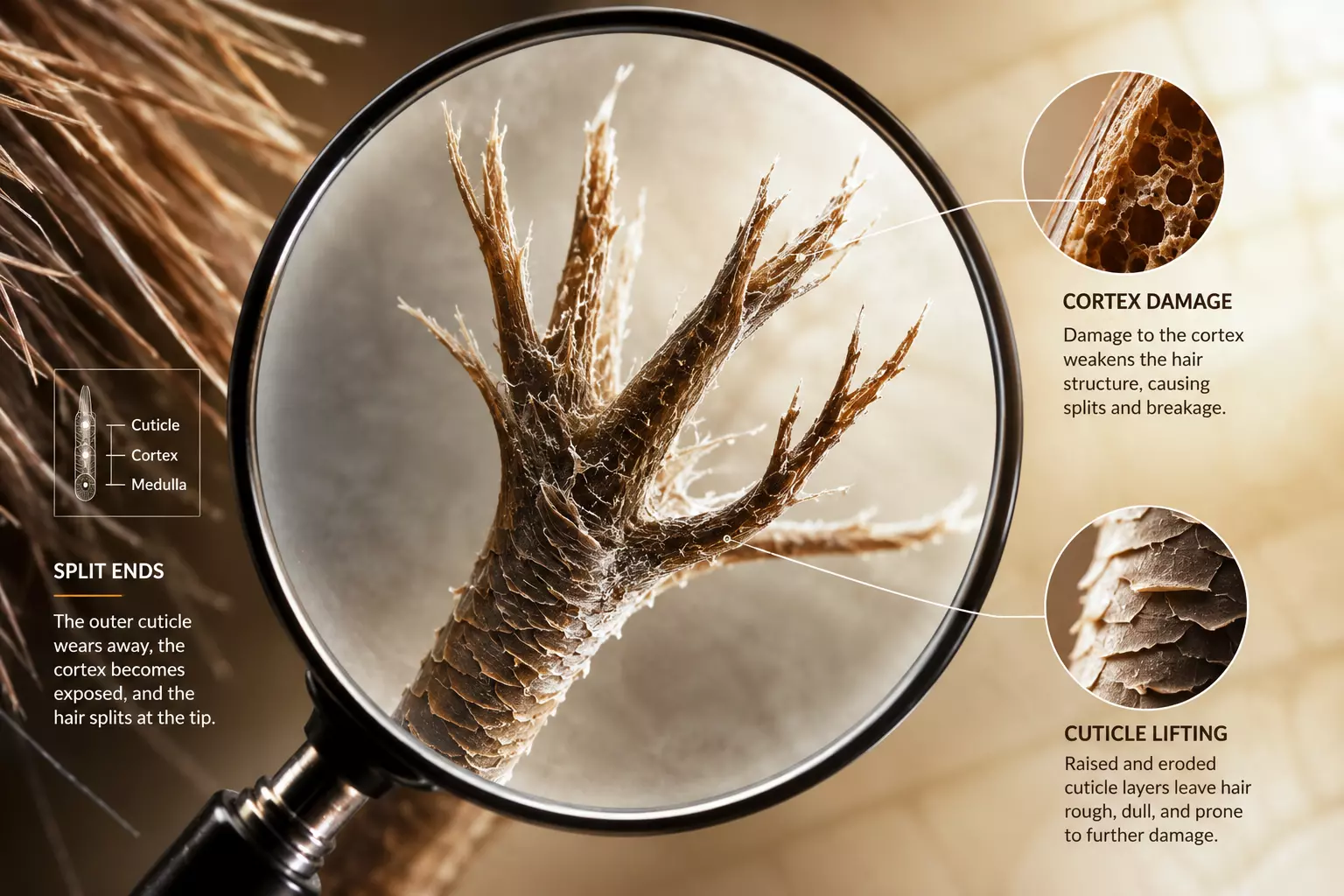
A split end — technically called trichoptilosis — occurs when the protective outer layer of the hair shaft (the cuticle) wears away, leaving the inner cortex exposed and vulnerable. Once that cuticle is gone, the hair fiber literally splits apart, sometimes into two strands (a classic “Y” split), sometimes into multiple branches (a “tree” split), and occasionally into a deep split that travels far up the shaft.
The Most Common Causes of Split Ends
| Cause | Why It Damages Hair |
|---|---|
| Heat styling (flat irons, curling wands) | Strips moisture and degrades the cuticle |
| Chemical treatments (bleach, perms, relaxers) | Weakens the protein structure of the hair |
| Rough towel drying | Creates friction that lifts and tears the cuticle |
| Elastic hair ties | Snaps and bends hair fibers repeatedly |
| Sun and wind exposure | UV rays degrade the hair’s keratin proteins |
| Nutritional deficiencies | Hair lacks the building blocks to stay strong |
| Brushing wet hair aggressively | Hair is most fragile when wet |
💡 Pull Quote: “Split ends don’t happen overnight. They’re the cumulative result of dozens of small daily habits — which means small daily changes can make a real difference.”
How to Get Rid of Split Ends Without Cutting Your Hair: The Core Strategies
Let’s be direct: you cannot biologically repair a split end. Once the cuticle is gone, it’s gone. However, you can temporarily seal the split, prevent it from traveling further up the shaft, and dramatically reduce the appearance of damaged ends. Think of it as damage control — and it works remarkably well when done consistently.
1. 🧴 Use a Bond-Repair or Keratin Treatment
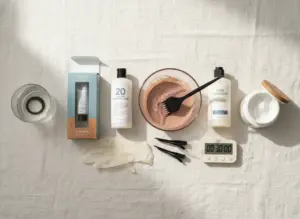
Products containing hydrolyzed keratin, amino acids, or bond-building technology (like those using bis-aminopropyl diglycol dimaleate, the active ingredient in Olaplex-style treatments) work by temporarily filling in gaps in the hair’s protein structure.
How to use them:
- Apply a bond-repair treatment to clean, damp hair
- Leave on for the recommended time (usually 10–30 minutes)
- Follow with a moisturizing conditioner
- Use once every 2–4 weeks depending on damage level
2. 💧 Deep Condition Weekly
Dryness accelerates split end progression. A deep conditioning mask rich in ingredients like shea butter, avocado oil, or coconut oil restores moisture to the cortex and temporarily smooths the cuticle.
My personal go-to routine:
- Apply a generous amount of deep conditioner to the last 3–4 inches of hair
- Cover with a shower cap and apply gentle heat (or simply leave on for 20–30 minutes)
- Rinse with cool water to seal the cuticle
3. 🫧 Apply a Hair Serum or Oil to the Ends
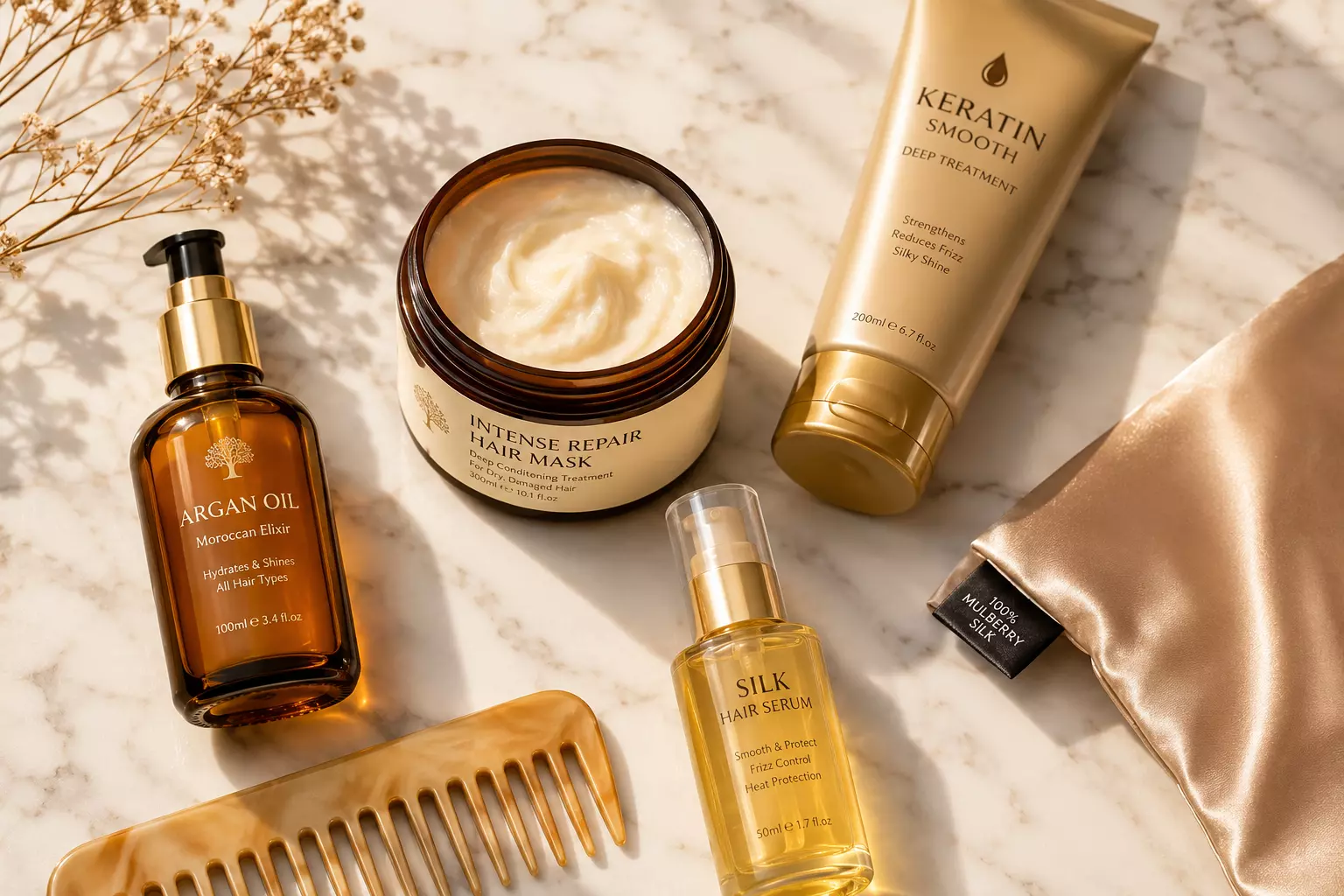
This is the fastest, most accessible fix. A silicone-based serum or natural oil (argan, jojoba, sweet almond) coats the hair shaft, temporarily binding split fibers together and adding a protective layer.
Best oils for split ends:
- Argan oil — lightweight, absorbs quickly, great for fine hair
- Coconut oil — penetrates the shaft deeply, ideal for coarse or thick hair
- Jojoba oil — closely mimics the scalp’s natural sebum
- Castor oil — thick and conditioning, best used sparingly on ends only
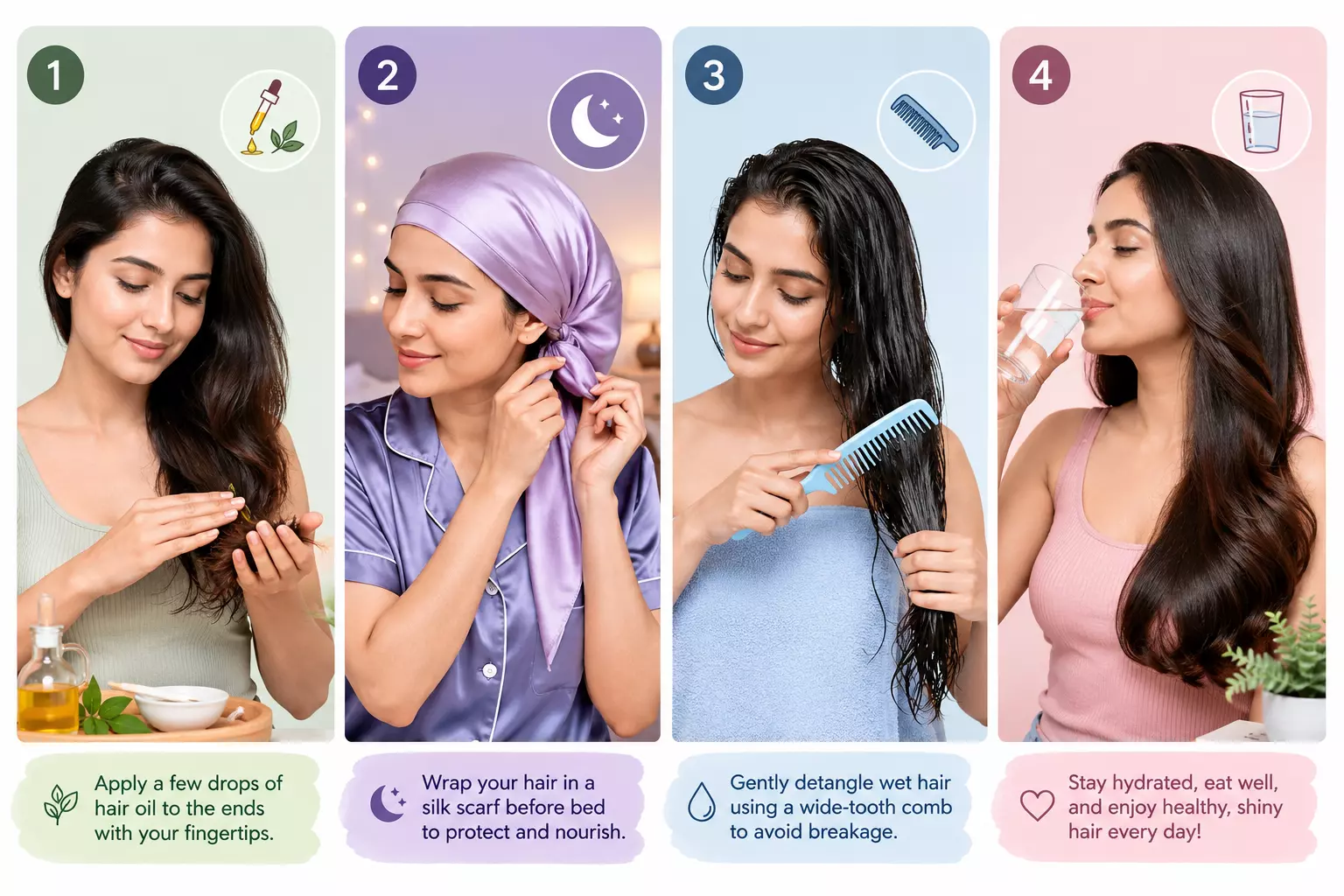
Apply a pea-sized amount to dry ends morning and night for best results.
4. 🌙 Switch to a Silk or Satin Pillowcase
This single change made a noticeable difference in my hair within weeks. Cotton pillowcases create friction as you move in your sleep, roughing up the cuticle and worsening split ends every single night.
Silk and satin alternatives:
- Silk pillowcase (higher cost, natural fiber, breathable)
- Satin pillowcase (more affordable, synthetic, still very effective)
- Silk bonnet or hair wrap (great for curly and textured hair)
5. ✂️ Try a “Dusting” Technique
Dusting is a micro-trimming technique where you remove only the very tips of split ends — sometimes just 1/8 of an inch — rather than a full cut. It’s a middle ground between no cut and a significant trim.
How to dust your ends at home:
- Divide dry hair into small sections
- Twist each section tightly
- Snip only the tiny hairs that stick out from the twist (these are your split ends)
- Use sharp hair scissors only — craft scissors will create new splits
⚠️ Important: Dusting is not a substitute for a real trim when damage is severe. It’s a maintenance tool, not a rescue operation.
Building a Routine That Prevents Split Ends From Forming
The most powerful answer to how to get rid of split ends without cutting your hair (and when you must) isn’t found in a single product — it’s found in a consistent, protective routine. Here’s how to build one.
Daily Habits That Make a Huge Difference
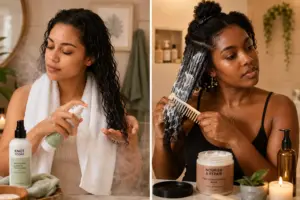
🪮 Use the right brush and technique:
- Always use a wide-tooth comb or a paddle brush with flexible bristles
- Start detangling from the ends up, not root to tip
- Never brush hair when it’s soaking wet — wait until it’s about 70% dry or use a detangling spray
🔥 Reduce heat styling:
- Aim to air-dry at least 3–4 days per week
- When you do use heat, apply a heat protectant spray to every section before styling
- Keep flat irons and curling wands at 350°F (175°C) or below for most hair types
💪 Strengthen from the inside out:
Hair is made primarily of a protein called keratin, and its health is directly tied to your nutrition.
| Nutrient | Food Sources | Hair Benefit |
|---|---|---|
| Biotin (Vitamin B7) | Eggs, almonds, sweet potato | Supports keratin production |
| Omega-3 fatty acids | Salmon, flaxseed, walnuts | Adds moisture and shine |
| Vitamin E | Avocado, sunflower seeds, spinach | Protects against oxidative stress |
| Iron | Red meat, lentils, dark leafy greens | Prevents hair fragility and breakage |
| Zinc | Pumpkin seeds, chickpeas, beef | Supports hair tissue growth and repair |
Weekly Rituals for Healthy Ends
- Sunday deep condition: Make it a ritual, not an afterthought
- Protective style 2–3 days per week: Braids, buns, and twists reduce friction and manipulation
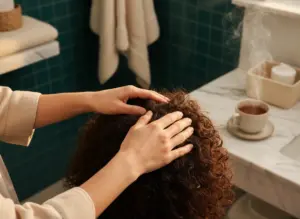
- Scalp massage with oil: Improves circulation and distributes natural oils toward the ends
Products That Actually Work (And What to Look For on Labels)
The beauty industry is full of products claiming to “repair” split ends. Most of them are offering temporary cosmetic improvement, not actual structural repair — and that’s okay, as long as you know what you’re buying.
Ingredients Worth Looking For 🔍
For moisture:
- Glycerin
- Aloe vera
- Hyaluronic acid
- Panthenol (Pro-Vitamin B5)
For protein and structure:
- Hydrolyzed keratin
- Hydrolyzed silk protein
- Hydrolyzed wheat protein
- Amino acids (arginine, cysteine)
For sealing and smoothing:
- Dimethicone (silicone — great for sealing, but use a clarifying shampoo monthly)
- Argan oil
- Baobab oil
- Squalane
Ingredients to Avoid ❌
- Sulfates (sodium lauryl sulfate) in shampoo — overly stripping
- Drying alcohols (isopropyl alcohol, SD alcohol) in styling products
- Formaldehyde-releasing preservatives in smoothing treatments
💡 Pro Tip: Rotate between a protein-rich treatment and a moisture-rich treatment each week. Hair that gets too much protein becomes stiff and brittle; hair that gets too much moisture becomes limp and weak. Balance is everything.
Before and After: What Consistent Care Actually Looks Like
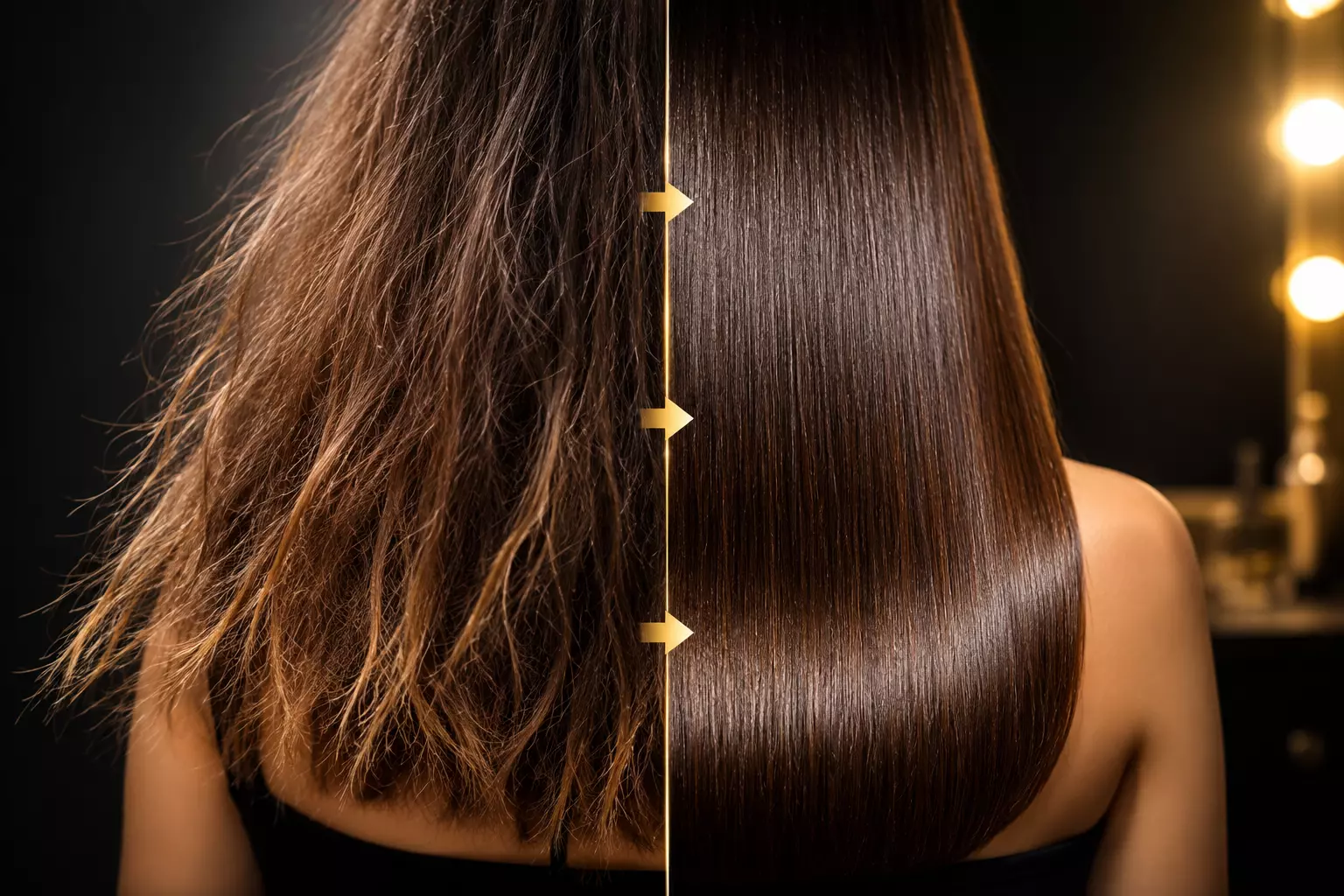
I want to be honest with you: the transformation isn’t instant. When I committed to a proper split-end management routine — bond treatments every three weeks, nightly argan oil on my ends, silk pillowcase, no heat Monday through Thursday — I noticed a real difference in about six to eight weeks.
My ends stopped feeling like straw. The frizz at the tips calmed down significantly. And when I did eventually get a trim (a small one, by choice), the stylist commented that my ends were in much better shape than she’d expected given how long I’d been growing my hair.
Here’s a realistic timeline:
| Week | What You Might Notice |
|---|---|
| 1–2 | Ends feel softer and more moisturized |
| 3–4 | Reduced frizz at the tips, improved shine |
| 6–8 | Noticeable improvement in overall hair texture |
| 3 months | Significantly healthier ends, slower split progression |
| 6 months | New growth is visibly stronger with consistent care |
When You Must Cut: Recognizing the Point of No Return
Here’s the part that no one wants to hear — but it’s essential to understanding how to get rid of split ends without cutting your hair (and when you must).
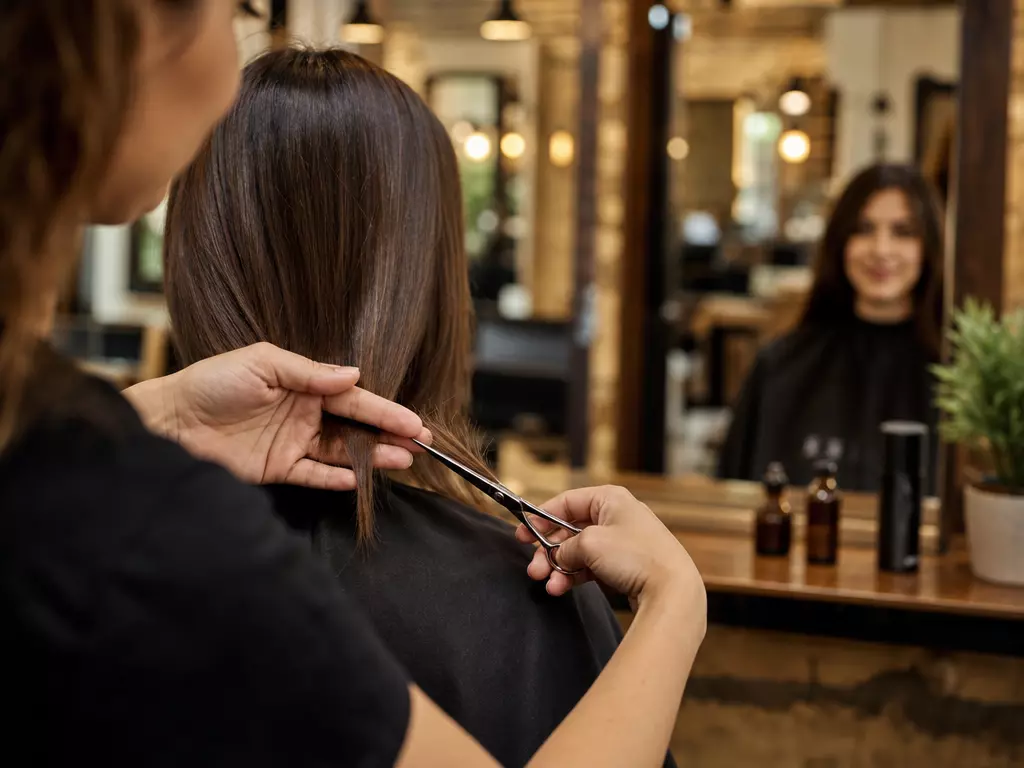
There are situations where a trim is not optional. It’s not a failure. It’s the smartest thing you can do for your hair’s long-term health.
Signs You Genuinely Need a Trim
🌳 Tree splits and feathering: When a single strand has split into three, four, or more branches, the damage is too extensive for any product to manage. These splits will continue traveling up the shaft.
📏 Splits traveling more than an inch up the shaft: Run your fingers up a strand. If you can feel the split more than an inch from the tip, you’re dealing with deep damage that will worsen and eventually cause breakage.
🧶 Constant tangling and matting: When ends are so damaged that they tangle around each other constantly, the friction is creating even more damage. A trim breaks the cycle.
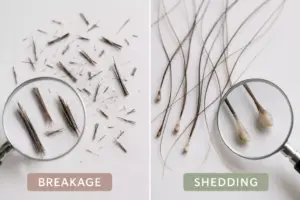
💔 Breakage mid-shaft: This isn’t a split end issue anymore — this is structural damage. A trim won’t fully solve it, but it removes the most compromised sections.
📅 It’s been more than 4–6 months: Even with perfect care, ends accumulate wear. A small trim every 3–4 months (even just 1/4 inch) maintains the integrity of your length.
How Much Should You Cut?
| Damage Level | Recommended Trim |
|---|---|
| Light (mostly tip splits) | 1/4 to 1/2 inch |
| Moderate (splits traveling up shaft) | 1/2 to 1 inch |
| Severe (tree splits, feathering, breakage) | 1–3 inches, possibly more |
💬 Ask your stylist: “Can you show me exactly where the damage ends before you cut?” A good stylist will do this. It ensures you’re not losing more length than necessary.
The Myth of “Trimming Makes Hair Grow Faster”
Let’s put this one to rest. Cutting your hair does not make it grow faster. Hair growth happens at the scalp — the follicle — not the ends. However, regular trims do prevent breakage, which means your hair retains more length over time. That’s the real benefit.
A Complete Split-End Prevention Checklist ✅
Use this as your weekly and monthly reference:
Daily:
- [ ] Apply oil or serum to ends
- [ ] Sleep on silk or satin
- [ ] Detangle gently from ends upward
- [ ] Avoid tight elastic hair ties
Weekly:
- [ ] Deep condition (focus on ends)
- [ ] Incorporate 2–3 protective style days
- [ ] Use a bond-repair or protein treatment every 2–4 weeks
Monthly:
- [ ] Clarify with a gentle clarifying shampoo
- [ ] Assess ends for new splits
- [ ] Consider a “dusting” if needed
Every 3–4 Months:
- [ ] Schedule a professional trim or dusting
- [ ] Evaluate your heat styling frequency
- [ ] Review your nutrition and hydration habits
Conclusion: The Smart Approach to Healthier Ends in 2026
Managing split ends without sacrificing your length is absolutely achievable — but it requires honesty, consistency, and the right knowledge. The strategies outlined in this guide for how to get rid of split ends without cutting your hair (and when you must) aren’t magic. They’re science-backed habits that work when you stick with them.
Your actionable next steps:
- Tonight: Apply a nourishing oil to your ends and switch to a silk pillowcase.
- This week: Do a deep conditioning treatment and assess your current heat styling habits.
- This month: Introduce a bond-repair treatment and start dusting if needed.
- This season: Book a professional trim if your ends show signs of severe damage — and don’t feel guilty about it.
The goal isn’t to never cut your hair. The goal is to make every cut count, keep your hair as healthy as possible between trims, and build a routine that gives your hair the best chance to thrive. Your ends are the oldest part of your hair — treat them like it. 💛