8 Different Perm Curls Types Explained: From Beach Waves to Spiral
Nearly 60% of people who visit a salon for a perm walk out with a style that doesn’t match what they asked for — not because the stylist made a mistake, but because the client didn’t know exactly which curl type to request. The world of perms is far more nuanced than most people realize. Understanding the 8 different perm curls types explained: from beach waves to spiral can be the difference between loving your hair for the next six months and regretting every mirror glance.
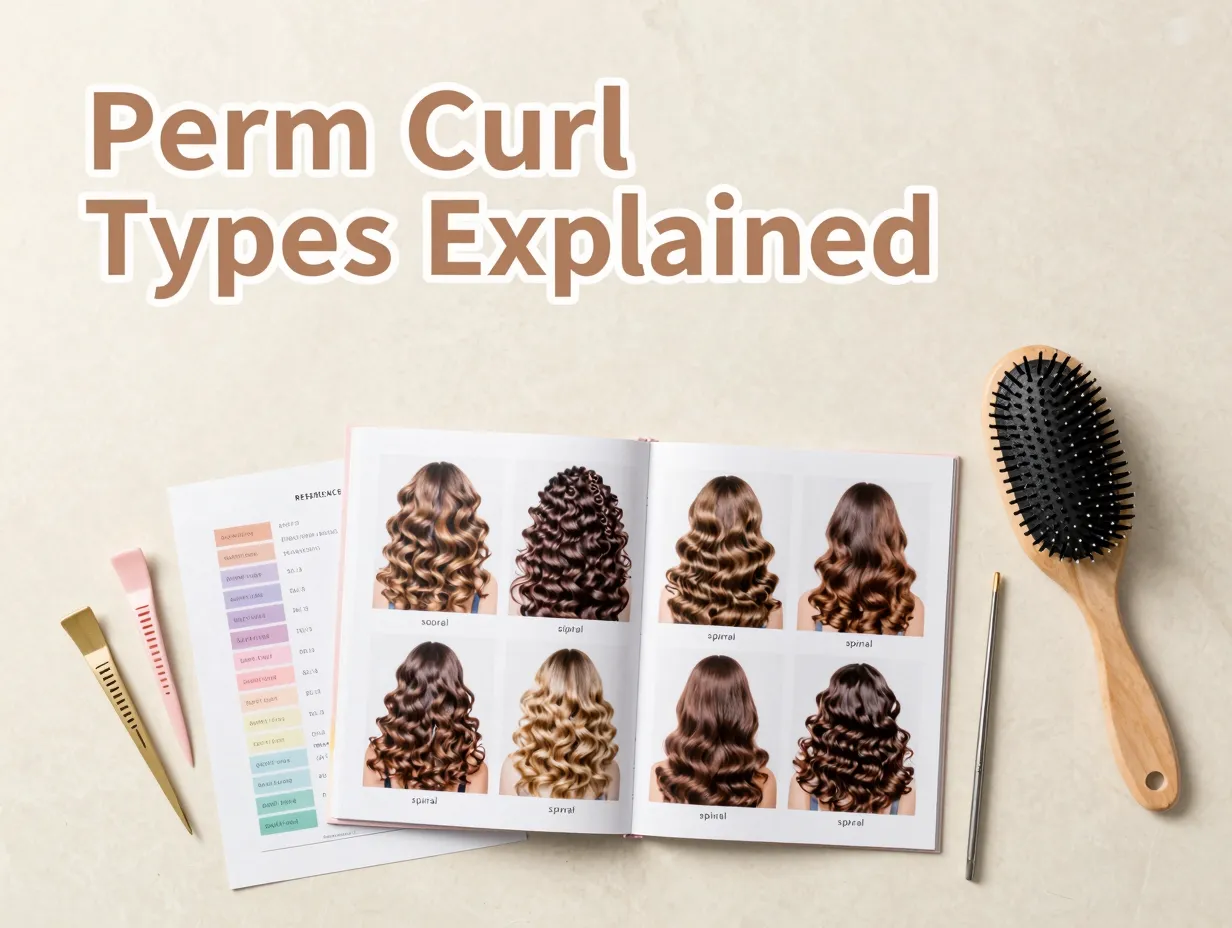
In this guide, I’ll break down each of the eight major perm curl types in plain language — what they look like, who they work best for, how long they last, and what the process actually involves. Whether you’re chasing effortless beachy texture or bold, defined ringlets, this complete breakdown of the 8 different perm curls types explained: from beach waves to spiral has you covered.
Key Takeaways 📌
- Not all perms are the same — curl tightness, rod size, application method, and chemical process vary significantly across types.
- Hair type and length matter — the best perm for you depends on your natural hair texture, thickness, and current length.
- Longevity ranges from weeks to 6 months — some perm types are gentler but shorter-lived; others are more intense but longer-lasting.
- Damage risk is real — perms use chemicals that can stress hair, so proper aftercare and professional application are non-negotiable.
- Knowing your options gives you the power to walk into any salon in 2026 and communicate exactly what you want.
Understanding the Full Spectrum: 8 Different Perm Curls Types Explained: From Beach Waves to Spiral
Before diving into each type, it helps to understand what a perm actually does. A permanent wave — or perm — uses chemicals (and sometimes heat) to break the natural bonds inside each hair strand and reform them around a rod or curler. The size of the rod, the direction of wrapping, and the method used all determine the final curl pattern.
Here’s a quick-reference table to orient you before we go deep:
| Perm Type | Curl Tightness | Best Hair Length | Typical Duration |
|---|---|---|---|
| Beach Wave | Loose | Medium–Long | 3–5 months |
| Body Wave | Soft/Loose | Medium–Long | 3–6 months |
| Digital Perm | Wavy–Curly | Short–Long | 4–6 months |
| Spiral Perm | Tight/Ringlet | Shoulder–Long | 4–6 months |
| Pin Curl Perm | Tight/Bouncy | Short–Medium | Weeks–Months |
| Multi-Textured | Varied | Any | 3–6 months |
| Root Perm | Volume Only | Any | 2–4 months |
| Cold Wave | Customizable | Any | 3–6 months |
Now let’s get into each one. 👇
1. Beach Wave Perm
Best for: Straight to wavy hair, medium to long lengths
Vibe: Effortless, sun-kissed, tousled
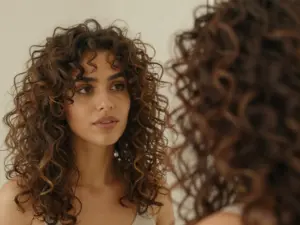
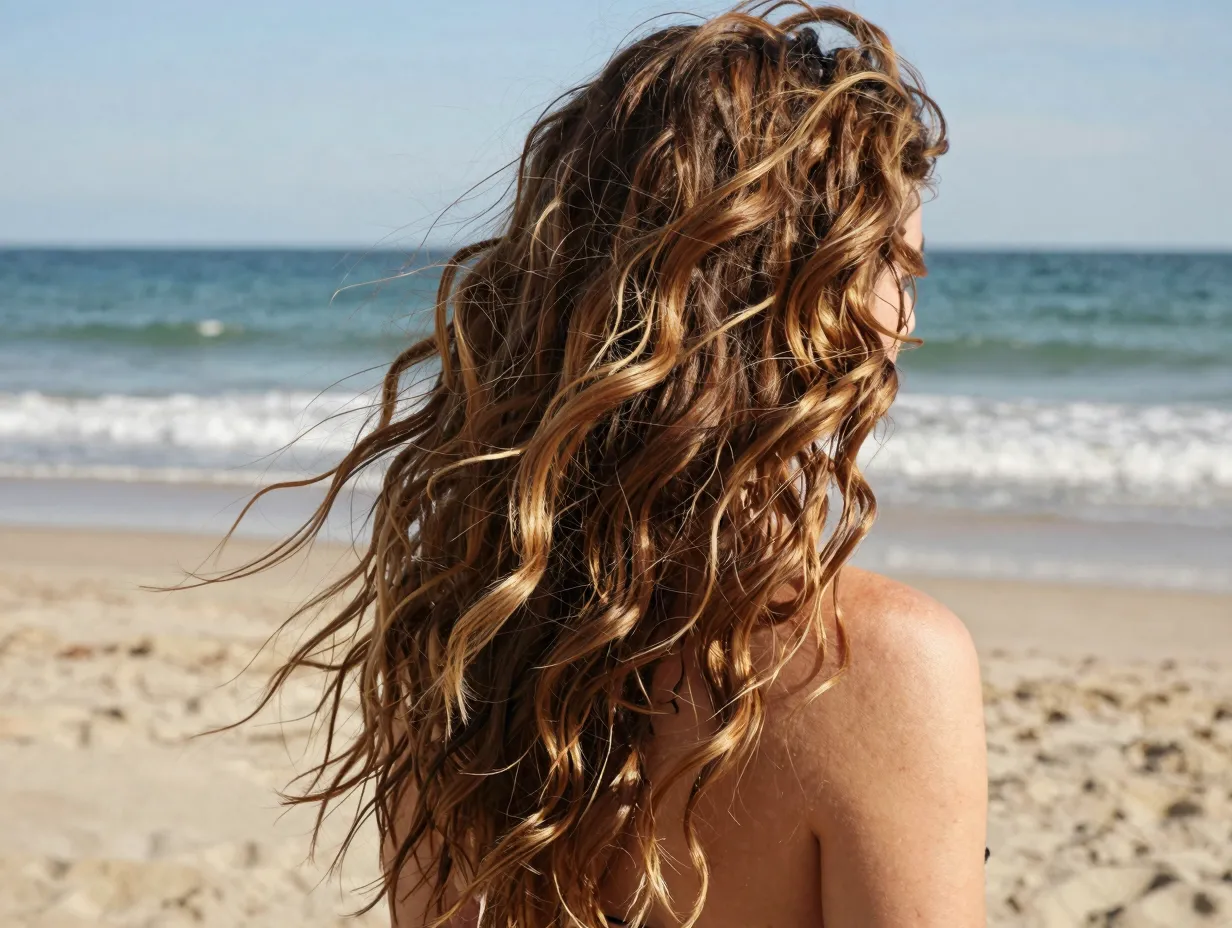
The beach wave perm is the most requested perm style in 2026 — and for good reason. It creates loose, soft waves that mimic the texture you’d get after a day at the ocean, without the salt damage. This style uses a warm method technique, meaning mild heat is applied during the process to help set the wave pattern [1].
What makes the beach wave perm stand out is its natural-looking result. The waves are voluminous but not stiff, giving hair movement and body rather than defined curls. Large-diameter rods are used to keep the wave pattern relaxed and wide.
Who should get it:
- People with naturally straight or slightly wavy hair who want low-maintenance texture
- Anyone who loves the “I woke up like this” aesthetic
- Those with medium to long hair who want volume without tightness [1][2]
💬 “The beach wave perm is the gateway perm — it’s approachable, flattering on almost everyone, and incredibly wearable for everyday life.”
Aftercare tip: Use a sulfate-free shampoo and a curl-enhancing cream to maintain the wave pattern between washes.
2. Body Wave Perm
Best for: Straight or thin hair, medium to long lengths
Vibe: Soft, full, elegant
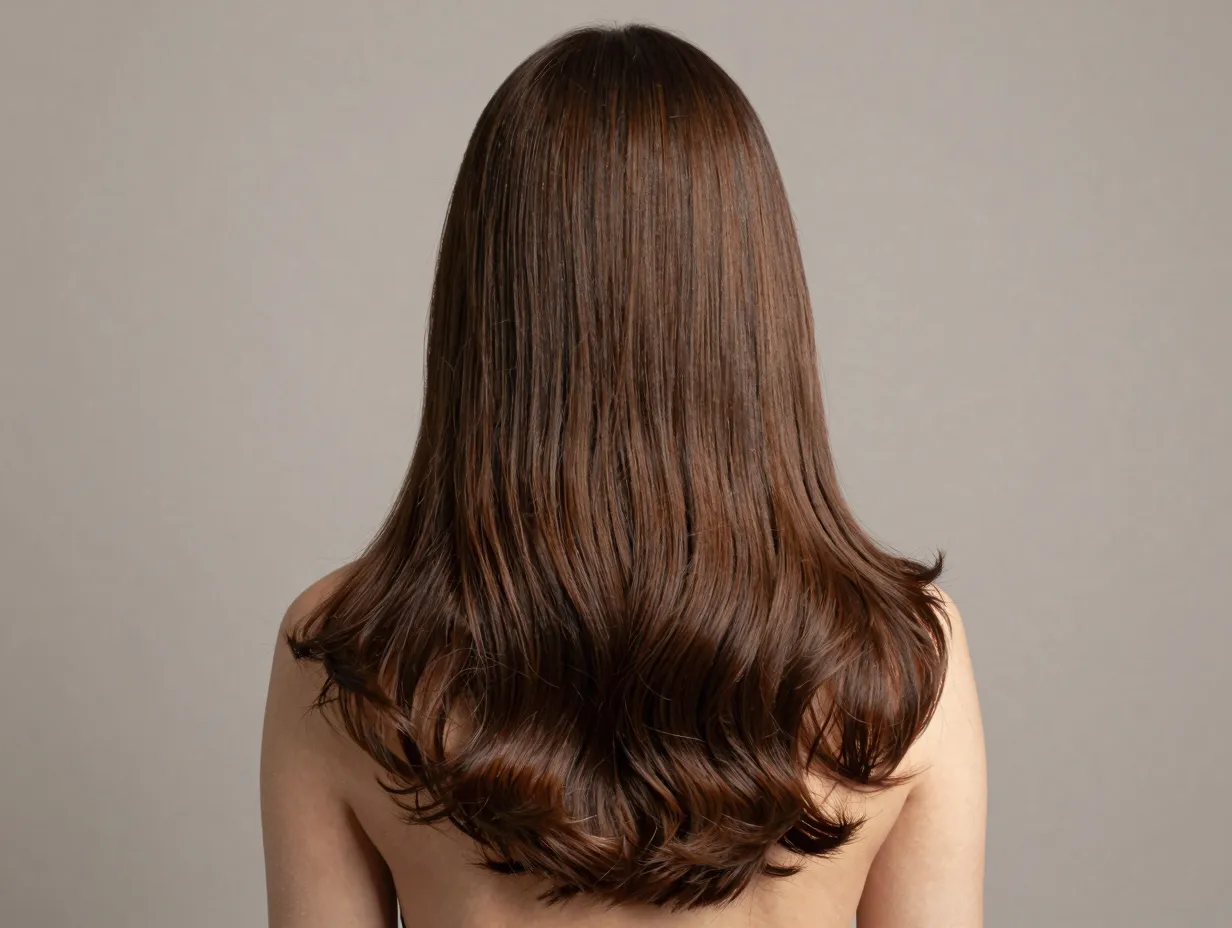
The body wave perm is the gentler cousin of the beach wave. While both produce loose waves, the body wave focuses specifically on adding volume and movement to hair that is flat, fine, or lacking texture. It’s designed for people who want their hair to look fuller without committing to defined curls [1][6].
Large rollers are used throughout the hair to create broad, sweeping waves that add body from root to tip. The result is hair that looks naturally thick and healthy — not permed in the traditional sense.
Key differences from beach wave:
- Body wave = more focused on volume and lift
- Beach wave = more focused on texture and tousled movement
- Body wave tends to be slightly softer in wave definition [6]
Who should get it:
- People with thin or fine hair who want more body
- Those who want a subtle transformation, not a dramatic curl change
- Anyone looking for a low-maintenance style that still looks polished
Longevity: Expect the results to last 3 to 6 months with proper care.
3. Digital Perm
Best for: Straight to thin hair, short to long lengths
Vibe: Smooth, glossy, defined waves
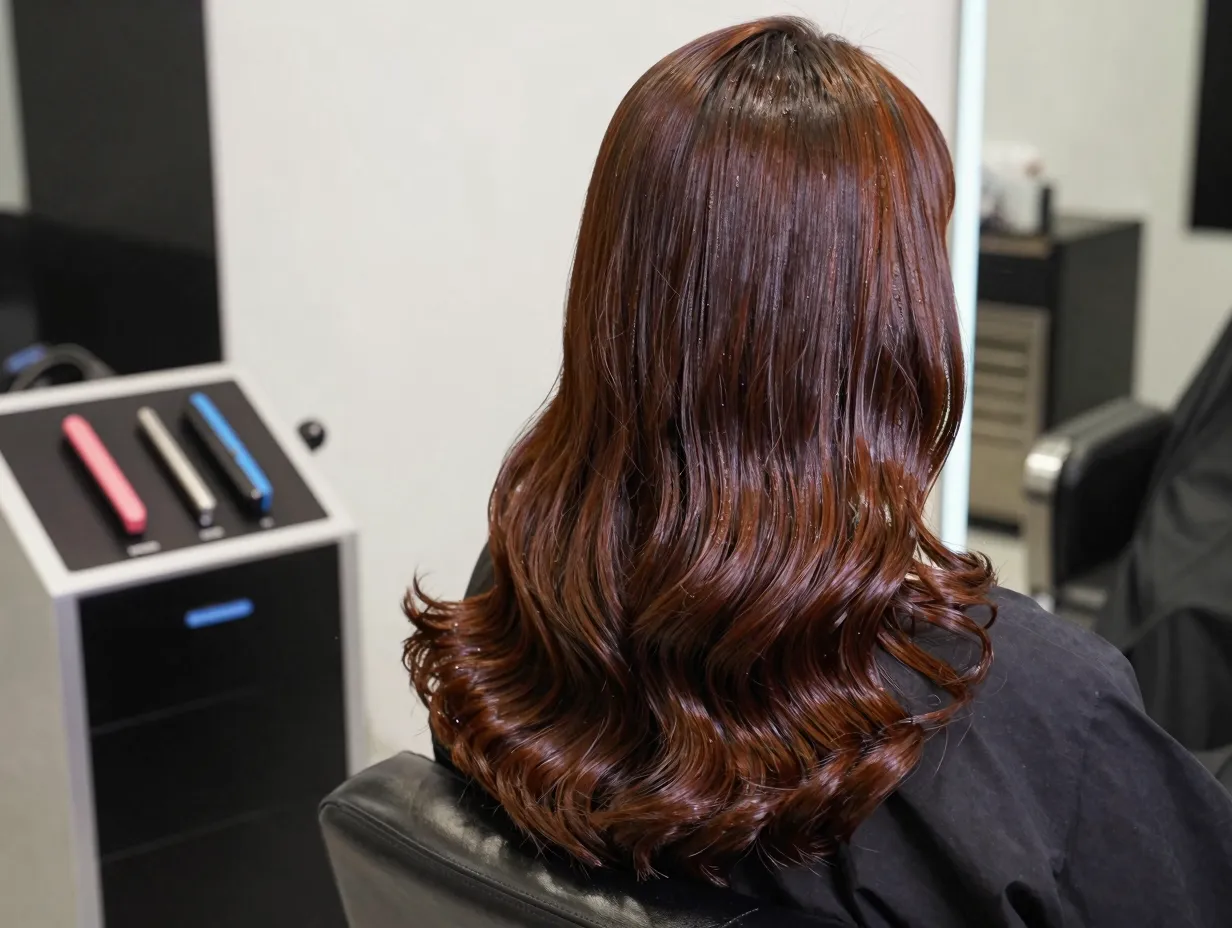
The digital perm is a modern, technology-driven approach to perming that uses computer-controlled heated rods to set the curl pattern. Unlike traditional cold perms, the digital perm applies heat during the waving process, which creates waves and curls with a smooth, shiny texture rather than a frizzy or coarse finish [5].
One of the biggest advantages of the digital perm is its longevity — results can last 4 to 6 months, making it one of the more durable options on this list [5]. It’s also particularly popular for creating waves that look natural when hair is dry, whereas many traditional perms look best when wet.
The process:
- Hair is washed and prepped with a softening solution
- Heated digital rods are attached to sections of hair
- A neutralizing solution sets the new bond structure
- Rods are removed and hair is styled
Ideal candidate: Someone with straight, resistant hair who wants defined, long-lasting waves with a sleek finish.
⚠️ Note: The digital perm is typically more expensive than traditional methods due to the specialized equipment involved.
4. Spiral Perm
Best for: Shoulder-length or longer hair
Vibe: Bold, dramatic, full ringlets
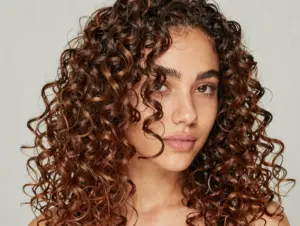
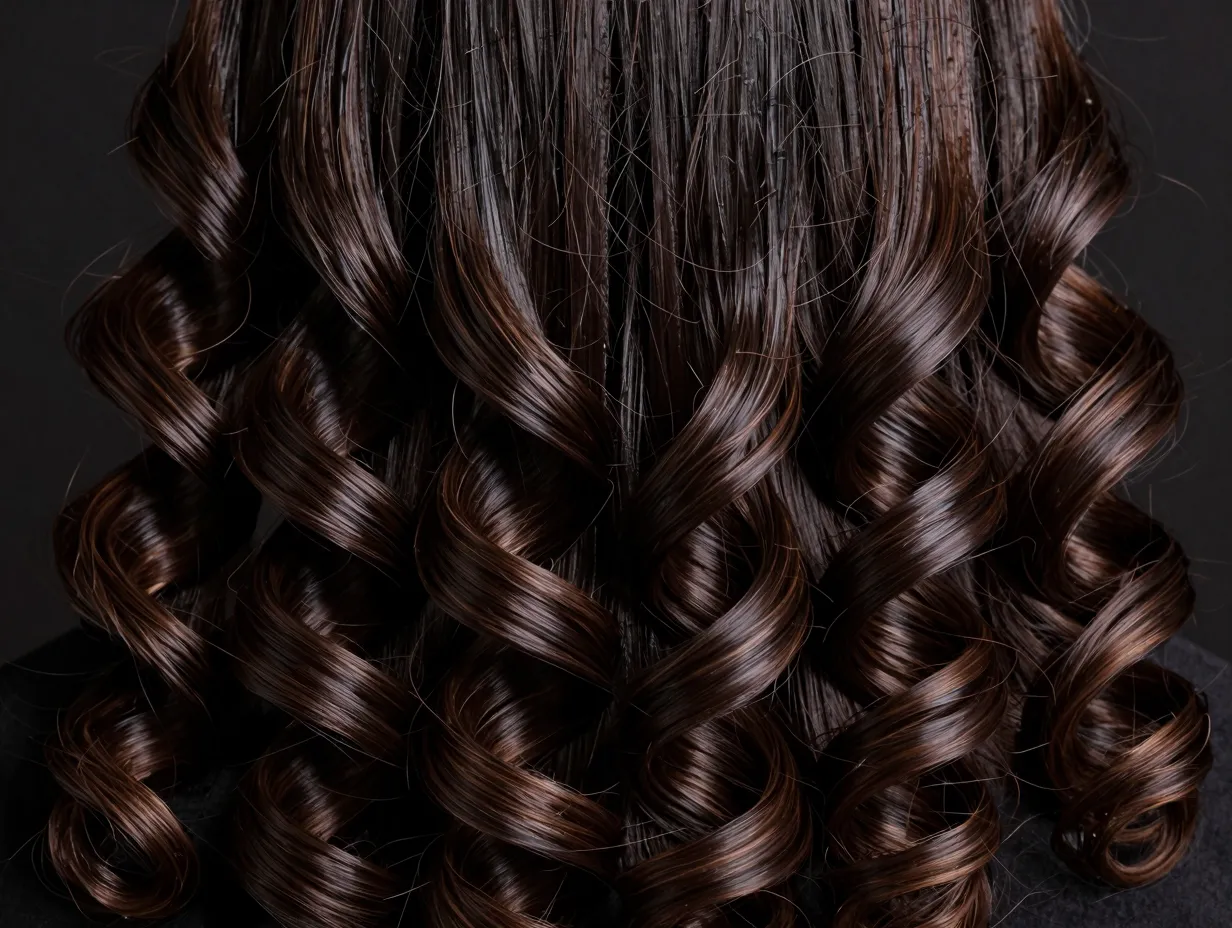
If you want maximum curl definition, the spiral perm delivers. This technique wraps hair vertically around long, narrow rods from scalp to tip, creating tight corkscrew or ringlet curls that are unmistakably bold [4][5].
The spiral perm is one of the most time-intensive options on this list — it typically takes 2 to 3 hours to complete — but the results are equally dramatic and long-lasting, with curls lasting 4 to 6 months [4][5].
What makes it unique:
- Vertical rod wrapping (vs. horizontal in most other perm types)
- Creates true ringlets, not just waves
- Adds significant volume, especially in the mid-lengths and ends
- Works best on shoulder-length or longer hair to allow full rod wrapping [4]
💬 “The spiral perm is a commitment — but for those who want defined, bouncy ringlets, there’s simply no better option.”
Who should avoid it:
- People with very short hair (not enough length for vertical rod wrapping)
- Those with severely damaged or over-processed hair
- Anyone who prefers low-maintenance styling
Maintenance: Spiral curls need moisture-rich products — think curl creams, leave-in conditioners, and regular deep conditioning treatments.
5. Pin Curl Perm
Best for: Short to medium hair lengths
Vibe: Tight, bouncy, vintage-inspired
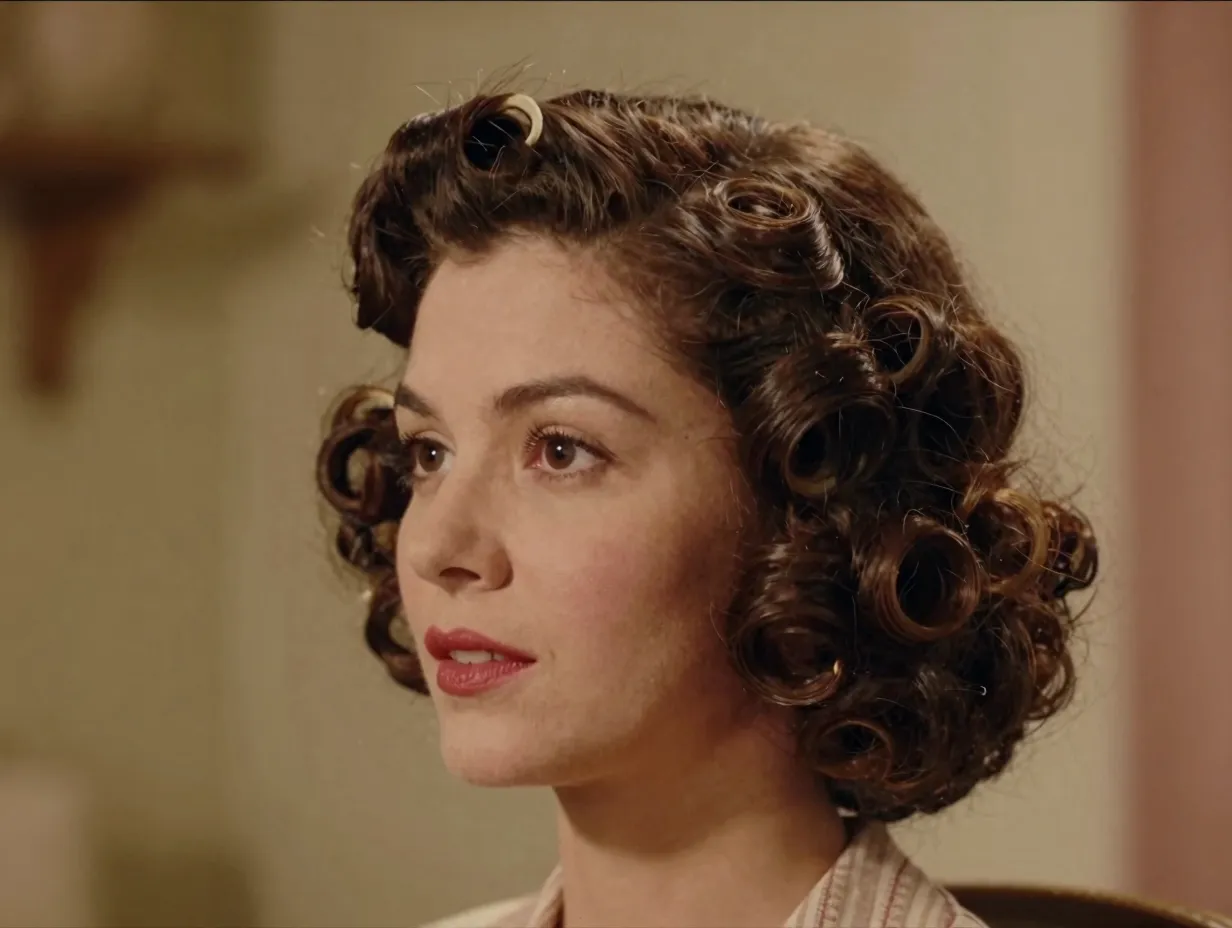
The pin curl perm uses pins and small curlers rather than traditional rods to create tight, bouncy curls. This method is particularly well-suited for shorter hair lengths where standard rods may be difficult to use effectively [1][5].
One notable advantage of the pin curl perm is that it can be done as a non-chemical method — using heat and setting rather than chemical bonds — making it a gentler option for hair that may already be stressed or processed [1]. However, this gentler approach comes with a trade-off: the results are less long-lasting than chemical perms.
Pin curl perm at a glance:
- ✅ Great for short hair
- ✅ Gentler on hair when done without chemicals
- ✅ Creates tight, defined curls with a retro feel
- ❌ Less durable than chemical perm methods
- ❌ May require more frequent touch-ups [5]
Styling tip: Scrunch hair with a curl-defining mousse while still damp to enhance the bounce and definition of pin curls.
Choosing the Right Method: The Remaining Types in the 8 Different Perm Curls Types Explained: From Beach Waves to Spiral
The first five types cover the most popular and widely requested perm styles. The final three are more specialized — each serving a specific need, whether that’s customized texture, targeted volume, or a classic chemical approach.
6. Multi-Textured Perm
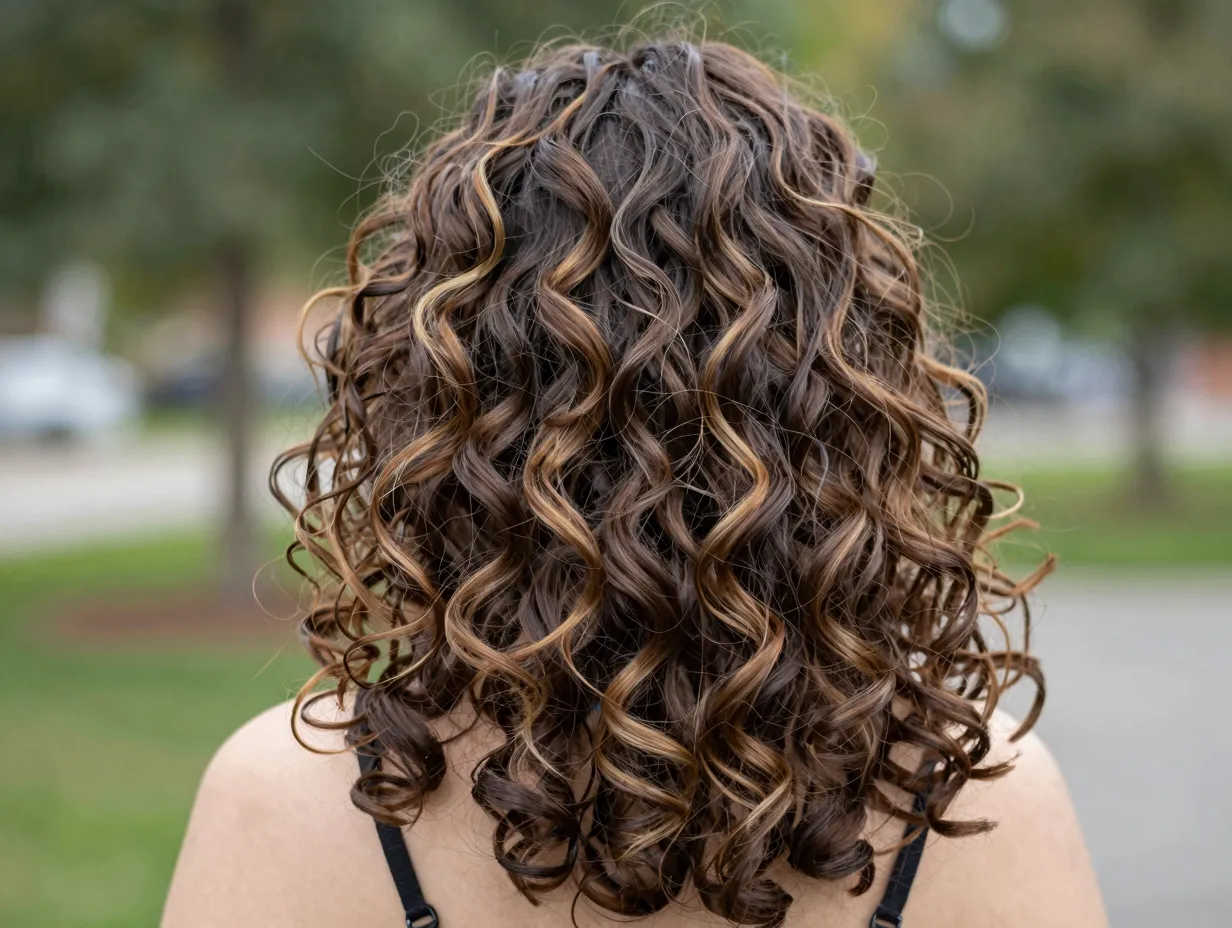
Best for: Any hair length, those wanting natural-looking curl variety
Vibe: Effortlessly natural, dimensional, lived-in
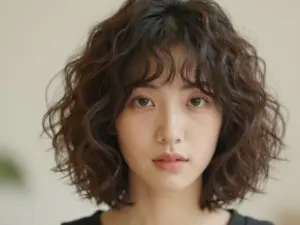
The multi-textured perm is one of the most sophisticated options available because it mimics the natural diversity of curly hair. Instead of using rods of a single size, this technique combines large and small rollers throughout the hair to create curls of varied tightness — some looser, some tighter — all in the same head of hair [2][3].
The result looks like naturally curly hair rather than a uniform, salon-set perm. This dimensional quality is what makes the multi-textured perm increasingly popular in 2026.
Why it works:
- Natural curly hair is never perfectly uniform — it has variation in pattern and size
- Mixing roller sizes replicates that natural variation
- The result is more believable and wearable than a single-texture perm
Longevity: Approximately 3 to 6 months with proper care [2][3].
Best candidates: People who want curly hair that doesn’t look “done,” those transitioning from chemically straightened hair, and anyone who wants maximum styling versatility.
7. Root Perm
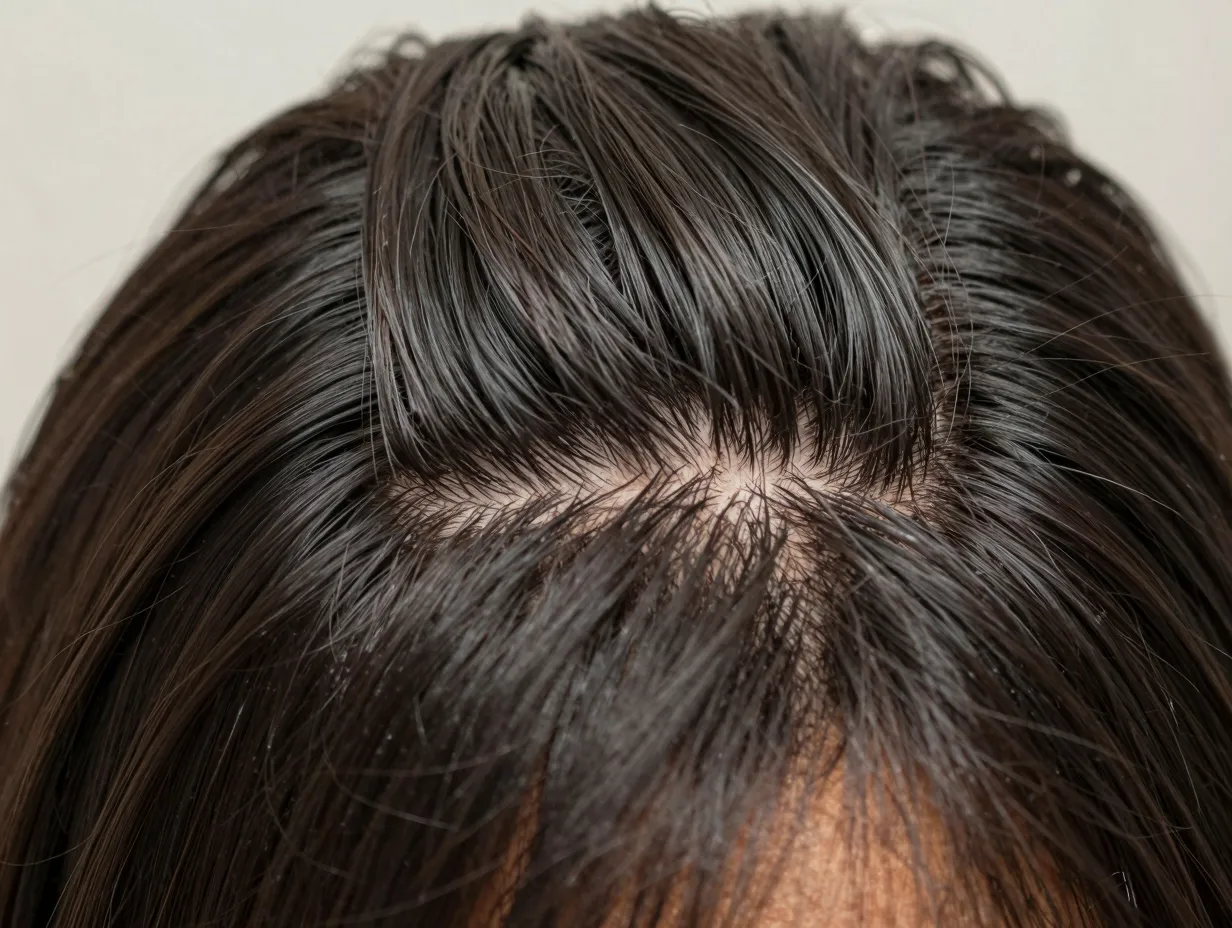
Best for: Any hair length, especially those with existing perms
Vibe: Lifted, voluminous at the roots, refreshed
The root perm is a targeted, precision technique that focuses exclusively on the first 2 to 4 inches of hair from the root [3][4]. Rather than perming the entire length of hair, this method uses the cold method to add lift and volume specifically at the scalp area.
This makes the root perm ideal for two specific situations:
- Adding volume to hair that is flat or limp at the roots despite having texture or curl at the ends
- Touching up existing perms where the root area has grown out and lost its lift [3][4]
💬 “Think of the root perm as a targeted refresh — it’s not about changing your curl pattern, it’s about restoring the lift and body that makes your style look full and intentional.”
Key facts:
- Uses cold method (room temperature chemicals)
- Only applied to the root zone — not the lengths or ends
- Excellent for maintaining volume between full perm appointments
- Less damaging to the ends since those sections are not re-processed [4]
Who benefits most: People with fine hair that goes flat at the roots, and those with existing perms needing a volume refresh without a full re-perm.
8. Cold Wave Perm
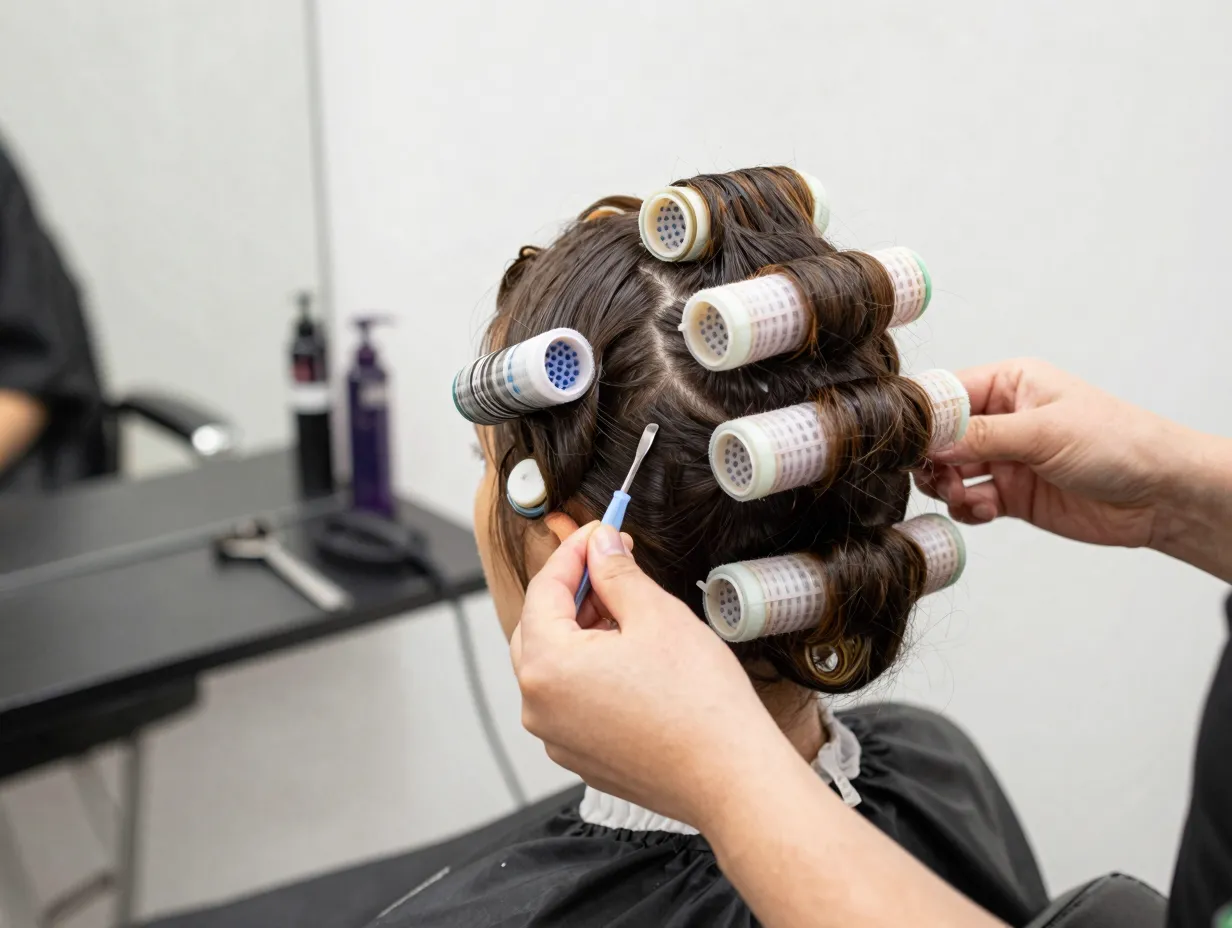
Best for: Various hair types, classic curl results
Vibe: Classic, reliable, customizable
The cold wave perm is the original perm technique — the foundation from which all modern perm methods evolved. It uses chemicals applied at room temperature (no heat required) to break and then reform the natural bonds inside each hair strand [4].
Despite being the oldest method, the cold wave perm remains one of the most versatile because the rod size and placement can be fully customized to create anything from loose waves to tighter curls.
Process overview:
- Hair is wrapped around rods of chosen size
- A waving lotion (ammonium thioglycolate) is applied at room temperature
- Hair processes for a set time (monitored carefully)
- A neutralizing solution reforms and locks in the new bond structure
- Rods are removed and hair is rinsed
Duration: The process typically takes 2 to 3 hours and results last 3 to 6 months [4].
Important consideration: The cold wave perm can be harsh on already-damaged or over-processed hair because the chemicals are strong. Pre-perm conditioning treatments and a professional consultation are strongly recommended [4].
| Cold Wave Pros | Cold Wave Cons |
|---|---|
| Versatile curl customization | Can be harsh on damaged hair |
| No heat equipment needed | Requires precise timing |
| Widely available at most salons | Chemical smell during process |
| Reliable, proven results | Needs strong aftercare routine |
How to Choose the Right Perm Type for Your Hair
With all 8 different perm curls types explained: from beach waves to spiral, the next step is matching the right type to your specific hair situation. Here’s a simple decision framework:
Step 1 — Assess your hair type:
- Fine/thin hair → Body wave, root perm, or digital perm
- Thick/coarse hair → Spiral perm or cold wave
- Already wavy → Beach wave or multi-textured perm
Step 2 — Consider your hair length:
- Short → Pin curl perm
- Medium → Body wave, beach wave, or digital perm
- Long → Spiral perm, multi-textured, or beach wave
Step 3 — Define your goal:
- More volume → Body wave or root perm
- Defined ringlets → Spiral perm
- Natural-looking texture → Multi-textured or beach wave
- Long-lasting results → Digital perm or spiral perm
- Classic approach → Cold wave perm
Step 4 — Evaluate your hair health:
- Healthy, virgin hair → Any type
- Color-treated or processed → Stick to gentler options (pin curl, body wave, digital perm)
- Damaged or brittle → Consult a professional before any chemical perm
Perm Aftercare: What Every Type Needs 🧴
Regardless of which perm type you choose, aftercare is non-negotiable. Here are the universal rules:
- Wait 48 hours before washing your hair after a perm — this allows bonds to fully set
- Use sulfate-free shampoo to prevent stripping the curl pattern
- Deep condition weekly to restore moisture lost during the chemical process
- Avoid heat styling as much as possible — your curl is already set; heat can distort it
- Scrunch, don’t brush — brushing breaks up curl clumps and causes frizz
- Trim regularly — permed ends can become dry and split; trims keep the style looking fresh
Conclusion: Your Curl Journey Starts With Knowledge
Understanding the 8 different perm curls types explained: from beach waves to spiral is the most powerful tool you can bring to your next salon appointment. Each type — from the effortless beach wave to the dramatic spiral perm, from the volume-boosting root perm to the technologically advanced digital perm — serves a distinct purpose and works best on specific hair types and lengths.
Your actionable next steps for 2026:
- Identify your hair type and length using the framework above
- Decide on your goal — volume, texture, curl definition, or a combination
- Book a consultation (not just an appointment) with a licensed stylist who specializes in perms
- Show reference photos of the specific curl type you want — visual communication eliminates guesswork
- Ask about a strand test before committing to a full perm, especially if your hair is color-treated
- Plan your aftercare routine before you sit in the chair — have the right products ready at home
The right perm can genuinely transform not just your hair, but your entire morning routine. When you know what you want and why it works for your hair, you walk out of the salon with confidence — and curls you’ll actually love. 💁♀️
References
[1] Ultimate Guide To Different Types Of Perms – https://www.verbproducts.com/blogs/verb-word/ultimate-guide-to-different-types-of-perms
[2] Types Of Perms – https://www.styleseat.com/blog/types-of-perms/
[3] Types Of Perms – https://www.vocehaircare.com/blogs/voce-blog/types-of-perms
[4] Your Ultimate Guide To Perms – https://www.rush.co.uk/blog/your-ultimate-guide-to-perms/73543
[5] Ultimate Guide To Different Types Of Perms – https://hairkuts.com/ultimate-guide-to-different-types-of-perms/
[6] Embrace The Curls Everything You Need To Know About Getting A Perm – https://www.pratpartners.com/blog/embrace-the-curls-everything-you-need-to-know-about-getting-a-perm/