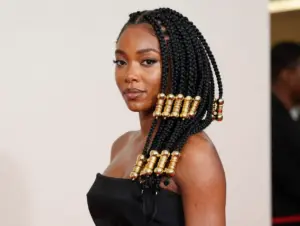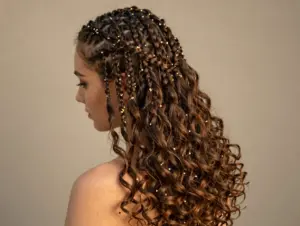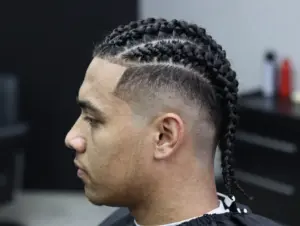
8 Different Cornrow Styles to Break Out of Your Braid Routine
Cornrows have been documented in African art dating back over 3,000 years — yet most people today still only know one version: straight lines running from forehead to nape. That single style barely scratches the surface of what this ancient protective technique can do. If you are ready to move beyond the basics, these 8 different cornrow styles to break out of your braid routine will completely change how you think about braiding.
Whether you are looking for a low-maintenance protective style, a head-turning statement look, or something rooted in cultural tradition, there is a cornrow variation made for you. Let’s dig in. 💆🏾♀️
Key Takeaways
- 🧵 Cornrows are far more versatile than the classic straight-back style most people default to.
- 🌍 Many of these styles — like Fulani and Koroba braids — carry deep West African cultural heritage.
- ✨ Styles like butterfly braids and zig-zag cornrows allow for personalization through color, beads, and texture.
- 💪 All eight styles function as protective styles that reduce daily manipulation and support hair health.
- 🗓️ In 2026, geometric and sculptural braid patterns like stitch braids and Ghana braids are dominating trending style lists.
Why Your Braid Routine Deserves a Refresh
Most of us fall into a comfort zone with our hair. We find one style that works, book the same appointment, and repeat. There is nothing wrong with that — but it does mean we miss out on the incredible range of looks that cornrow techniques can produce.
Cornrows are one of the most adaptable hairstyles in existence. The base technique — braiding hair flat against the scalp in a continuous, underhand motion — stays the same. What changes is the direction, pattern, size, tension, and added materials. Those variables alone can produce dozens of completely different looks.
Beyond aesthetics, switching up your cornrow style also benefits your scalp. Wearing the same tight pattern repeatedly in the same direction can cause tension in the same spots over time. Rotating between styles like curved cornrows, loose butterfly braids, and scalp-friendly Koroba braids distributes that tension more evenly. [3]
💬 “The best protective style is the one you actually enjoy wearing — because you are more likely to care for it properly.”
Here is a quick comparison of the eight styles covered in this article before we dive into each one:
| Style | Best For | Difficulty Level | Cultural Origin |
|---|---|---|---|
| Zig-Zag Cornrows | Visual interest, beads | Intermediate | Pan-African |
| Ghana Braids | Bold, structured look | Intermediate–Advanced | Ghana, West Africa |
| Curved Cornrows | Sleek, modern elegance | Intermediate | Pan-African |
| Stitch Braids | Geometric precision | Advanced | Contemporary |
| Butterfly Braids | Volume, glam | Intermediate | Contemporary |
| Koroba Braids | Scalp health, 3D effect | Advanced | Nigeria, West Africa |
| Gypsy Braids | Intricate, detailed | Advanced | Contemporary |
| Fulani Braids | Cultural expression | Intermediate | Fulani people, West Africa |
The 8 Different Cornrow Styles to Break Out of Your Braid Routine
1. 🌀 Zig-Zag Cornrows
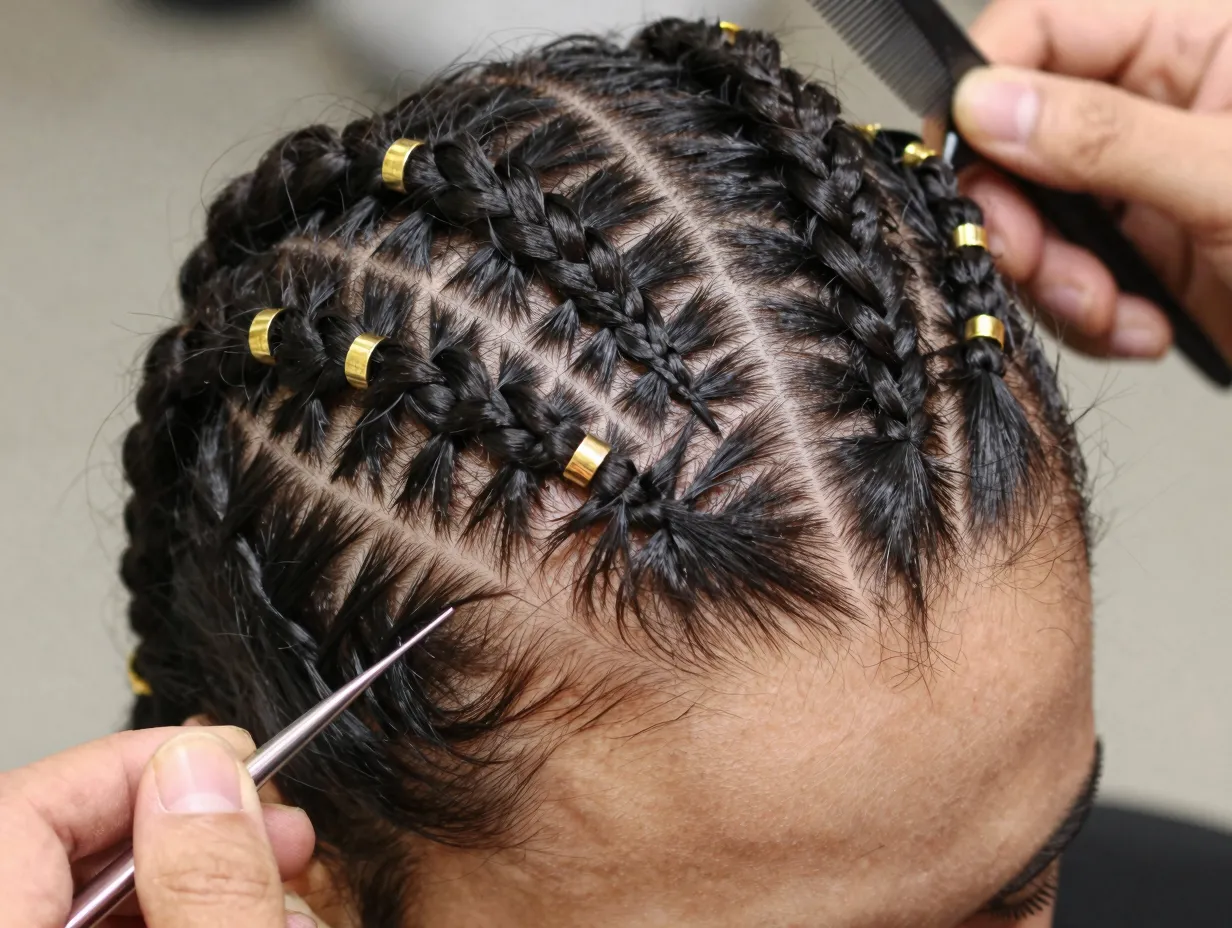
If straight-back cornrows feel too predictable, zig-zag cornrows are the most natural next step. Instead of running in a straight line from the hairline to the nape, the parts are cut in a snake-like, angular pattern that creates a striking visual effect even before a single braid is laid.
The beauty of zig-zag cornrows is that the complexity is built into the parting itself. Once the sections are mapped out, the braiding technique is the same as any other cornrow. The result, however, looks dramatically more intricate and intentional. [1]
Why choose zig-zag cornrows?
- They keep protective styling visually interesting without requiring extra length or extensions
- The angled parts catch the light differently, giving the style dimension
- They pair exceptionally well with beads and gold cuffs at the ends [2]
- Great for people who want to stand out without committing to a completely new technique
Pro tip: Ask your braider to alternate the direction of the zig-zag on each row for an even more dynamic look. You can also use two contrasting bead colors — one per row — to emphasize the pattern. 🪙
2. 🇬🇭 Ghana Braids
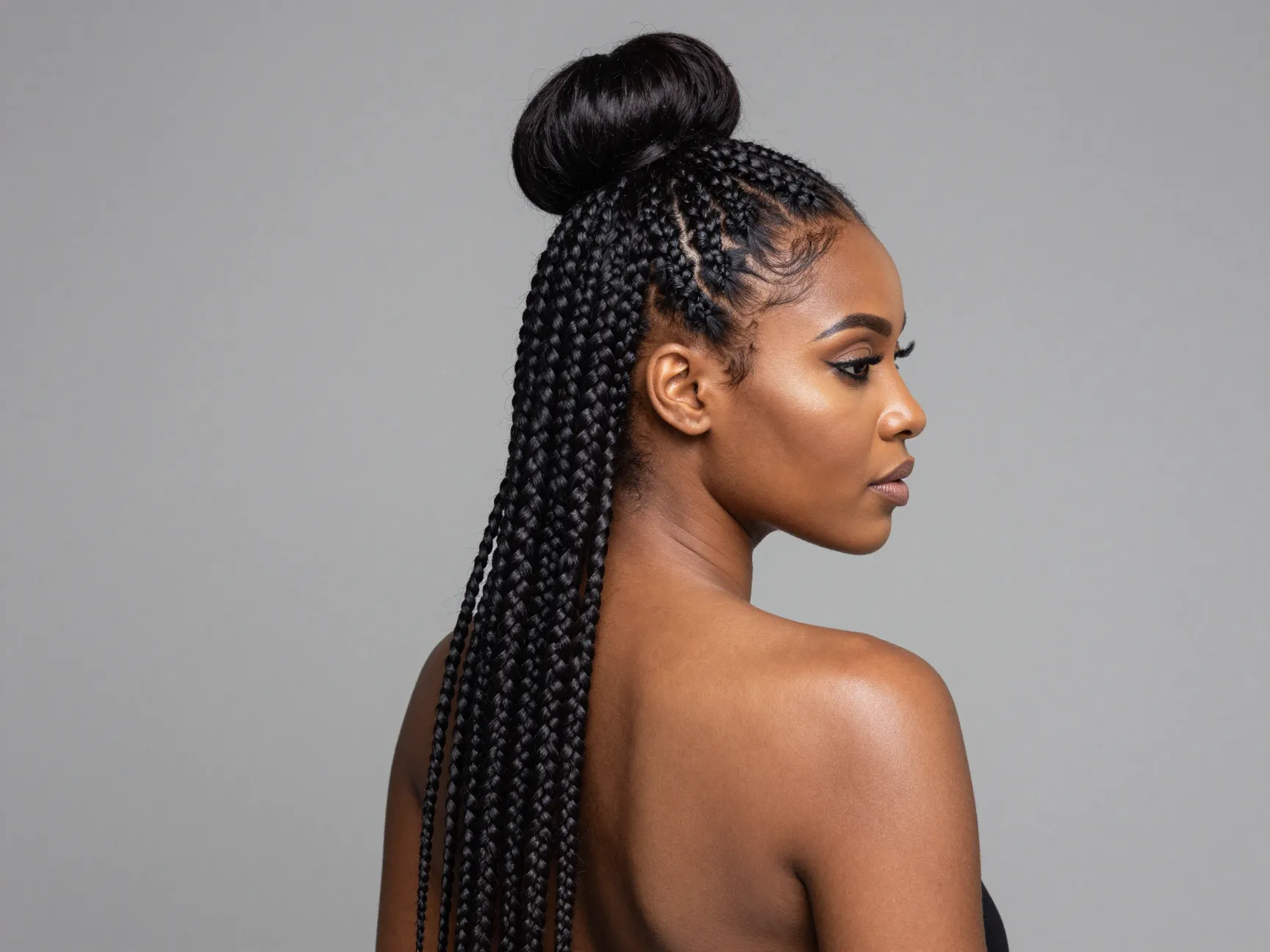
Ghana braids — sometimes called banana braids or Cherokee braids — are among the most popular African hairstyles in contemporary braid culture. [1] They are characterized by their feed-in technique, where extensions are gradually added to create a braid that starts very thin at the hairline and gradually thickens as it travels across the scalp.
This feed-in approach creates a natural-looking, seamless start that avoids the blunt, bulky base you sometimes see with other extension styles. The result is a polished, structured braid that looks intentional from every angle.
Popular ways to wear Ghana braids:
- Straight back in thick, bold rows that make a powerful statement
- Styled into a high bun for a more refined, upswept look [1]
- Curved or swooped toward one side for an asymmetrical effect
- Jumbo size for a bold, high-fashion editorial look
Ghana braids are a strong choice if you want a style that photographs beautifully and holds up well for several weeks. They have been a major trend and continue to dominate braid style lists heading into 2026. [4]
💬 “Ghana braids are the style that converts people who thought they didn’t like braids. The feed-in technique just looks so clean.”
3. 〰️ Curved Cornrows
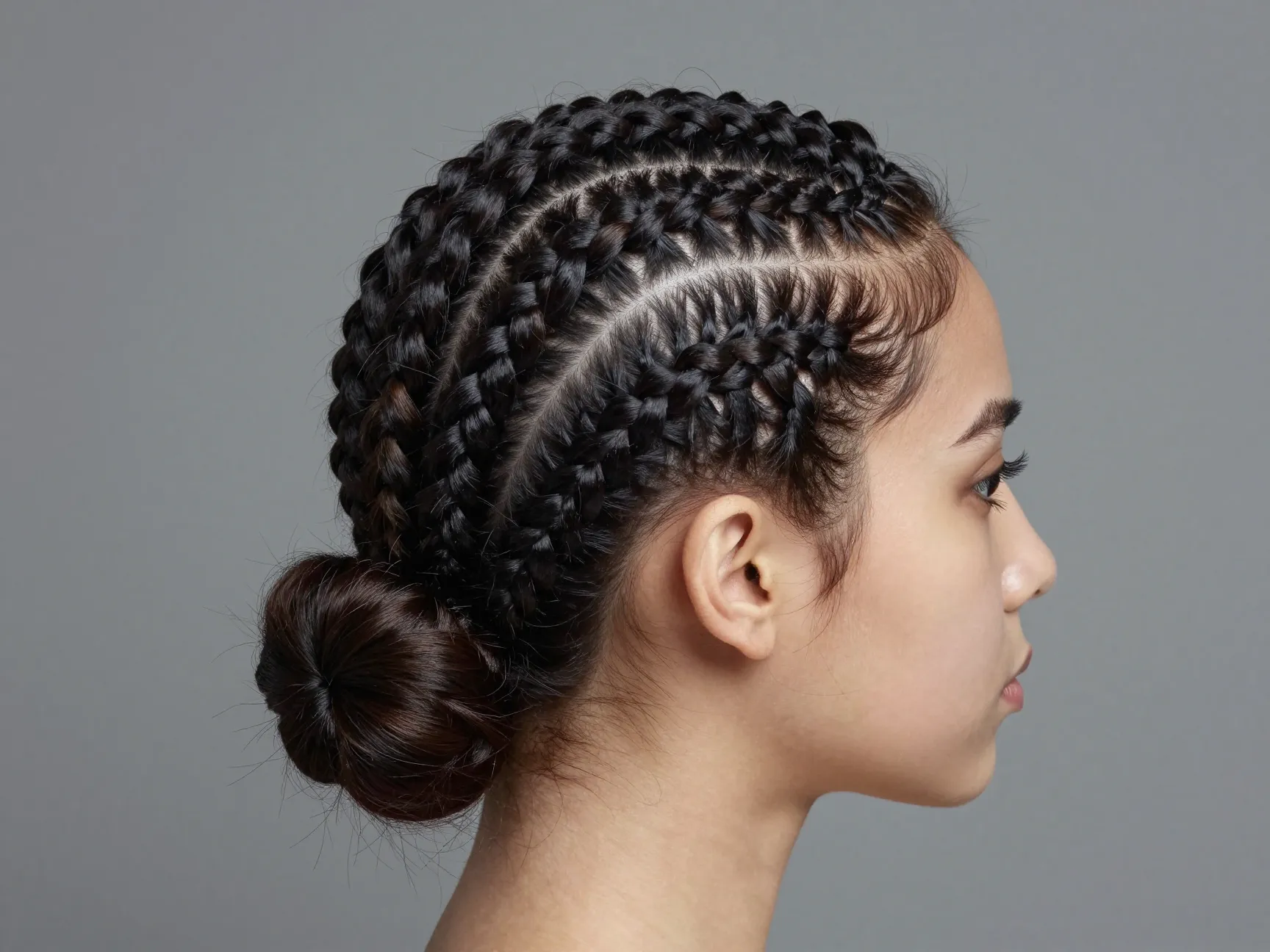
Curved cornrows take the rigid geometry of traditional styles and soften it into something more fluid and sculptural. Instead of straight lines, the braids follow curved, sweeping paths across the scalp — often arching around the crown, sweeping to one side, or creating a halo-like effect. [1]
This style is particularly flattering because the curves can be designed to complement your specific facial structure. A skilled braider can use curved parts to visually soften a strong jawline, frame high cheekbones, or elongate the face.
Style options for curved cornrows:
- 🌸 Neat low bun — curved braids sweep back and gather at the nape for a sleek, professional finish
- 💫 Side-swept design — all braids curve toward one side, creating dramatic asymmetry
- 👑 Crown halo — braids circle the head like a crown before meeting at the back
Curved cornrows are ideal for formal events, professional settings, or any occasion where you want a hairstyle that feels both polished and artistic. They require a braider with strong spatial awareness, so bring reference photos to your appointment.
4. 📐 Stitch Braids
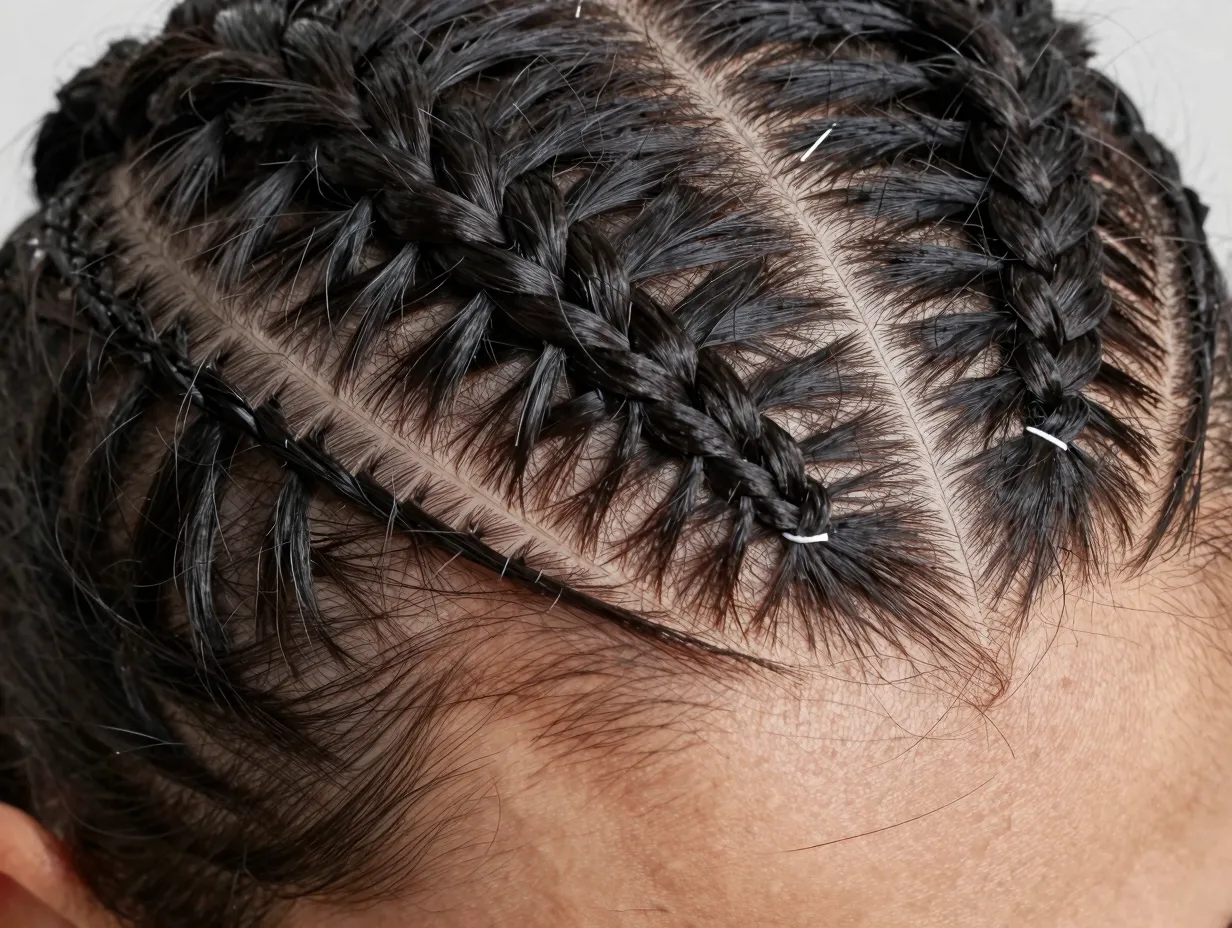
Stitch braids are one of the most technically impressive styles on this list. They get their name from the horizontal “stitch” lines that appear across each braid, created by picking up small sections of hair at precise intervals as the braid progresses. The result looks almost like a series of neat stitches sewn across the scalp. [4]
This style sits at the intersection of geometric precision and textured beauty. Each braid has a polished, defined structure, but the stitch pattern adds a layer of visual complexity that makes the style feel high-end and intentional.
What makes stitch braids unique:
- The horizontal lines create a grid-like, architectural pattern across the scalp
- They can be done in straight rows, curved rows, or even in a mohawk formation
- The style photographs exceptionally well because of the strong visual lines
- They represent a trendy 2026 style with growing popularity in editorial and fashion spaces [4]
Stitch braids do require a more experienced braider because the sectioning must be extremely precise. If the horizontal picks are uneven, the pattern loses its clean effect. Budget extra time for this appointment.
5. 🦋 Butterfly Braids
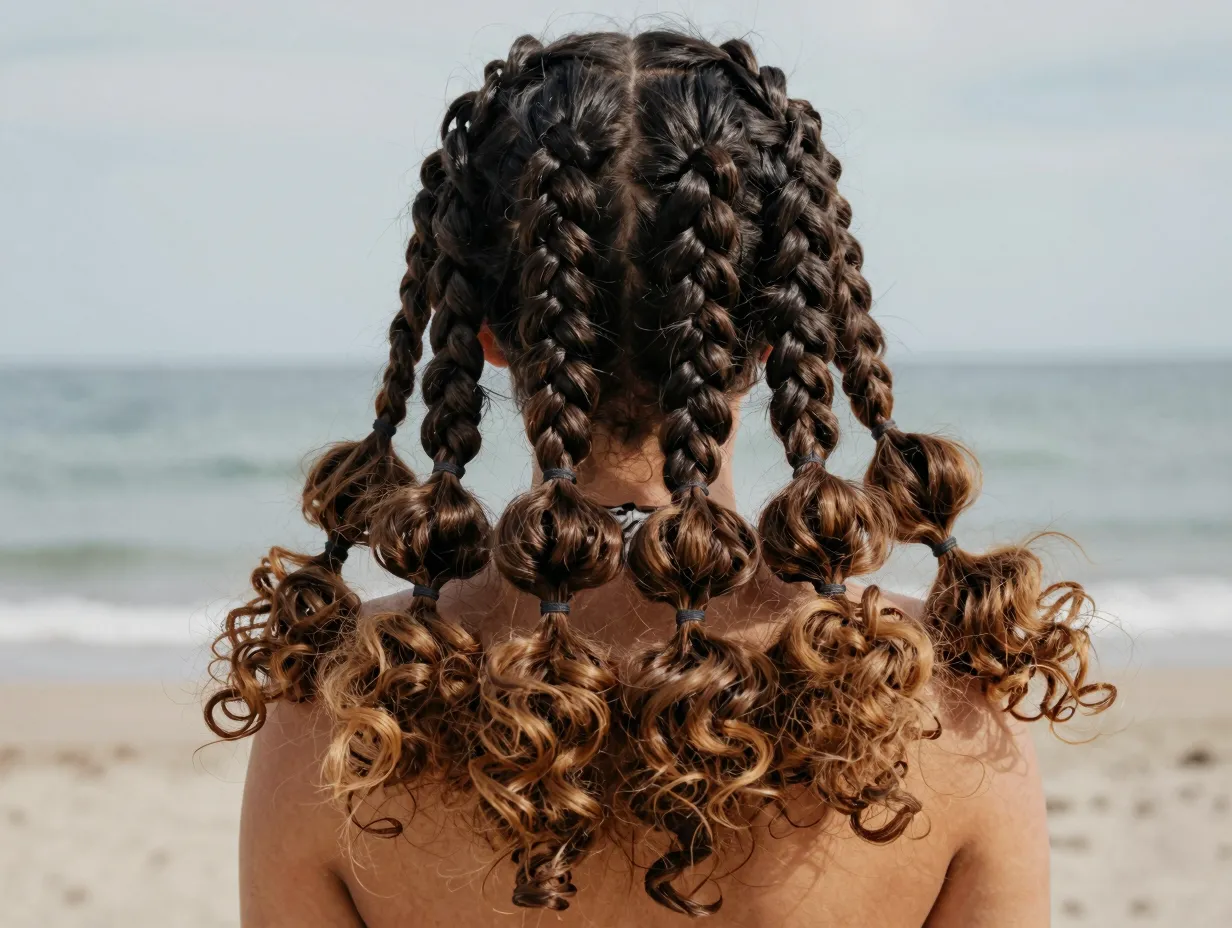
Butterfly braids are the style for anyone who loves texture, volume, and a little bit of drama. Unlike most cornrow styles that aim for a smooth, flat finish, butterfly braids are intentionally loosened after braiding to create a puffed, voluminous effect. [4]
The technique starts the same as a standard cornrow, but once the braid is complete, the braider gently pulls apart the edges of each braid to give it a fuller, fluffier appearance. The result resembles the open wings of a butterfly — hence the name. 🦋
Ways to customize butterfly braids:
- Add curled ends using flexi rods or a curling wand for a romantic, bohemian finish
- Incorporate colorful extensions (burgundy, honey blonde, or even pastel tones) for a glam effect [4]
- Mix butterfly braids with sleek, flat sections for a contrast style
- Add butterfly clips or pearl pins to lean into the name literally
This style is particularly popular for events, vacations, and content creation because it has that effortless “I woke up like this” energy while still being clearly styled. It also works beautifully on all hair textures.
6. 🧺 Koroba Braids (Basket Braids)
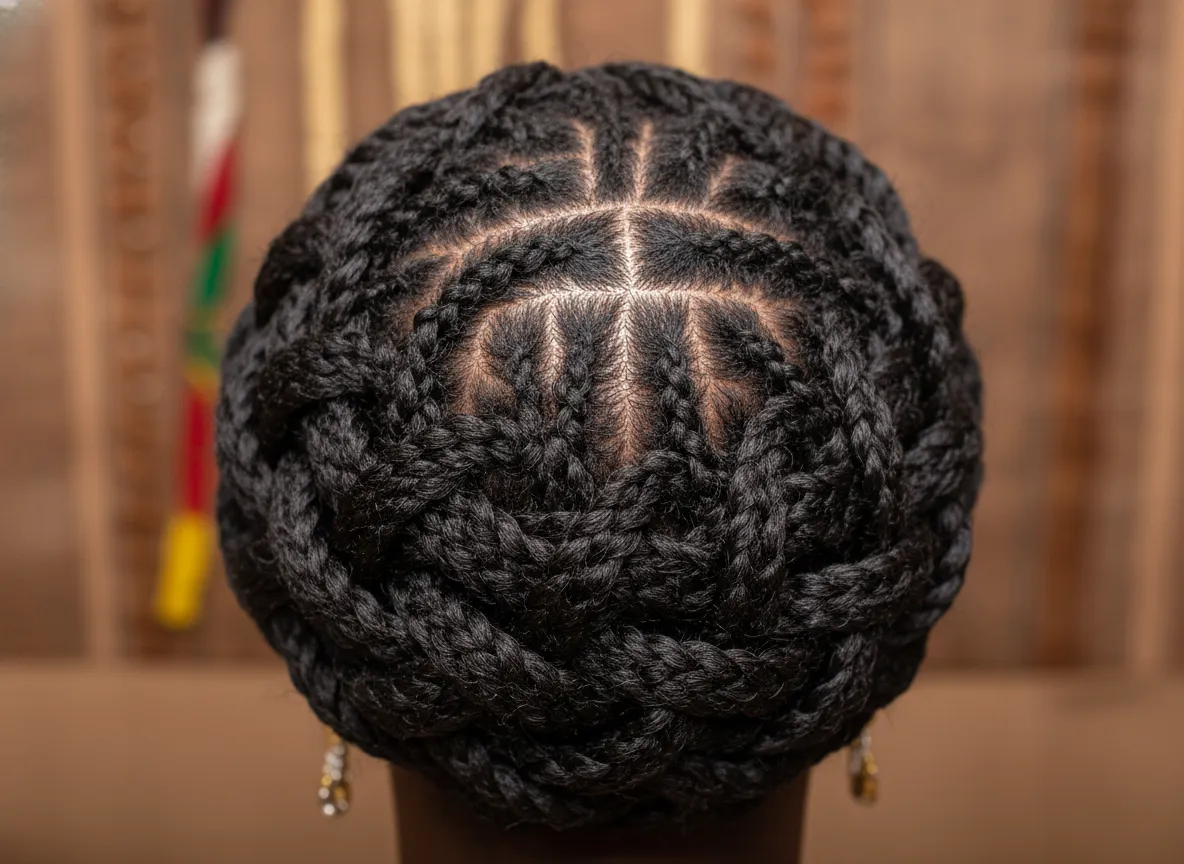
Koroba braids are one of the most culturally rich and visually distinctive styles on this list. The word koroba comes from the Yoruba language in Nigeria, where it refers to a traditional head basket. These braids are named for their resemblance to the woven patterns of those baskets. [4]
The technique involves braiding in a way that creates a three-dimensional, interwoven effect on the scalp. Rather than lying completely flat, the braids appear to weave over and under each other, creating a sculptural texture that is unlike anything else in the cornrow family.
Key benefits of Koroba braids:
- ✅ Scalp-friendly technique — the method distributes tension more evenly than tightly pulled straight-back styles [4]
- ✅ Distinctive 3D visual effect that stands out in a crowd
- ✅ Deep connection to Nigerian and Yoruba cultural heritage
- ✅ Works well as a standalone style or paired with a headwrap
If you want a style that sparks conversation and carries cultural meaning, Koroba braids are an outstanding choice. They do require a braider who is specifically familiar with the technique, so ask before you book.
7. 🌺 Gypsy Braids
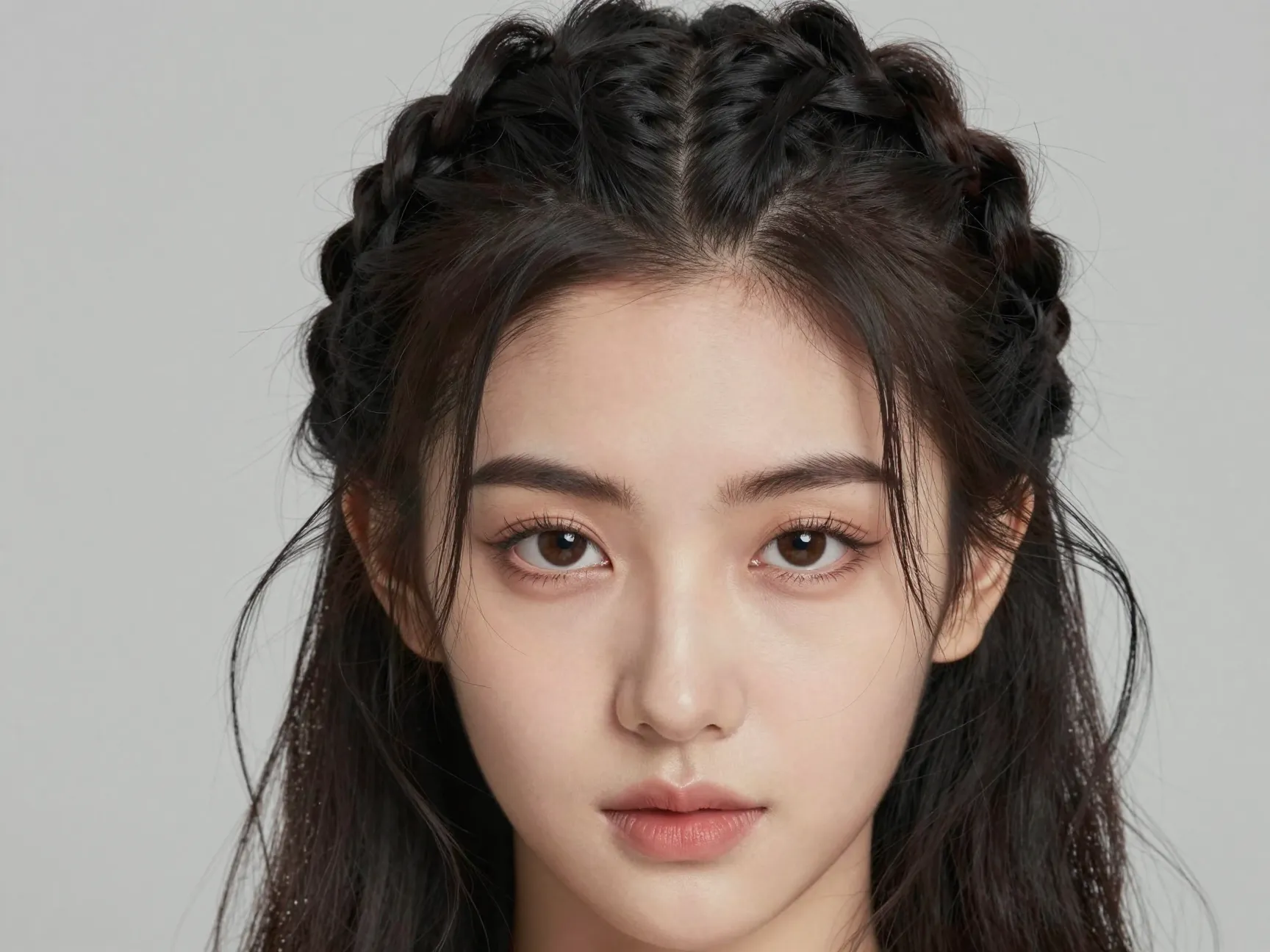
Gypsy braids are for those who want maximum detail and a truly elaborate finished look. This style combines intricate stitch braiding across the top of the head with deliberately styled baby hairs and soft tendrils that cascade around the face and along the hairline. [2]
The combination of the structured, geometric braiding on top and the soft, wispy edges creates a beautiful contrast — structured yet romantic, bold yet delicate.
What defines gypsy braids:
- Detailed stitch braiding that covers the crown and sides
- Baby hairs laid in swirling patterns along the hairline using edge control
- Loose tendrils framing the face for a softer, more feminine finish [2]
- Often paired with jeweled accessories, gold rings, or small flowers tucked into the braids
Gypsy braids take longer to install than most styles on this list because of the attention required for both the braiding pattern and the finishing details. Plan for a longer salon session — but the result is genuinely stunning and highly photogenic. 📸
💬 “Gypsy braids are the style people stop you on the street to ask about. The detail is just on another level.”
8. 🌾 Fulani Braids
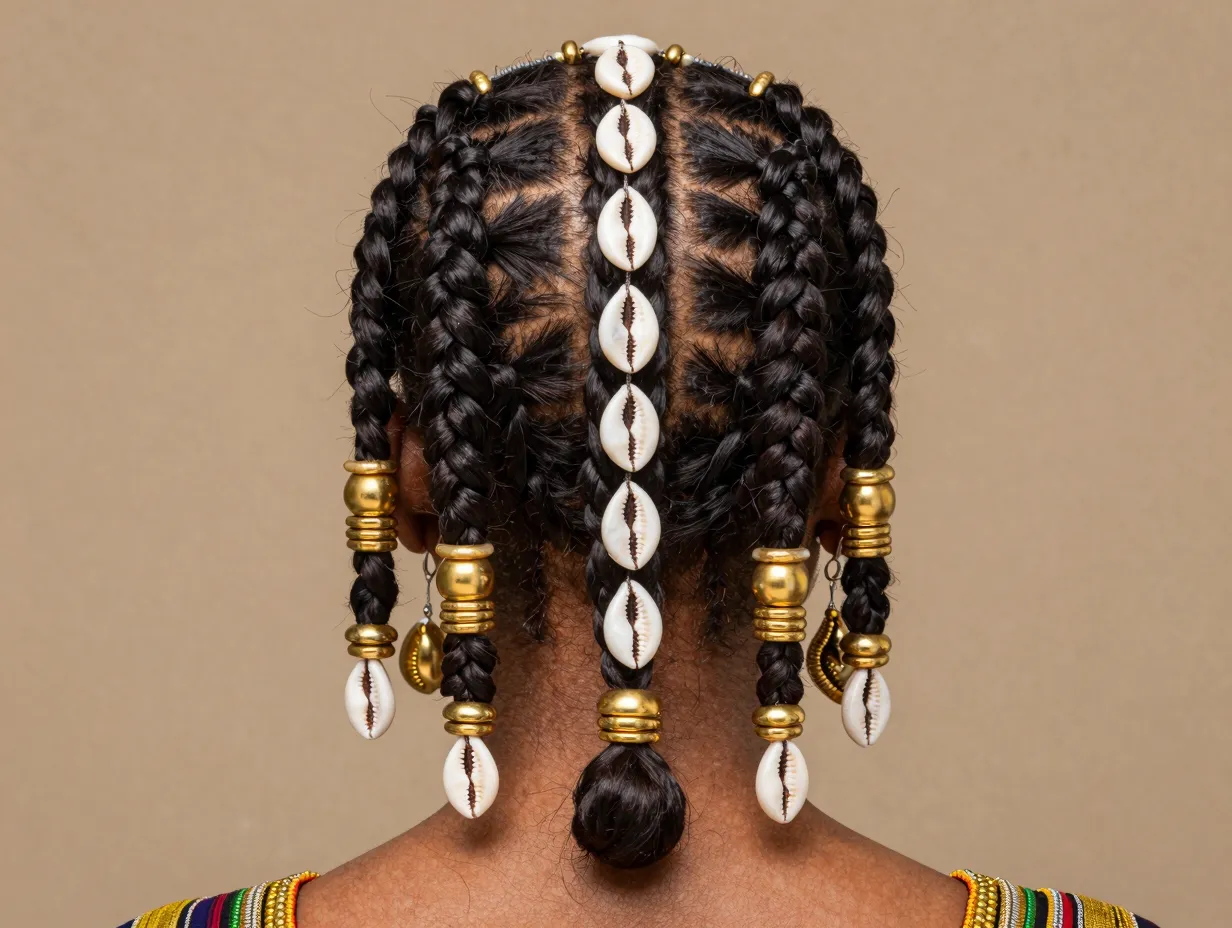
Fulani braids are a classic style with centuries of history behind them. Originating with the Fulani people of West Africa, this style is traditionally characterized by a central braid running down the middle of the head, side braids, and decorative elements like cowrie shells, beads, and gold rings. [1]
In contemporary styling, Fulani braids have been adapted in many ways while maintaining their core identity. They remain one of the most recognized and celebrated styles in the natural hair community precisely because they carry such clear cultural meaning.
Traditional and modern elements of Fulani braids:
- 🐚 Cowrie shells woven into the braids as a nod to traditional styling
- 💛 Gold beads and rings at the ends and along the braid length
- The signature center part with a braid running straight back
- Side braids that can be worn loose, looped, or pinned up
Fulani braids are a meaningful choice for anyone who wants to honor West African heritage through their hair. They are also one of the most versatile styles — they can be dressed up for formal occasions or worn casually with equal elegance. [1]
How to Choose the Right Cornrow Style for You
With so many options available, narrowing down which of these 8 different cornrow styles to break out of your braid routine is right for you can feel overwhelming. Here is a simple framework to help:
Consider Your Lifestyle
| If you… | Try… |
|---|---|
| Work in a formal environment | Curved cornrows or Ghana braids |
| Love bold, expressive styles | Zig-zag or stitch braids |
| Want cultural connection | Fulani or Koroba braids |
| Prefer soft, romantic looks | Gypsy or butterfly braids |
| Are new to protective styling | Ghana braids or curved cornrows |
Think About Maintenance
All cornrow styles are protective, but they vary in how much upkeep they need:
- Low maintenance: Ghana braids, straight-back zig-zag cornrows
- Medium maintenance: Curved cornrows, Fulani braids, stitch braids
- Higher maintenance: Butterfly braids (need re-fluffing), Gypsy braids (edges need refreshing)
Budget for the Right Braider
Some of these styles — particularly Koroba braids, gypsy braids, and stitch braids — require a braider with specific technical skills. Do not be afraid to:
- Ask to see a portfolio before booking
- Request a consultation to confirm the braider knows the specific style
- Pay a higher rate for advanced techniques — it is worth it for the result
Tips for Maintaining Any Cornrow Style 🧴
No matter which style you choose, these maintenance habits will keep your cornrows looking fresh longer:
- Moisturize your scalp every 2–3 days with a lightweight oil (jojoba, tea tree, or peppermint oil work well)
- Wrap your hair at night with a satin scarf or use a satin pillowcase to reduce friction
- Avoid excessive manipulation — resist the urge to constantly touch or restyle
- Keep edges clean with a gentle clarifying spray if buildup occurs
- Do not leave cornrows in too long — 6–8 weeks is generally the maximum before you risk damage from buildup and matting [3]
💬 “A great protective style only protects your hair if you actually protect the style. Nighttime care is non-negotiable.”
Conclusion: Time to Book That Appointment
The world of cornrow styling is far richer than most people realize. These 8 different cornrow styles to break out of your braid routine — from the sculptural Koroba braids of Nigerian heritage to the voluminous drama of butterfly braids — prove that one base technique can produce an almost limitless range of looks.
Here are your actionable next steps:
- 📱 Save reference photos of the two or three styles that most appeal to you
- 🔍 Research braiders in your area who specialize in the specific style you want — check their portfolios on Instagram or TikTok
- 📅 Book a consultation before your full appointment to confirm the braider’s familiarity with your chosen style
- 🛒 Prep your supplies — buy satin wrap, edge control, and a lightweight scalp oil before your appointment
- 🌟 Commit to the maintenance routine from day one to get the most out of your style
Your hair is one of the most visible expressions of your identity. Giving it the variety and care it deserves is not vanity — it is self-expression. Pick a style, book the appointment, and break out of that braid routine. ✊🏾
References
[1] Cornrow Hairstyles – https://www.hermosahair.com/blogs/blog/cornrow-hairstyles
[2] 15 Cornrow Styles To Show Your Braider For Your Next Look – https://www.beautycon.com/article/15-cornrow-styles-to-show-your-braider-for-your-next-look
[3] Cornrow Styles – https://www.allthingshair.com/en-us/hairstyles-haircuts/braids/cornrow-styles/
[4] Cornrow Styles – https://therighthairstyles.com/cornrow-styles/
[5] Watch – https://www.youtube.com/watch?v=2LpikcSKLwc
[6] 15 Must Try Cornrow Braid Hairstyles For Summer In 2024 – https://www.ywigs.com/blogs/ywigs-blog/15-must-try-cornrow-braid-hairstyles-for-summer-in-2024