8 Lived-In Blonde Balayage Styles to Perfectly Embrace Your Dark Roots
Nearly 72% of women who color their hair report that grow-out maintenance is their biggest frustration — yet the most-requested salon look of the past three years deliberately features visible roots. That’s not a contradiction. That’s the lived-in blonde balayage movement, and it has completely rewritten the rules of what “good hair color” looks like.
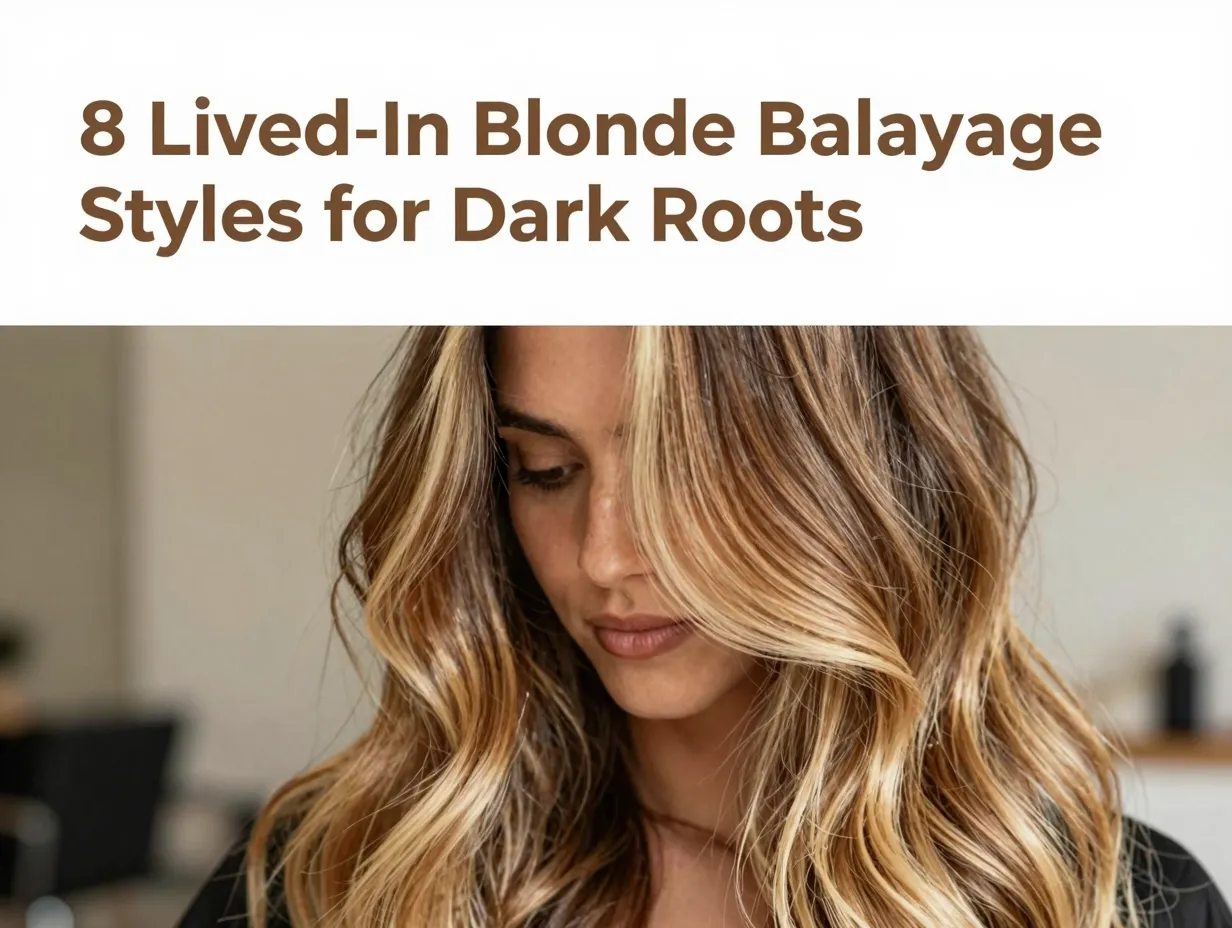
If you’ve been fighting your dark roots, this article is your permission slip to stop. The 8 Lived-In Blonde Balayage Styles to Perfectly Embrace Your Dark Roots covered here are designed to make your natural root growth part of the look — not a flaw to fix. Whether your base is jet black, warm chestnut, or cool ash brown, there is a style in this lineup that will work beautifully for you in 2026.
Key Takeaways 📌
- Dark roots are a feature, not a bug — lived-in balayage is specifically designed to grow out gracefully and look intentional at every stage.
- Low maintenance wins — most of these styles only require touch-ups every 12–16 weeks, saving you time and money.
- Balayage ≠ highlights — the hand-painted technique creates softer, more natural-looking dimension than traditional foil highlights.
- Toning matters — the right toner can make or break your blonde, especially when working with a dark base.
- Communication is key — bring reference photos to your stylist and discuss your lifestyle before committing to a technique.
Why Dark Roots and Blonde Balayage Are a Perfect Match
For decades, the beauty industry sold us a very specific idea: blonde hair should be uniformly light from root to tip, and any visible dark regrowth meant you were “due for a touch-up.” That narrative has officially collapsed.
Lived-in color — sometimes called “shadow root,” “root smudge,” or simply “grow-out balayage” — leans into the natural contrast between your dark base and lighter ends. The result is a look that feels effortless, sun-kissed, and authentically you.
Here’s why this approach works so well:
| Benefit | Traditional Highlights | Lived-In Balayage |
|---|---|---|
| Grow-out appearance | Harsh, obvious line | Soft, seamless blend |
| Touch-up frequency | Every 6–8 weeks | Every 12–16 weeks |
| Damage level | Moderate to high | Lower (less product overlap) |
| Cost over time | Higher | Lower |
| Customization | Limited | Highly personalized |
The bottom line? Dark roots and blonde balayage are not opposites — they are partners. The dark base creates depth and dimension that makes the blonde look richer and more three-dimensional.
💬 “The most beautiful blonde is one that looks like the sun did it, not the salon.” — A philosophy shared by colorists worldwide.
8 Lived-In Blonde Balayage Styles to Perfectly Embrace Your Dark Roots
Now let’s get into the heart of it. Each style below is distinct, wearable, and specifically chosen to celebrate rather than hide your natural dark base.
1. The Classic Shadow Root Balayage
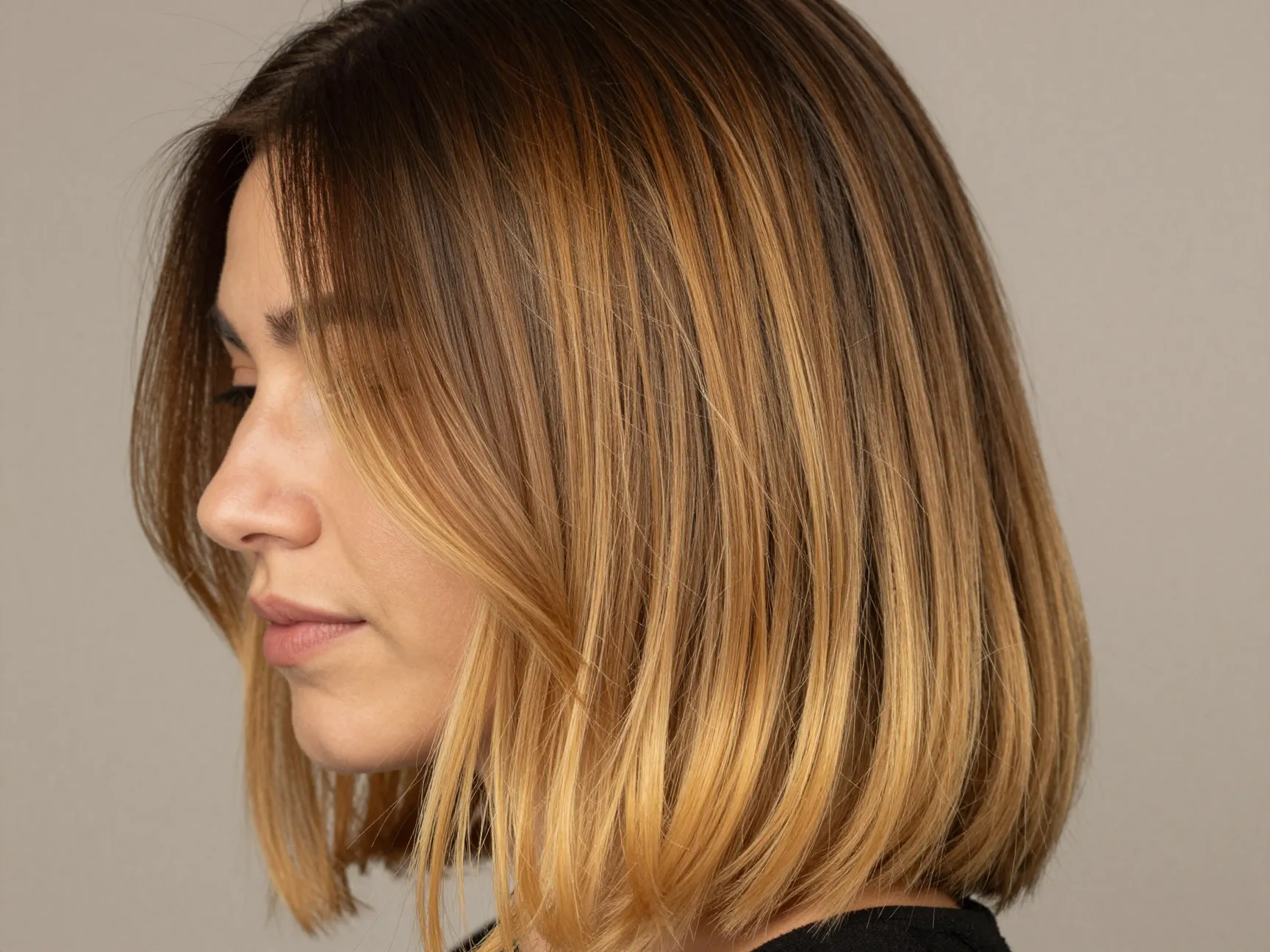
The shadow root technique is the foundation of the entire lived-in movement. Your colorist deepens your natural roots — or simply leaves them untouched — and hand-paints lighter tones starting about 2–3 inches from the scalp. The result is a gradient that looks like your hair naturally lightened in the sun.
Best for: All hair types; especially flattering on medium to long hair.
Key details:
- Root color: Left natural or slightly darkened with a gloss
- Mid-lengths: Warm honey or caramel tones
- Ends: Soft golden or buttery blonde
- Maintenance: Every 14–16 weeks
This style is the most forgiving as it grows out. Even at week 20, it still looks intentional. If you’re new to balayage, start here.
2. Bronde Balayage with a Dark Root
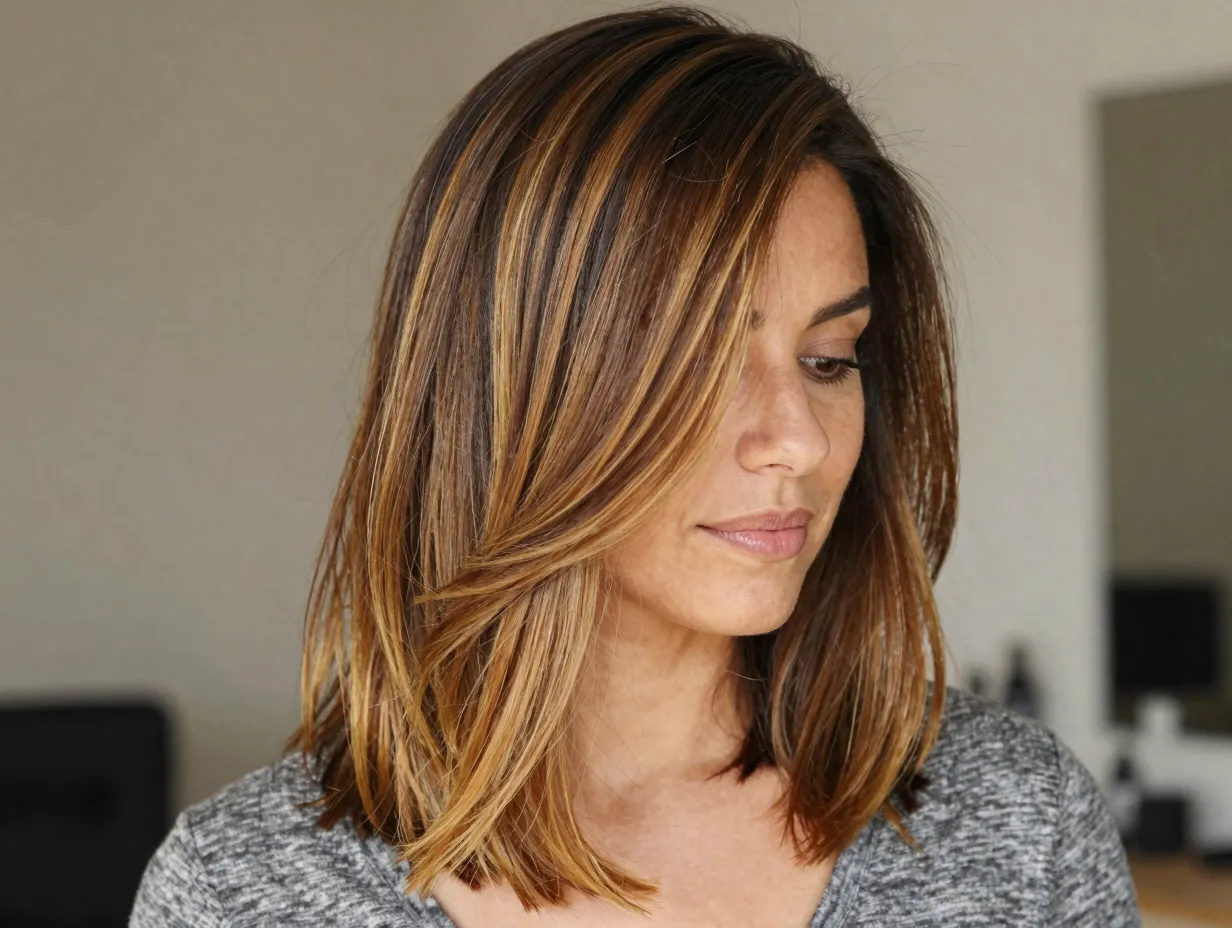
Bronde — the beautiful in-between of brown and blonde — is one of the most wearable color combinations in 2026. When paired with a deliberately kept dark root, it creates a look that is sophisticated and incredibly low maintenance.
The key to great bronde balayage is restraint. Your colorist should lift the hair to a warm, golden-brown tone rather than pushing all the way to platinum. This keeps the contrast between root and ends soft rather than stark.
Best for: Warm skin tones; brunettes who want to go lighter without a dramatic change.
Pro tip 💡: Ask for a glossing treatment in a warm caramel or honey shade after your balayage to melt the tones together seamlessly.
3. Chunky Contrast Blonde Balayage
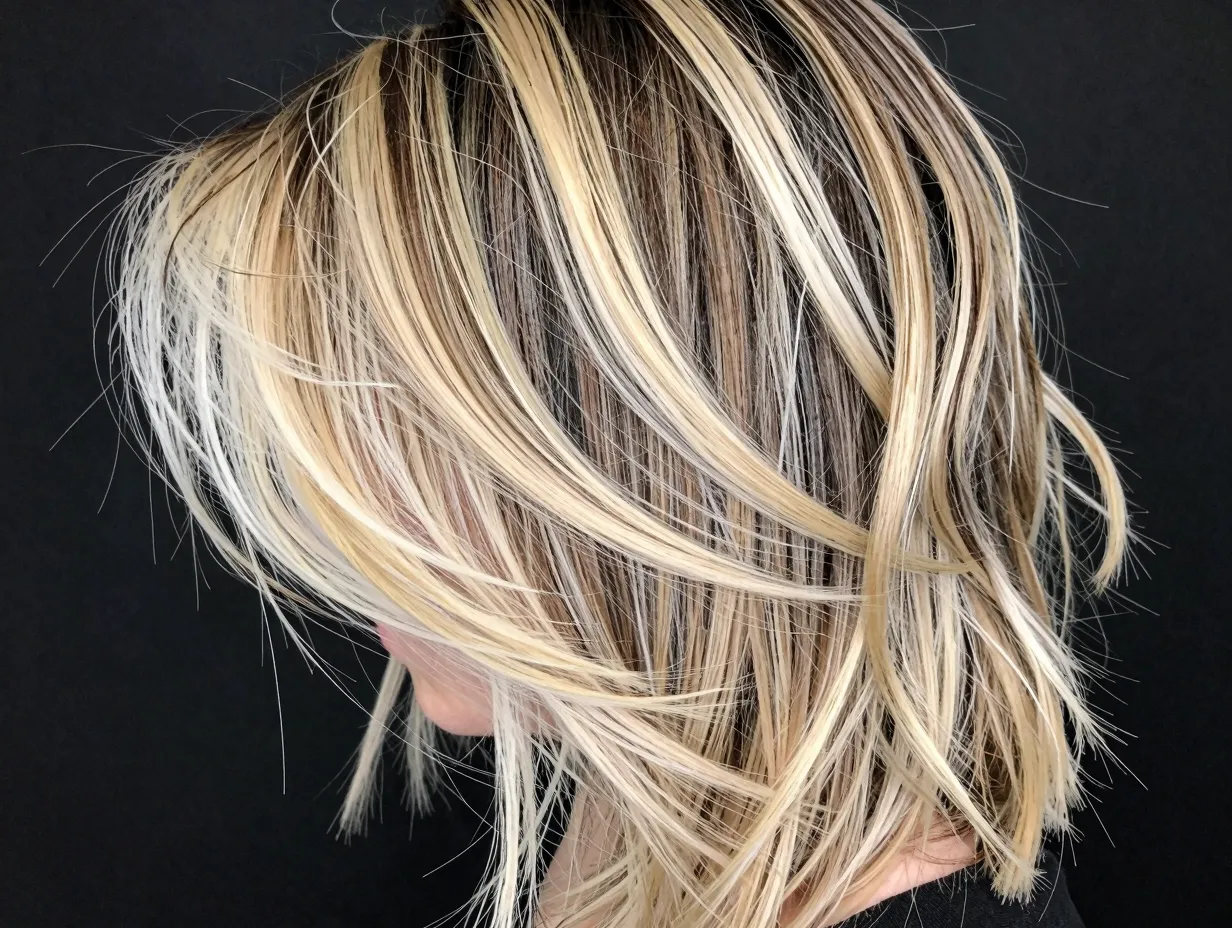
Not everyone wants a subtle look — and that’s perfectly valid. The chunky contrast style takes the lived-in concept and turns up the volume. Larger sections of hair are lifted to a brighter, more noticeable blonde, creating bold streaks of light against a dark root base.
This style draws inspiration from the early 2000s but with a modern, intentional execution. Instead of harsh, uniform highlights, the placement is still hand-painted and varied — so it looks lived-in rather than dated.
Best for: Those with naturally thick hair; people who want high impact with lower upkeep.
| Feature | Chunky Contrast | Classic Shadow Root |
|---|---|---|
| Blonde visibility | High | Moderate |
| Root contrast | Bold | Soft |
| Personality | Edgy, expressive | Natural, effortless |
| Touch-up window | 10–12 weeks | 14–16 weeks |
4. Platinum Tips with a Dark Root Base
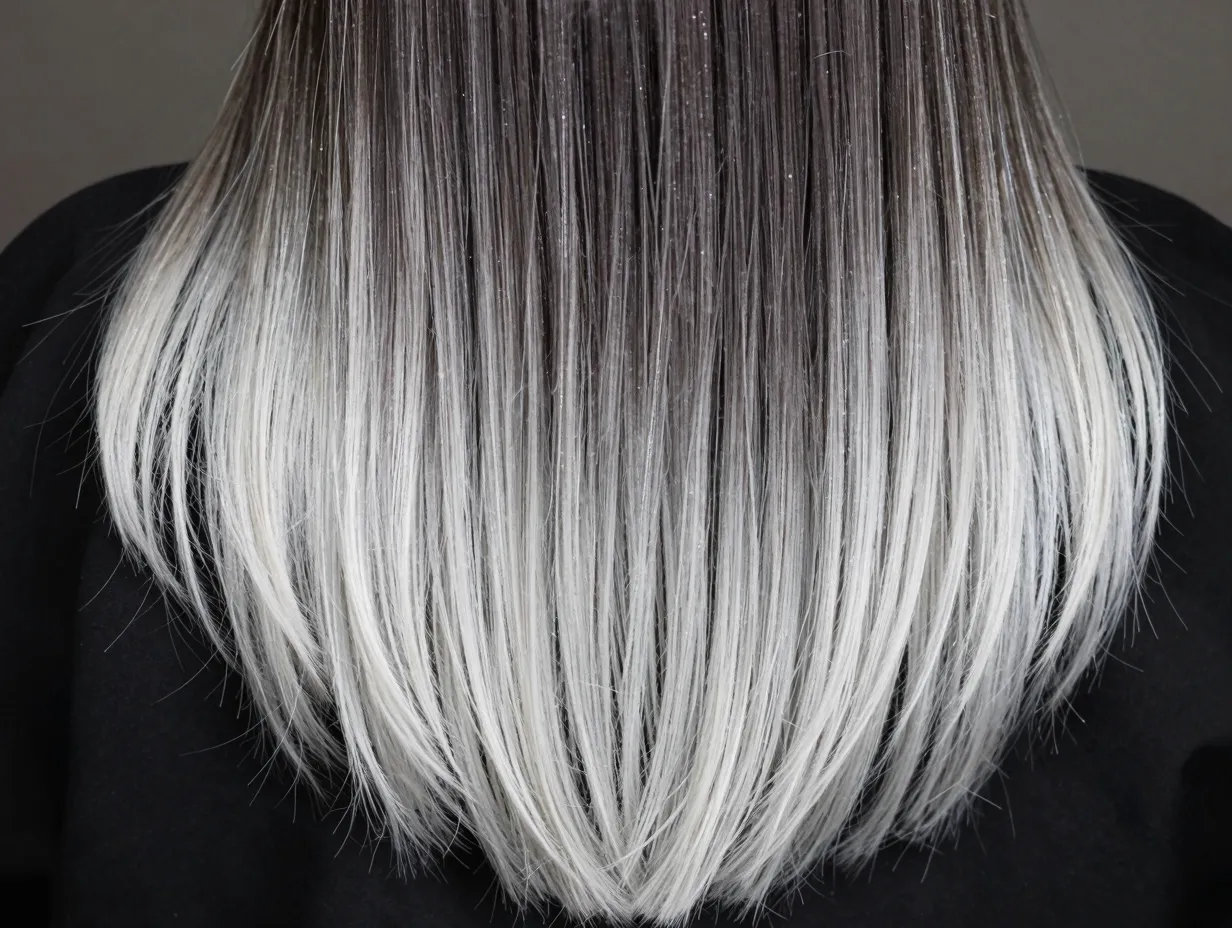
This is the most dramatic entry in our 8 Lived-In Blonde Balayage Styles to Perfectly Embrace Your Dark Roots lineup. The hair is lifted to a near-white or icy platinum at the ends, while the roots remain deep brown or black. The contrast is intentional and striking.
This look works because the gradient is gradual — even though the end result is dramatic, the transition from dark to platinum happens over several inches rather than abruptly. This is what separates it from an ombre (which has a harder line) and keeps it in the lived-in family.
Important considerations:
- Multiple sessions may be needed if your hair is very dark
- Toning is critical — a purple or blue toner keeps platinum ends from going brassy
- Deep conditioning treatments are essential to maintain hair health
- Budget for Olaplex or bond-building treatments during the lightening process
Best for: Bold personalities; those with naturally dark hair who want a statement look.
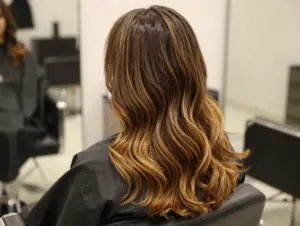
5. Warm Caramel Balayage on a Dark Base
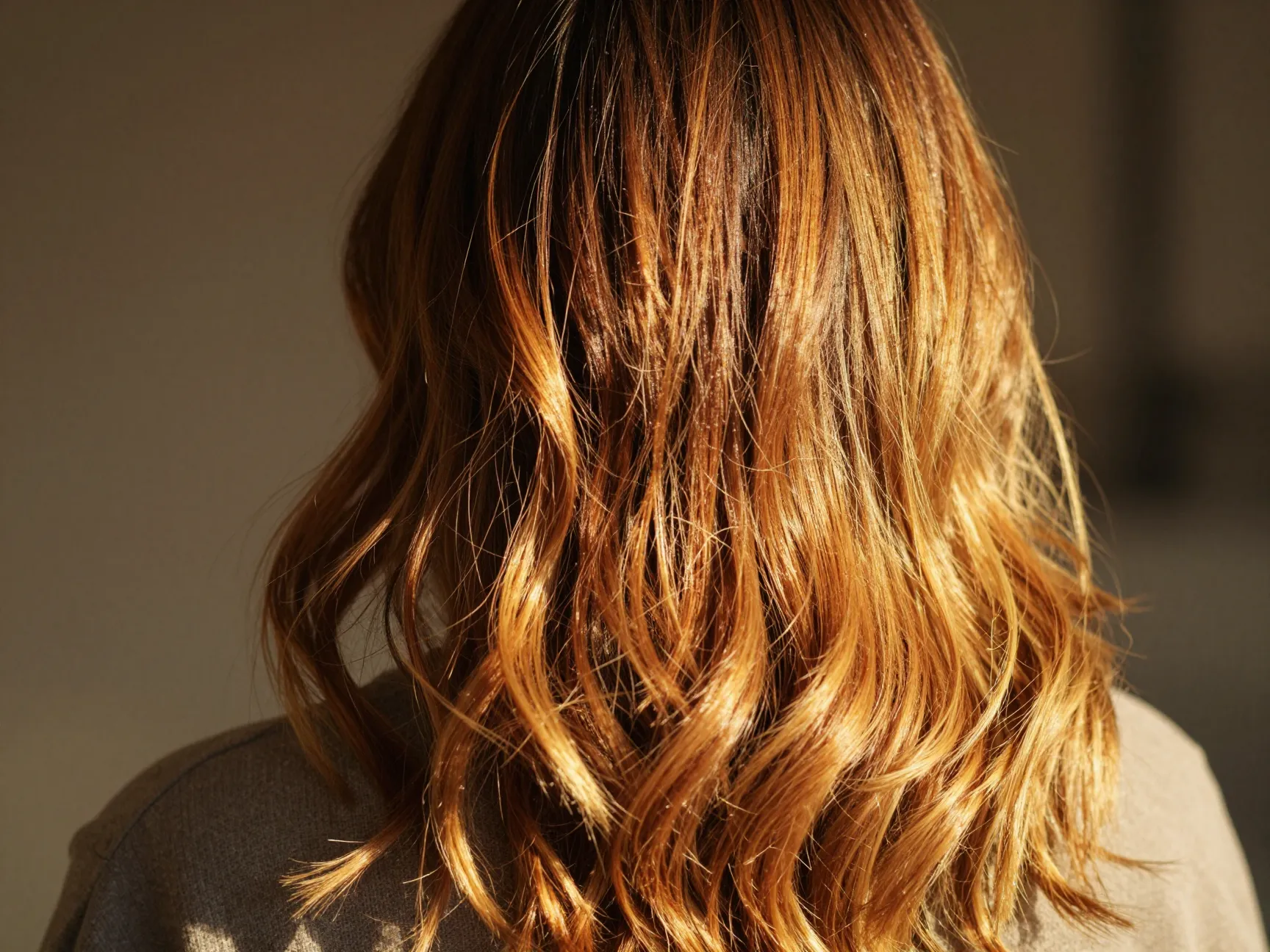
Caramel balayage is the comfort food of hair color — warm, rich, and universally flattering. When applied over a dark root base, it creates a look that feels like autumn sunlight filtering through your hair.
The warmth of caramel tones works especially well for people with olive, tan, or medium skin tones, as the golden undertones complement natural complexion beautifully.
Color breakdown:
- Roots: Dark brown (natural or slightly deepened)
- Mid-lengths: Warm toffee and caramel
- Ends: Lighter caramel to golden blonde
This style is also one of the most forgiving when it comes to grow-out. Because the root color and the balayage tones are both warm, the line between them is almost invisible as the hair grows.
💬 “Caramel balayage on a dark base is the style I recommend most often to clients who say they want to ‘look like themselves, but better.'” — A sentiment echoed by colorists in top salons globally.
6. Ashy Blonde Balayage with a Cool Dark Root
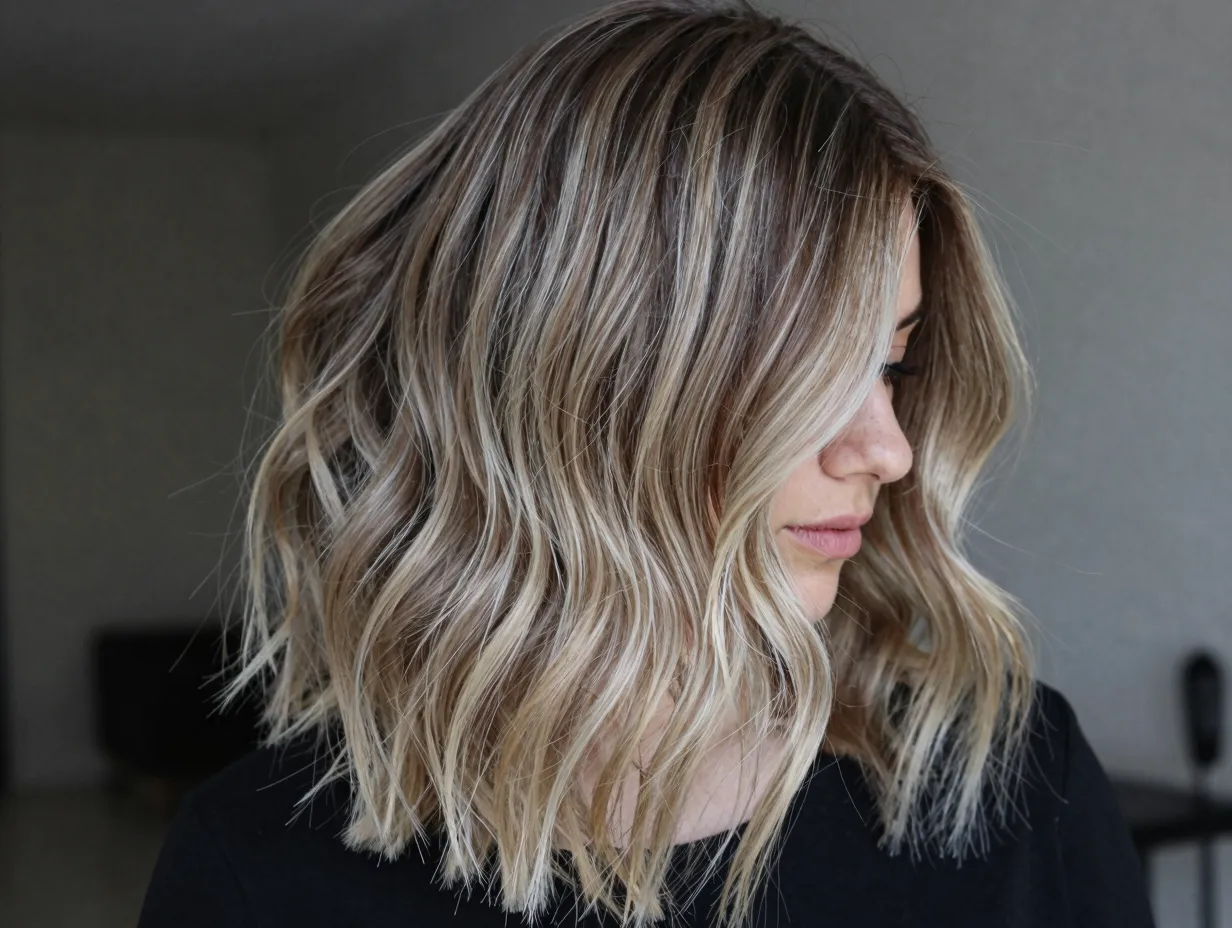
Where caramel is warm and cozy, ashy blonde balayage is cool, modern, and effortlessly chic. This style uses cool-toned highlights — think mushroom blonde, beige, and silvery blonde — against a cool or neutral dark root.
The result is a look that feels very editorial and current, and it photographs beautifully in natural light.
Key styling notes:
- Avoid warm toners — stick to pearl, ash, or violet-based toners to maintain the cool tone
- Use a purple shampoo 1–2 times per week to prevent brassiness
- This style works especially well on hair with naturally cool or ash undertones
Best for: Cool and neutral skin tones; those who prefer a more understated, sophisticated aesthetic.
Maintenance tip 🧴: Cool tones fade faster than warm tones, so a color-depositing conditioner in a pearl or ash shade can extend the life of your color between salon visits.
7. Babylights Balayage with a Dark Root Shadow
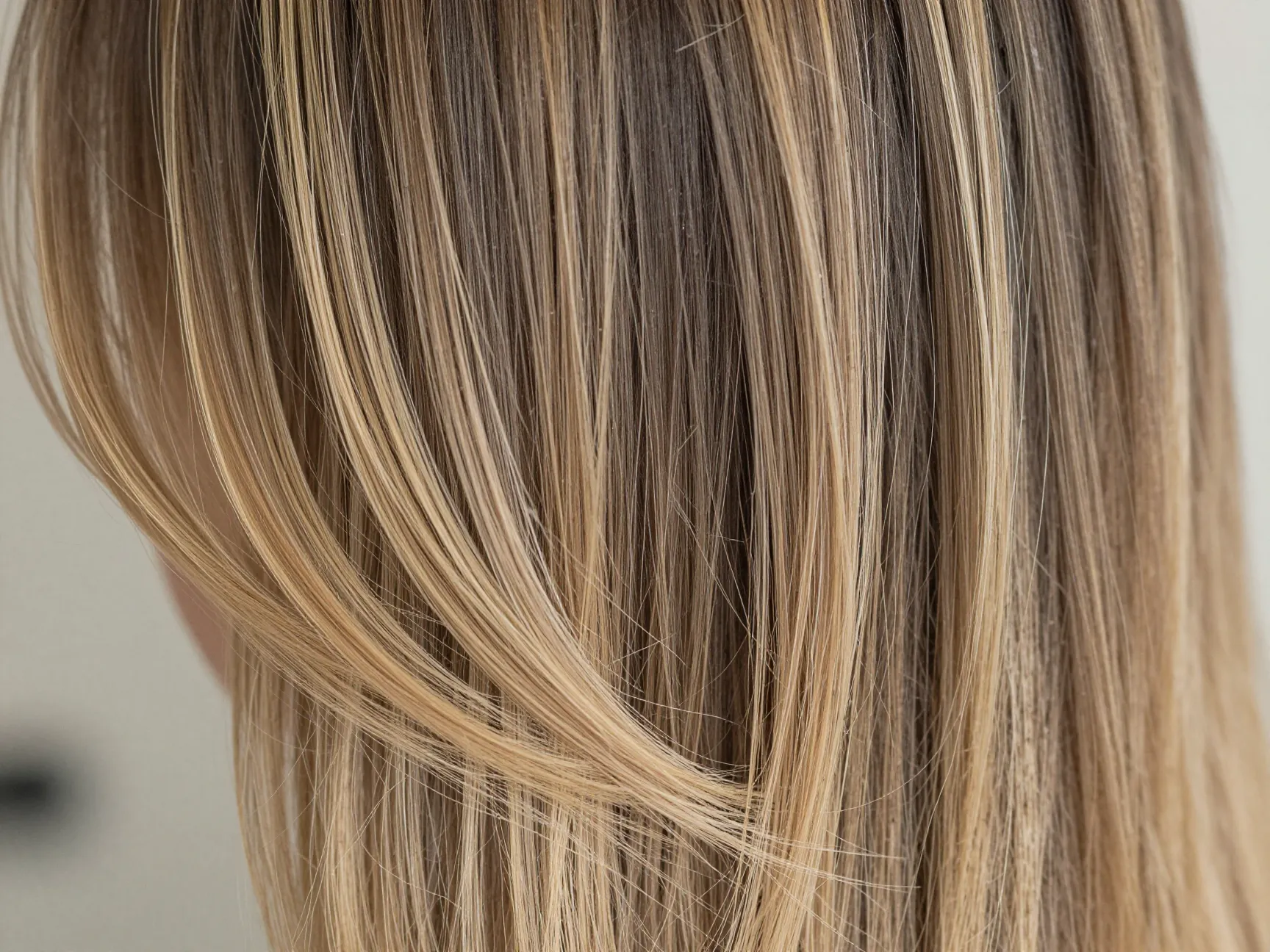
Babylights are ultra-fine, delicate highlights that mimic the natural lightening that children’s hair experiences in the sun. When combined with a dark root shadow, they create the most natural-looking result of all the styles on this list.
Instead of obvious streaks of blonde, babylights create a soft, all-over luminosity. Up close, you can see individual strands of lighter color woven throughout the hair. From a distance, the hair simply looks healthy, dimensional, and glowing.
Why this works so well with dark roots:
- The fine highlights blend seamlessly into the dark base
- The transition from root to light is incredibly gradual
- It looks like natural sun-lightening rather than a salon treatment
Best for: Those who want the most natural, undetectable color; people with fine hair (larger sections can look heavy on fine strands).
Session note: Babylights are time-intensive. Expect a longer appointment — often 3–4 hours — due to the number of individual sections being painted.
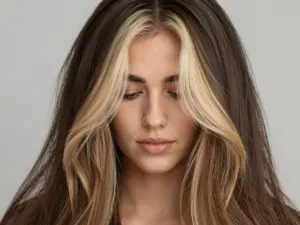
8. The Face-Framing Money Piece with Dark Root Balayage
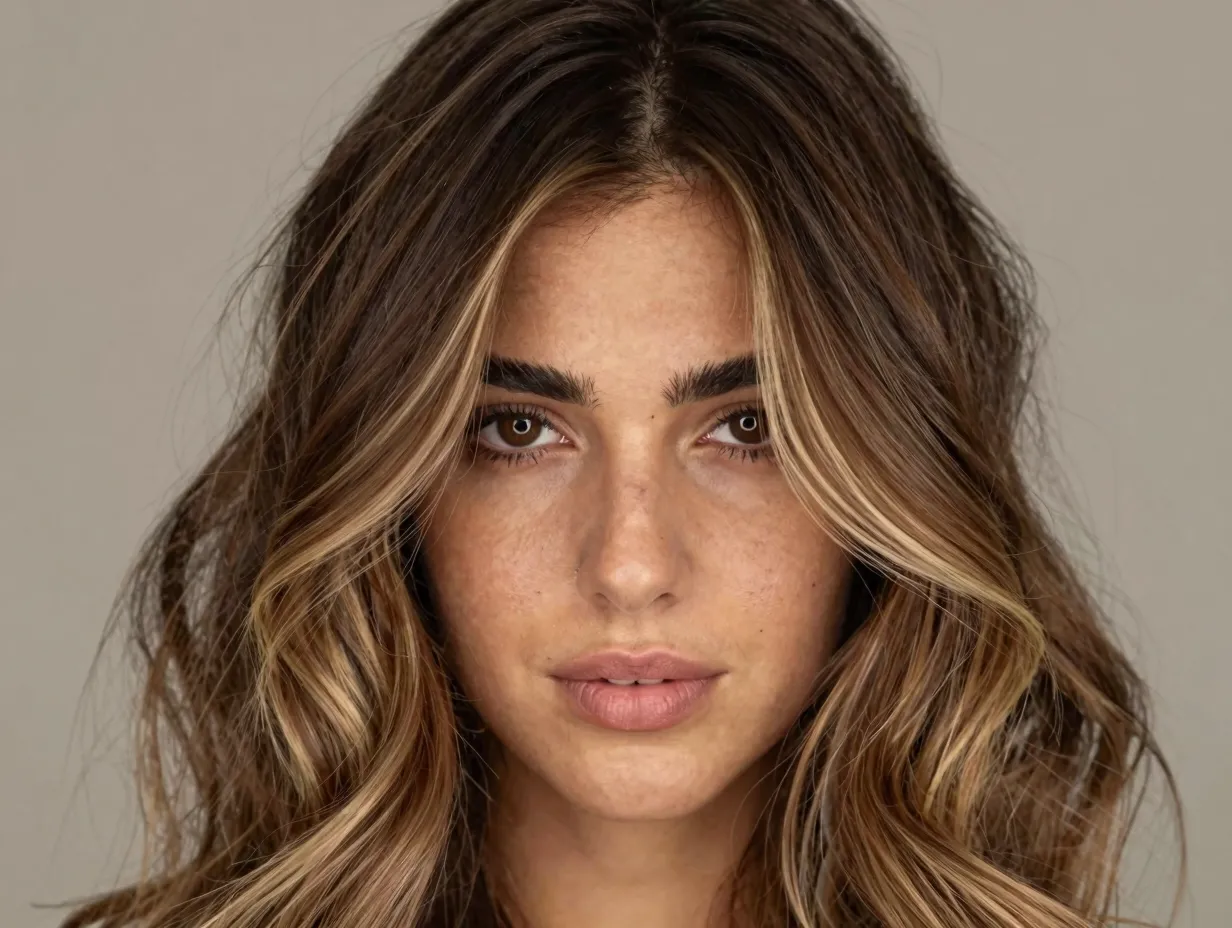
The money piece is a targeted highlight technique where the sections of hair framing the face are lifted significantly lighter than the rest. When paired with a dark root balayage on the rest of the hair, it creates a sun-kissed, face-brightening effect that looks effortlessly beautiful.
This is the most strategic of the 8 lived-in blonde balayage styles to perfectly embrace your dark roots because it focuses the brightness exactly where it has the most impact — around your face.
How it works:
- The two front sections (from temple to chin) are lifted 2–4 levels lighter than the base
- The rest of the hair gets a softer, more blended balayage
- The dark roots tie everything together, making the lighter face-framing pieces look intentional
Customization options:
- Subtle money piece: Lifted to a warm honey or caramel
- Bold money piece: Lifted to a bright or platinum blonde
- Blended money piece: Feathered into the surrounding hair for a softer edge
💬 “The money piece is the single most flattering thing you can do with hair color. It draws attention to your eyes and cheekbones instantly.”
Best for: All hair types and lengths; especially impactful on those with darker bases who want a noticeable but low-commitment change.
How to Choose the Right Style for Your Dark Root Balayage
With 8 lived-in blonde balayage styles to perfectly embrace your dark roots laid out in front of you, the next question is: which one is right for you? Here’s a simple decision framework.
Consider Your Skin Tone
| Skin Tone | Best Styles |
|---|---|
| Fair/Cool | Ashy blonde, platinum tips, babylights |
| Fair/Warm | Caramel balayage, bronde, classic shadow root |
| Medium/Olive | Caramel, bronde, money piece, chunky contrast |
| Deep/Warm | Warm caramel, chunky contrast, money piece |
| Deep/Cool | Ashy blonde, platinum tips, babylights |
Consider Your Lifestyle
- Very busy, low maintenance? → Classic shadow root or caramel balayage (longest time between touch-ups)
- Love the salon experience? → Babylights or platinum tips (require more frequent visits)
- Budget-conscious? → Bronde or shadow root (fewer sessions, less product used)
- Want maximum impact? → Chunky contrast or money piece (high visual payoff)
Consider Your Hair Health
Before any lightening service, assess the current state of your hair:
- Healthy, virgin hair: Can handle most techniques, including platinum
- Previously colored or heat-damaged: Start with a gentler approach like bronde or caramel balayage
- Fine or fragile hair: Babylights or shadow root are safest
- Thick, coarse hair: Can handle more aggressive lightening; chunky contrast works well
Caring for Your Lived-In Blonde Balayage
Getting the color is only half the journey. Keeping it looking beautiful requires a consistent at-home routine.
Essential products for blonde balayage maintenance:
- Purple shampoo — Use 1–2 times per week to neutralize brassiness (especially important for ashy and platinum styles)
- Color-safe conditioner — Hydration is non-negotiable after lightening
- Deep conditioning mask — Use weekly to restore moisture and elasticity
- Heat protectant — Always apply before using hot tools
- Bond-building treatment (like Olaplex No. 3) — Use weekly to strengthen lightened strands
Habits to protect your color:
- Wash hair in cool or lukewarm water — hot water opens the cuticle and accelerates color fade
- Limit washing to 2–3 times per week — over-washing strips color and natural oils
- Protect hair from UV exposure with a UV-protectant spray or hat
- Sleep on a silk or satin pillowcase to reduce friction and color fade
What to Tell Your Stylist
Walking into the salon with a clear vision — and the right vocabulary — will help you get exactly what you want. Here’s a quick cheat sheet:
Phrases that help:
- “I want my roots to look intentional, not grown out.”
- “I’m looking for a lived-in, low-maintenance result.”
- “I want the color to grow out gracefully without a harsh line.”
- “I’d like a shadow root with [warm/cool] tones.”
Always bring:
- 📸 2–3 reference photos that show the root depth and blonde tone you want
- A photo of your current hair in natural light
- Honest information about your color history (box dye, previous highlights, etc.)
Questions to ask your stylist:
- How many sessions will this take to achieve?
- What toner will you use, and how long will it last?
- What should I use at home to maintain this?
- When should I come back for a touch-up?
Conclusion: Embrace the Root, Own the Look
The shift toward lived-in, root-embracing color is not a trend that’s going away — it’s a fundamental change in how we think about beauty and maintenance. The 8 Lived-In Blonde Balayage Styles to Perfectly Embrace Your Dark Roots outlined in this article prove that your natural dark base isn’t something to fight. It’s the foundation that makes your blonde look richer, more dimensional, and more authentically beautiful.
Your actionable next steps:
- Identify your top 2–3 styles from this list based on your skin tone, lifestyle, and hair health.
- Gather reference photos that match the root depth and blonde tone you’re drawn to.
- Book a consultation (not just an appointment) with a balayage specialist — many salons offer these for free or at a reduced rate.
- Invest in the right products before your appointment so you’re ready to maintain your color from day one.
- Trust the process — if your hair is very dark, achieving your ideal blonde may take 2–3 sessions. Patience protects your hair health.
In 2026, the most stylish thing you can do is wear your hair in a way that works with your natural texture and color — not against it. Dark roots and blonde balayage are better together. Now go book that consultation. 🌟