9 Low Tension Curly Hairstyles to Protect Your Hair and Scalp
Over 30% of Black women report experiencing traction alopecia — hair loss caused directly by tight, high-tension hairstyles — at some point in their lives. That number is not just a statistic; it is a wake-up call. The good news? You do not have to sacrifice style to protect your edges and scalp. The 9 Low Tension Curly Hairstyles to Protect Your Hair and Scalp explored in this article give you beautiful, versatile looks without the damaging pull that causes breakage, thinning, and long-term hair loss.
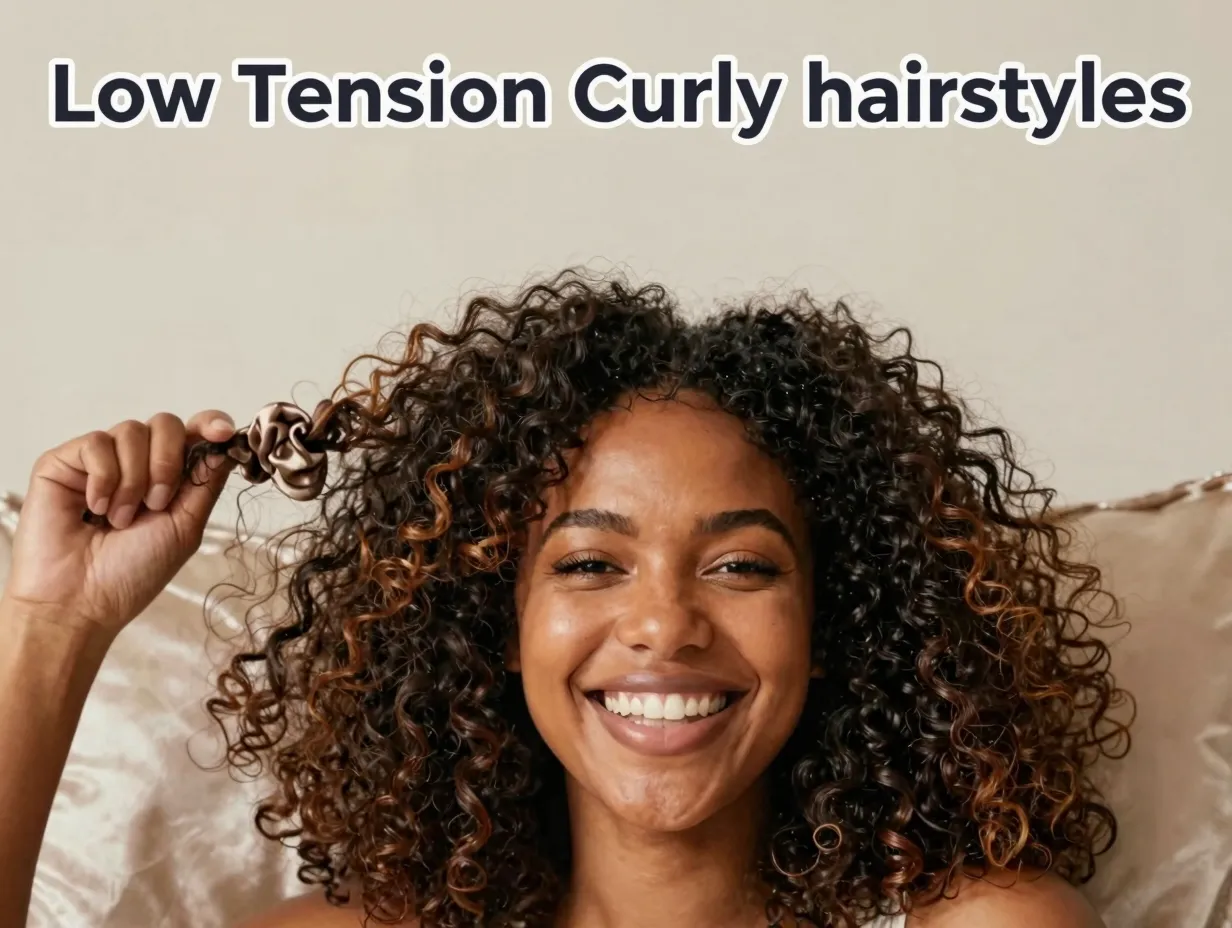
Low-tension hairstyles are styles that don’t pull heavily on the scalp or hairline, keeping weight and friction to a minimum while still allowing for easy cleansing and moisturizing [2]. Whether you’re dealing with fine curls, thick coils, or anything in between, these styles work with your natural texture — not against it. Let’s break down each one so you can start protecting your hair today.
Key Takeaways 📌
- Tension is the enemy: Styles that pull tightly at the root cause traction alopecia, scalp inflammation, and edge thinning over time.
- Low-tension styles are not boring: From wash-and-gos to Senegalese twists, protective and stylish options abound.
- Warning signs matter: Throbbing, bumps, or shiny stretched skin at the hairline mean a style needs to come out immediately [2].
- Maintenance is simple: Weekly scalp cleansing, moisture layering, and sleeping on satin keep low-tension styles healthy and lasting longer [2].
- Fine or thinning hair has specific options: Larger parts, flat twists, and loose buns are safest for fragile strands [2].
Why Low-Tension Styles Are a Game-Changer for Curly Hair
Before diving into the list, it helps to understand why tension is so damaging. When a style pulls consistently at the root — think tight box braids, high ponytails, or micro braids — it puts repeated stress on the hair follicle. Over time, this stress inflames the follicle, weakens the root, and eventually causes permanent hair loss, especially at the temples and edges [6].
Low-tension styles work differently. They distribute weight evenly along the strand rather than anchoring it at the scalp, which means your follicles get to rest and recover [2]. These styles are also easier to maintain mid-week, promote natural growth cycles, and look effortlessly natural [6].
💬 “The goal isn’t just a cute style — it’s a style your scalp can actually survive.”
Who Benefits Most from Low-Tension Curly Hairstyles?
| Hair Type | Biggest Risk | Best Low-Tension Options |
|---|---|---|
| Fine / Thinning | Breakage at root | Flat twists, loose buns, jumbo braids |
| 4C Coils | Dryness + tension | Wash-and-go, two-strand twists |
| 3A/3B Curls | Frizz + pulling | Pineapple, claw-clip updo |
| Color-treated | Fragility + tension | Twist-outs, flat twists |
| Postpartum hair | Shedding + tension | Two-strand twists, loose updos |
The Complete Guide to 9 Low Tension Curly Hairstyles to Protect Your Hair and Scalp
Here are all nine styles, numbered in order, with everything you need to know about each one.
1. Wash-and-Go
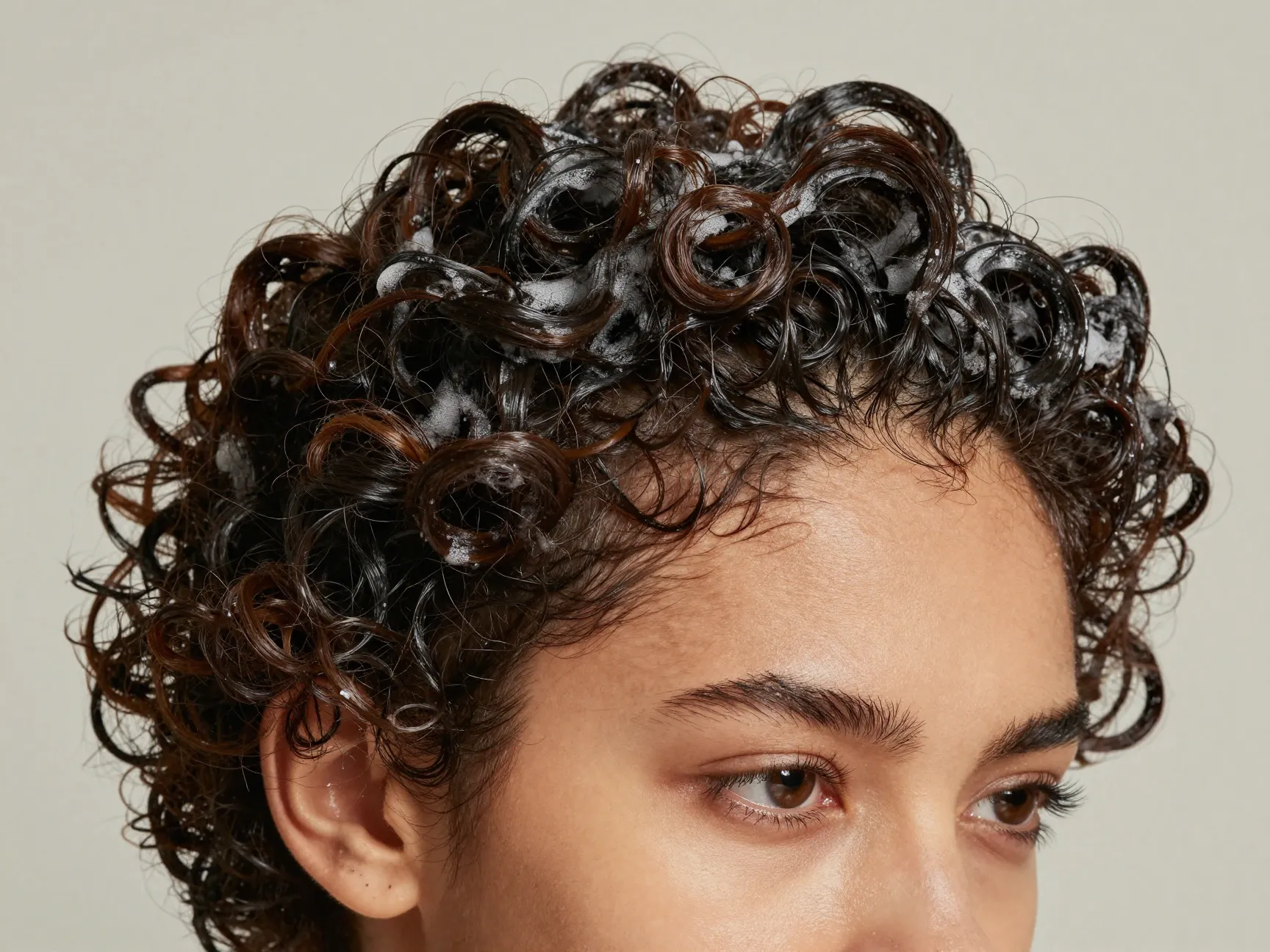
The wash-and-go is arguably the most scalp-friendly style on this list. There are no braids, no anchoring, no pulling — just your natural curl pattern enhanced with product. You wash, condition, apply a curl cream or gel, and let your curls do their thing.
Why it works: Because there is zero manipulation at the root, your scalp experiences no tension whatsoever. This makes it ideal for people recovering from traction alopecia or those with sensitive edges [2].
How to maintain it:
- Refresh with a water-and-leave-in mist mid-week
- Sleep with a satin bonnet or on a satin pillowcase to reduce friction [2]
- Avoid touching or disrupting the curl clumps while drying
Best for: All curl types, especially 3A to 4C textures looking for a quick, everyday style.
2. Twist-Out
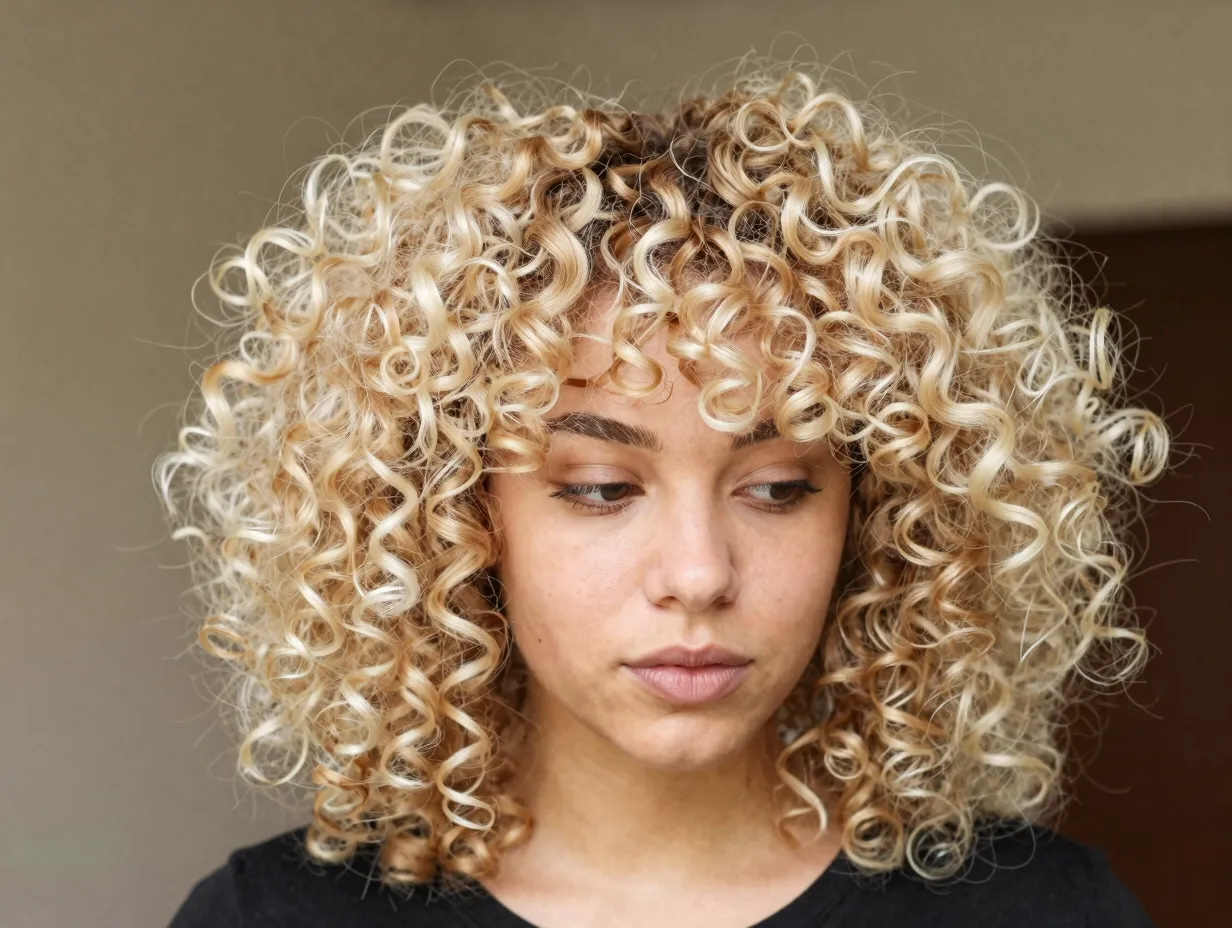
A twist-out gives you the definition of a set style without the tension of braids or extensions. You twist sections of your hair while damp, let them dry fully, then unravel them for a stretched, defined curl pattern.
Why it works: The twists sit loosely at the root and are not anchored with knots, so there is minimal pulling on the follicle. The result is a fluffy, voluminous look that feels light on the scalp [2].
Pro tip 💡: Always use a light oil or cream under your twist product to lock in moisture. When unraveling, start from the tip and work upward to avoid frizz and breakage.
Longevity: 3–5 days with proper nighttime care (pineapple + satin bonnet).
3. Flat Twists
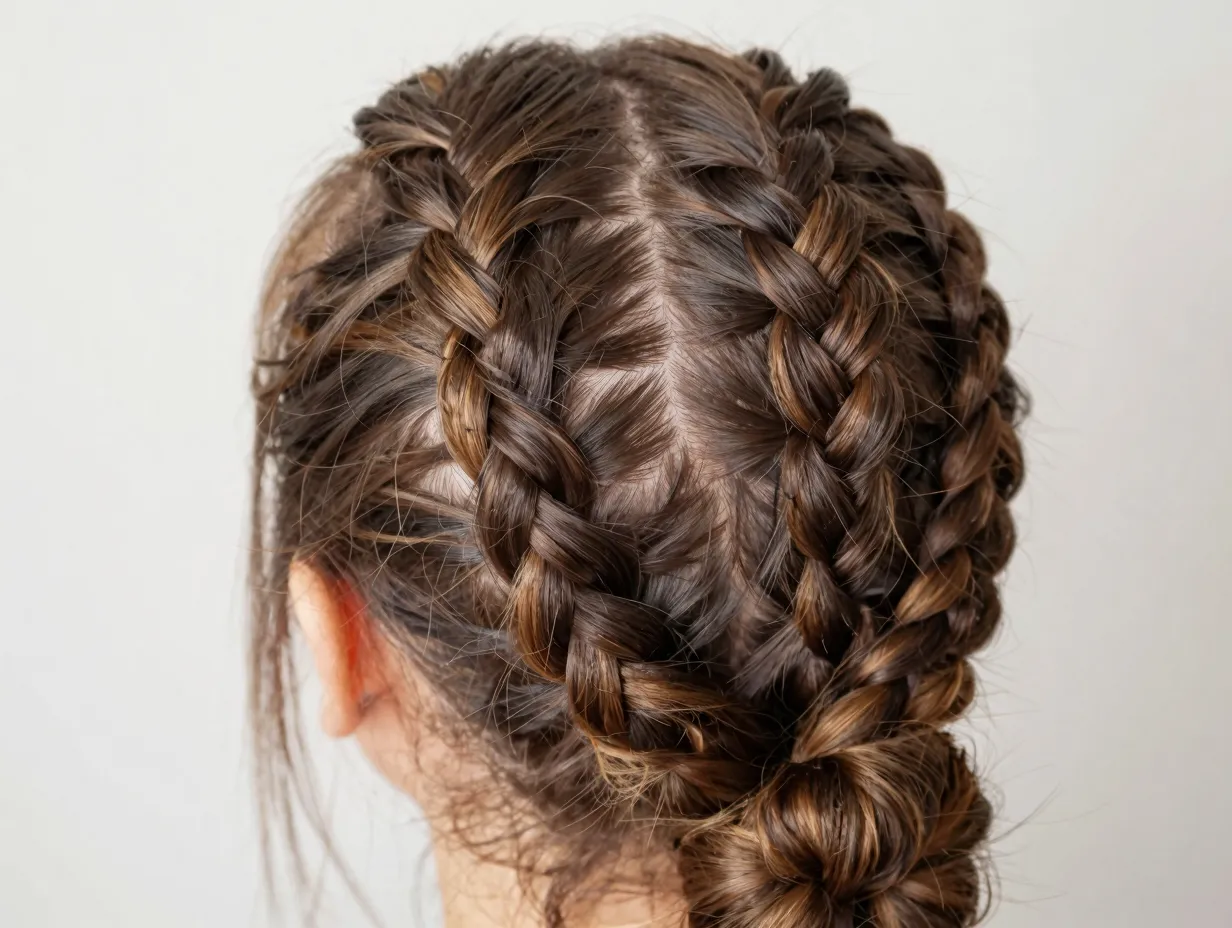
Flat twists are the low-tension cousin of cornrows. Instead of braiding three strands under tension, you twist two strands flat against the scalp in a pattern of your choice. The key difference? Flat twists require far less pulling to stay in place.
Why it works: The twisting motion distributes tension across a wider surface area rather than concentrating it at a single anchor point. This makes flat twists one of the safest styles for fine or thinning hair [2].
Style variations:
- Two flat twists going straight back
- Flat twist updo with a loose bun at the nape
- Flat twists on the front, free-hanging twists at the back
Best for: Fine hair, postpartum shedding, and anyone transitioning from relaxed to natural hair.
4. Two-Strand Twists (Without Added Hair)
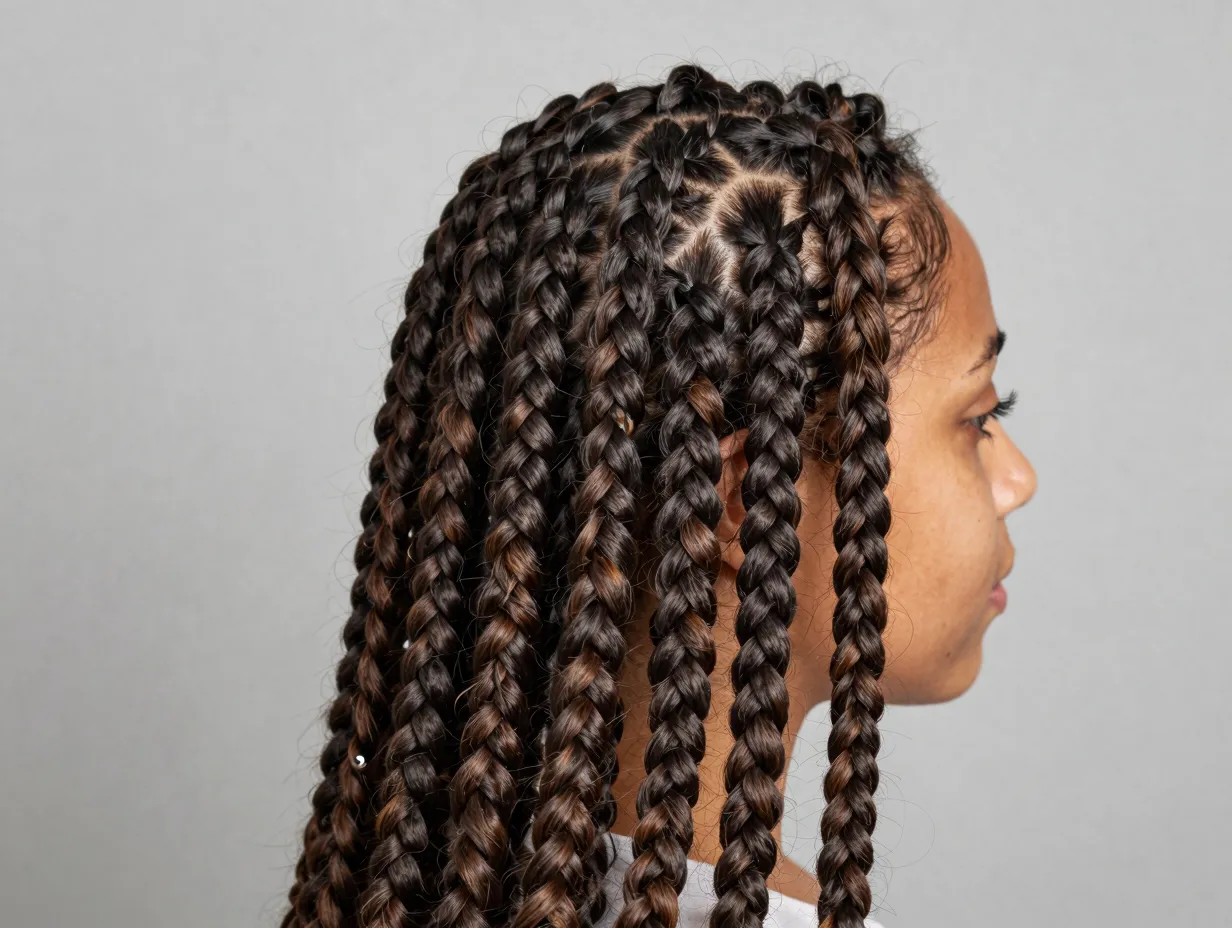
Two-strand twists done with your own natural hair — no extensions, no added weight — offer zero tension at the root [2]. Because there are no anchor knots and no extension hair pulling downward, the scalp and edges get a true rest.
Why it works: Weight is spread evenly along the strand rather than concentrated at the root. This is especially important for people with thinning edges or scalp sensitivity [2].
Maintenance routine:
- Cleanse the scalp weekly with a diluted shampoo in a nozzle bottle [2]
- Apply a soothing scalp tonic after cleansing to promote scalp health
- Re-twist any loose sections every 7–10 days
💬 “Two-strand twists without extensions are one of the most underrated low-tension options — they look polished and cost nothing extra.”
5. Pineapple Updo
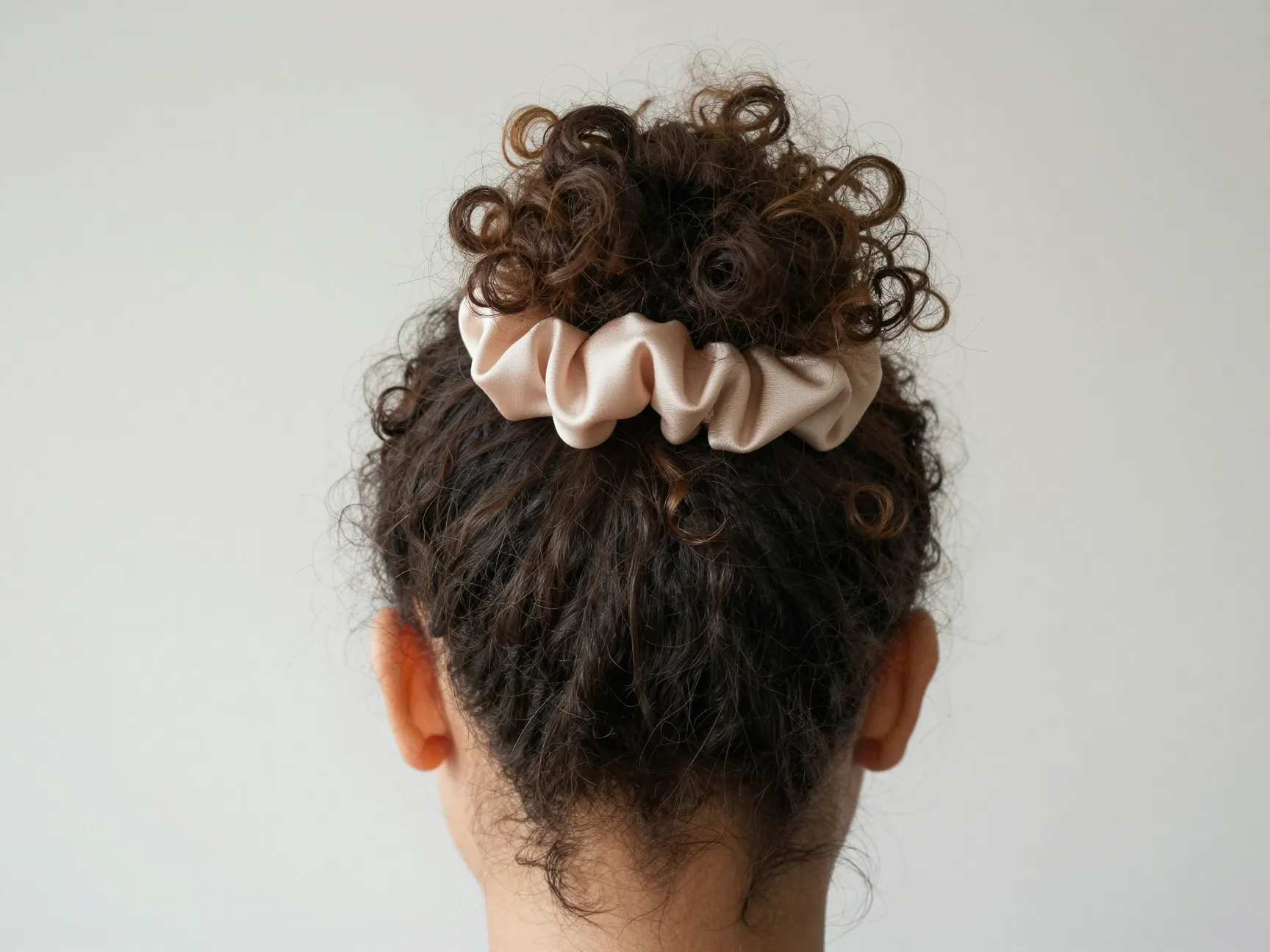
The pineapple is a loose, high gathering of your curls at the very top of your head, secured with a silk or satin scrunchie — never an elastic band. It is most commonly used as a nighttime style or a quick refresh look on non-wash days [4].
Why it works: A silk scrunchie distributes pressure across a wide surface area and does not dig into the hair shaft the way a regular elastic does. Because the pineapple sits at the very top of the head (not at the nape or sides), it avoids the most tension-sensitive areas of the hairline [4].
When to use it:
- 🌙 Nighttime protection to preserve curl definition
- 🏃 Quick gym or errand style
- Day 3+ curl refresh without re-washing
Best for: 3A to 4B curl types with enough length to gather at the crown.
6. Claw-Clip Updo
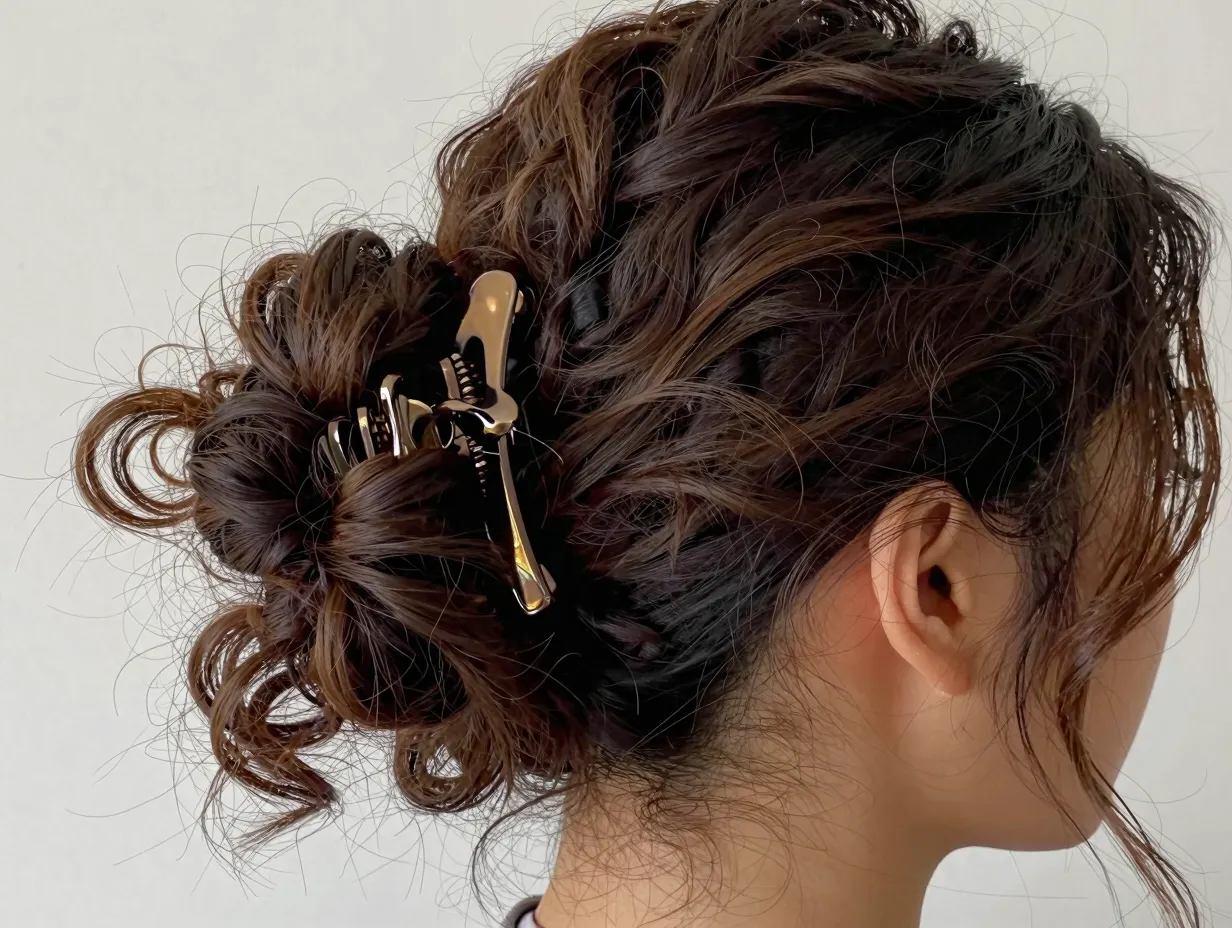
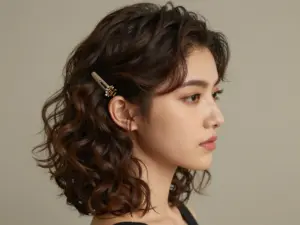
The claw-clip updo has made a massive comeback — and for good reason. When done correctly, a claw clip distributes tension across the clip mechanism rather than concentrating it on a single elastic point [3]. This makes it significantly gentler on curly and wavy textures.
Why it works: Unlike a ponytail holder that wraps around the hair shaft multiple times, a claw clip holds hair in a loose bundle. There is no elastic pulling at the roots, and the style can be adjusted or removed in seconds [3].
How to do it:
- Gather hair loosely at the nape or mid-head
- Twist loosely once or twice
- Clip with a large claw clip — the bigger, the better for thick curls
- Pull out a few face-framing pieces for a relaxed finish
Best for: 2C to 4A textures, especially on humid days when you want curls off your neck.
7. Two Braids (Jumbo / Loose)
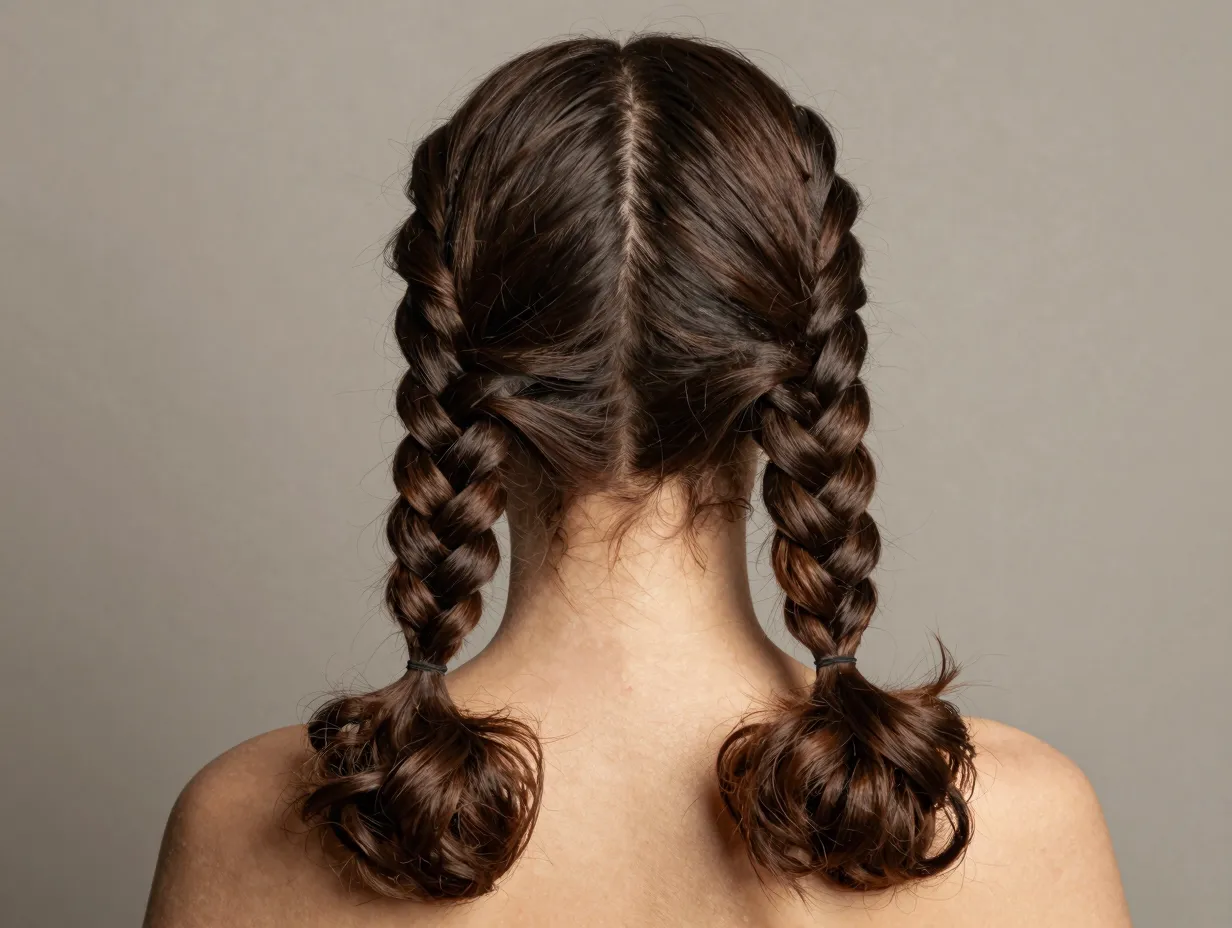
Two braids — one on each side — are a classic protective style that, when done loosely with larger sections, create very little tension at the scalp [2]. The key word here is loose. Tight two braids can pull at the temples; jumbo, relaxed two braids let the scalp breathe.
Why it works: Larger braid sections mean fewer anchor points along the scalp. When the braid begins loosely at the root, the follicle is not stressed [2].
Tips for keeping tension low:
- Ask your stylist to start each braid at least a half-inch from the scalp
- Avoid braiding wet hair too tightly — it shrinks as it dries and increases tension
- Use a light edge control (not gel) at the hairline to smooth without pulling
Longevity: 1–2 weeks with a satin bonnet at night.
8. Jumbo Box Braids or Senegalese Twists
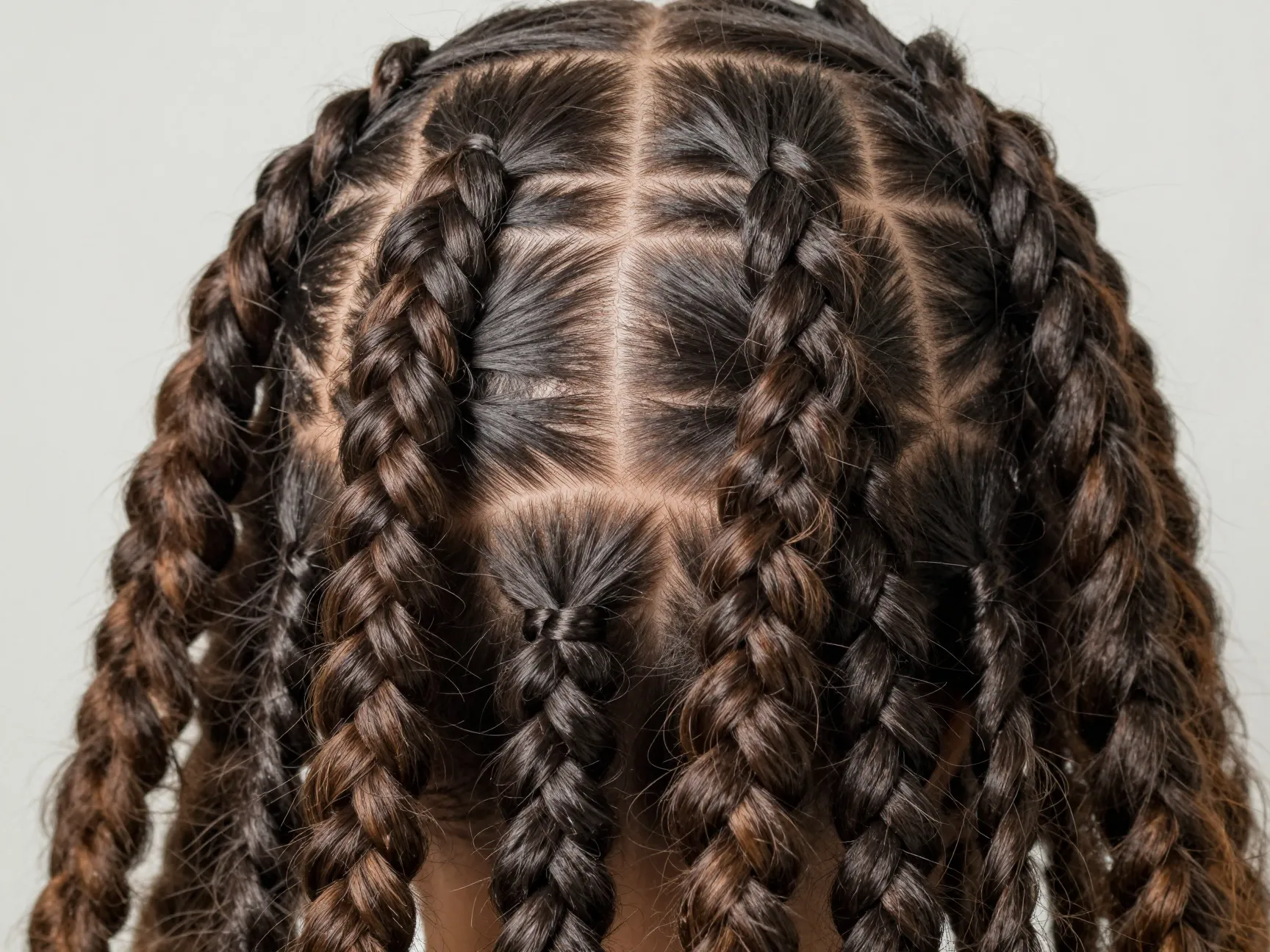
Jumbo box braids and Senegalese twists with larger parting sections are significantly gentler on the scalp than their smaller counterparts [2]. Micro braids and small box braids concentrate a lot of weight on tiny sections of scalp — jumbo versions spread that weight across a larger area.
Why it works: Bigger parts mean less tension per follicle. When extension hair is added loosely (not wrapped tightly at the root), the style becomes a true low-tension protective option [2] [7].
What to watch for ⚠️:
- Throbbing or aching within the first 48 hours = too tight
- Bumps or pimples along the hairline = inflammation from tension
- Shiny, stretched skin at the temples = take the style down immediately [2]
Recommended wear time: No more than 6–8 weeks to allow the scalp to breathe and be properly cleansed [7].
Best for: All curl types, especially those wanting a longer-lasting protective style without sacrificing scalp health.
9. Loose Low Bun or Updo
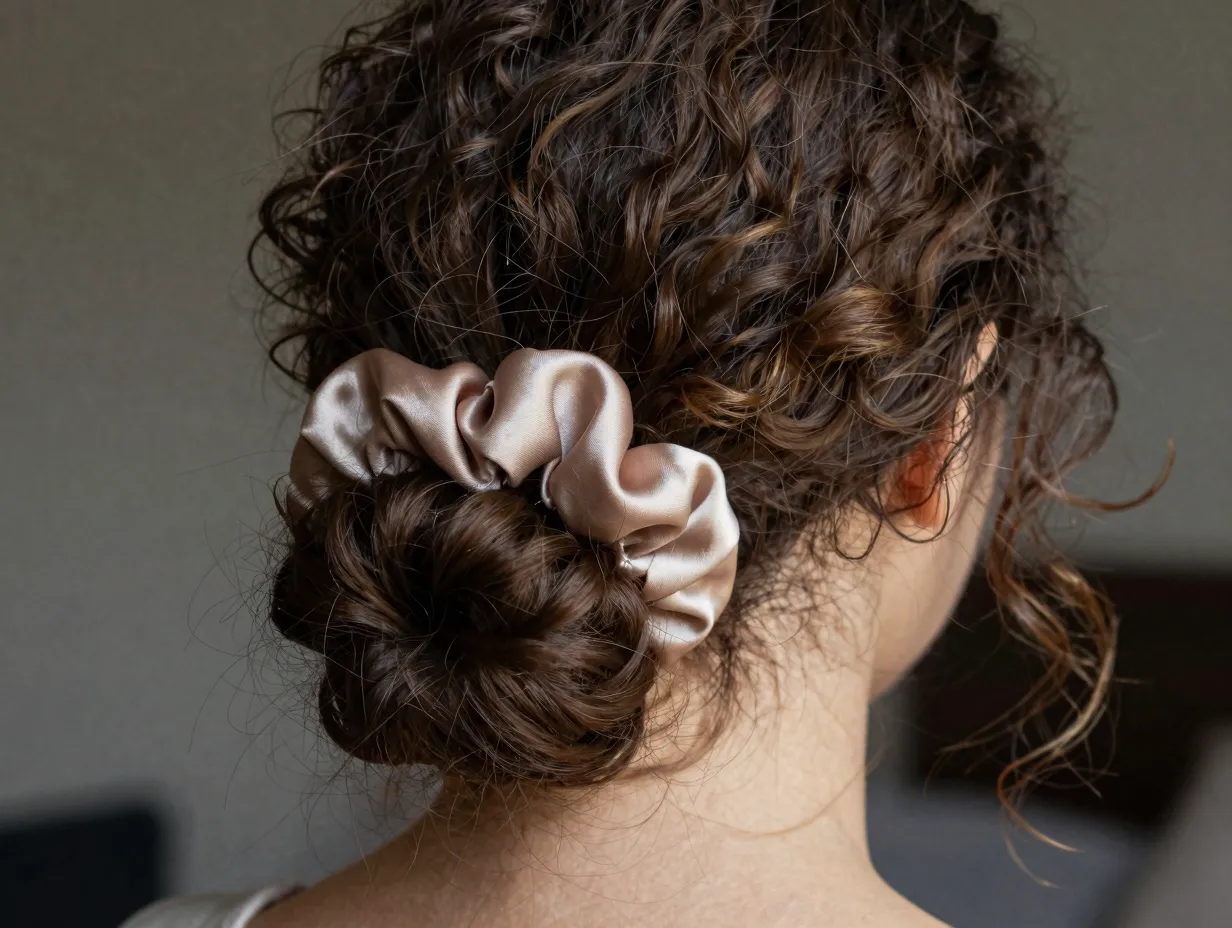
A loose low bun — gathered at the nape of the neck and secured with a satin scrunchie or soft hair tie — is one of the simplest and most effective low-tension styles available [2]. Unlike a high ponytail or sleek bun that requires slicking hair back tightly, a loose low bun allows curls to gather naturally without pulling.
Why it works: Positioning the bun at the nape (rather than the crown or sides) avoids the most tension-sensitive zones of the hairline. A loose gather means no single section of scalp bears all the weight [2].
Variations to try:
- Messy bun with loose tendrils at the temples
- Low bun with flat twists leading back from the front
- Half-up, half-down loose bun for a casual look
Pro tip 💡: Layer a leave-in conditioner under a light oil before styling to keep moisture locked in. Mid-week, mist with water and a little conditioner to refresh without re-doing the style [2].
How to Maintain Low-Tension Styles for Maximum Scalp Health
Choosing one of the 9 Low Tension Curly Hairstyles to Protect Your Hair and Scalp is only half the battle. Maintenance is what makes the difference between a style that helps your hair grow and one that quietly causes damage over weeks.
Weekly Scalp Care Routine
- Cleanse the scalp weekly (or as needed) using a diluted shampoo in a nozzle applicator bottle. This gets product to the scalp without disturbing the style [2].
- Tone with a soothing scalp tonic after cleansing — look for ingredients like peppermint, tea tree, or aloe vera to calm inflammation [2].
- Moisturize by layering a leave-in conditioner under a light oil or cream to seal in hydration [2].
- Protect at night with a satin bonnet or pillowcase to reduce friction and prevent frizz [2].
- Mist mid-week with a water-and-leave-in spray to refresh curls without full re-washing [2].
Moisture Retention Tips by Style
| Style | Best Moisture Method |
|---|---|
| Wash-and-go | Mid-week water + curl refresher spray |
| Two-strand twists | Light oil on the twist surface nightly |
| Flat twists | Scalp oil + edge tonic weekly |
| Pineapple / Claw-clip | Satin bonnet + leave-in mist |
| Jumbo box braids | Diluted shampoo nozzle + scalp oil |
Warning Signs Your Style Is Too Tight
Even well-intentioned styles can cross the line into damaging territory. Here are the red flags to watch for immediately after installation [2]:
- 🔴 Throbbing or aching at the scalp within hours of styling
- 🔴 Small bumps or pimples forming along the hairline or part lines
- 🔴 Shiny, stretched skin at the temples or edges
- 🔴 Difficulty sleeping due to scalp discomfort
- 🔴 Headaches that start after a style is installed
What to do: Do not wait it out. Loosen or remove the style immediately. Waiting even 24–48 hours can cause follicle damage that takes months to reverse [2].
Special Considerations for Fine or Thinning Hair
If your hair is fine, fragile, or experiencing thinning, the standard advice about low-tension styles still applies — but with extra caution. Here is what works best [2]:
✅ Safe options:
- Flat twists (gentle on fine strands)
- Two Dutch or French braids with large sections
- Loose low buns with satin scrunchies
- Jumbo box braids or Senegalese twists with larger parts
❌ Avoid:
- Micro braids (too much weight per follicle)
- Tight ponytails (elastic cuts into fine strands)
- High buns that pull at the hairline
- Any style that requires slicking edges back tightly
💬 “For fine or thinning hair, the rule is simple: if it pulls, it goes.”
Conclusion: Start Protecting Your Hair Today
Your hair deserves styles that work for it, not against it. The 9 Low Tension Curly Hairstyles to Protect Your Hair and Scalp covered in this article — from the effortless wash-and-go to the versatile jumbo box braid — prove that you never have to choose between looking great and keeping your scalp healthy.
Your Actionable Next Steps 🎯
- Audit your current style. Does it pull at your edges or cause discomfort? If yes, plan your transition to a lower-tension option.
- Pick one style from this list that matches your curl type and lifestyle and try it this week.
- Set up a weekly scalp care routine using a nozzle shampoo bottle and a soothing scalp tonic.
- Invest in satin. A satin bonnet or pillowcase is the single cheapest upgrade you can make for your hair health.
- Know your warning signs. If a style throbs, bumps, or stretches your skin — take it down. No style is worth permanent hair loss.
Healthy hair is not about doing less — it is about doing smarter. Start with one low-tension style, build your maintenance routine, and watch your edges, length, and confidence grow.
References
[1] lemon8-app – https://www.lemon8-app.com/@drjazzyj23/7484995059402900014?region=us
[2] Low Tension Hairstyles Ideas – https://un-ruly.com/low-tension-hairstyles-ideas/
[3] Low Tension Hairstyles – https://therighthairstyles.com/low-tension-hairstyles/
[4] 5 Low Tension Hairstyles To Try On Your Curls – https://discocurls.com/5-low-tension-hairstyles-to-try-on-your-curls/
[5] Low Tension Curly Hairstyles – https://bellebeautyhacks.com/low-tension-curly-hairstyles/
[6] Low Tension Hairstyles Healthy Textured Hair – https://www.essence.com/beauty/low-tension-hairstyles-healthy-textured-hair/
[7] Protective Hairstyles For Curly Hair – https://www.virtuelabs.com/blog/protective-hairstyles-for-curly-hair.html