8 Dyed Hair Ideas for Brunettes That Are Surprisingly Low-Key
Nearly 72% of women who color their hair cite high maintenance as their biggest frustration — yet most hair color guides push bold, high-contrast transformations that demand salon visits every four to six weeks. That disconnect is exactly why the 8 dyed hair ideas for brunettes that are surprisingly low-key covered in this guide exist. These are not compromise options. They are smart, technique-driven choices that look intentional, expensive, and effortlessly natural — without chaining you to a monthly color appointment.
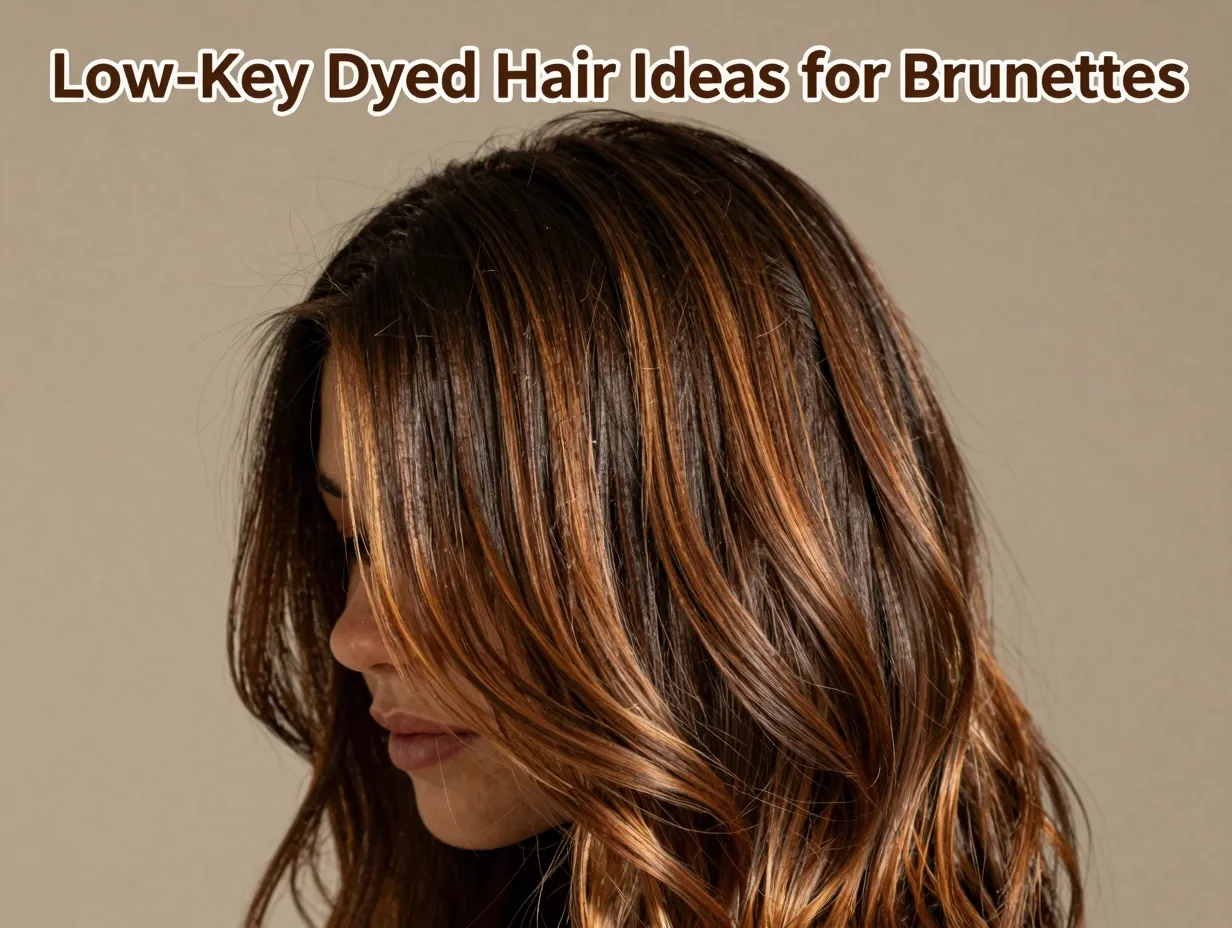
Whether you have dark espresso locks or a warm medium brown, there is a low-key color approach here that will elevate your look while respecting your schedule and budget.
Key Takeaways
- ✅ Low-maintenance color is about technique, not just shade — methods like balayage, root smudging, and babylights grow out gracefully without harsh lines [2]
- ✅ Brunettes have more flexibility than they think — subtle warm and cool tones can add serious dimension without dramatic change
- ✅ Touch-up frequency matters — the right technique can stretch salon visits to every 3–6 months
- ✅ Dimensional color creates the illusion of healthier, thicker hair even with minimal color change
- ✅ Choosing the right undertone (warm vs. cool) for your skin tone is the single most important decision before coloring
Why Low-Maintenance Brunette Color Is a Technique Game
Before diving into the specific looks, it helps to understand why some hair colors feel effortless while others become a chore. The secret is not the shade itself — it is the application technique. [2]
Techniques like balayage, babylights, root smudging, and ombré are designed to blend seamlessly with your natural hair as it grows. Instead of creating a sharp line between colored and uncolored hair, these methods feather, diffuse, or smudge the transition zone. The result? Grow-out looks intentional rather than neglected. [2]
💡 “The most low-maintenance color is the one that looks just as good at week twelve as it did on day one.”
This is the philosophy behind every idea on this list. Each one works with your natural brunette base rather than fighting it.
The 8 Dyed Hair Ideas for Brunettes That Are Surprisingly Low-Key
Here is a closer look at each technique and style — what it is, who it suits, and why it stays beautiful between appointments.
1. Chestnut Balayage
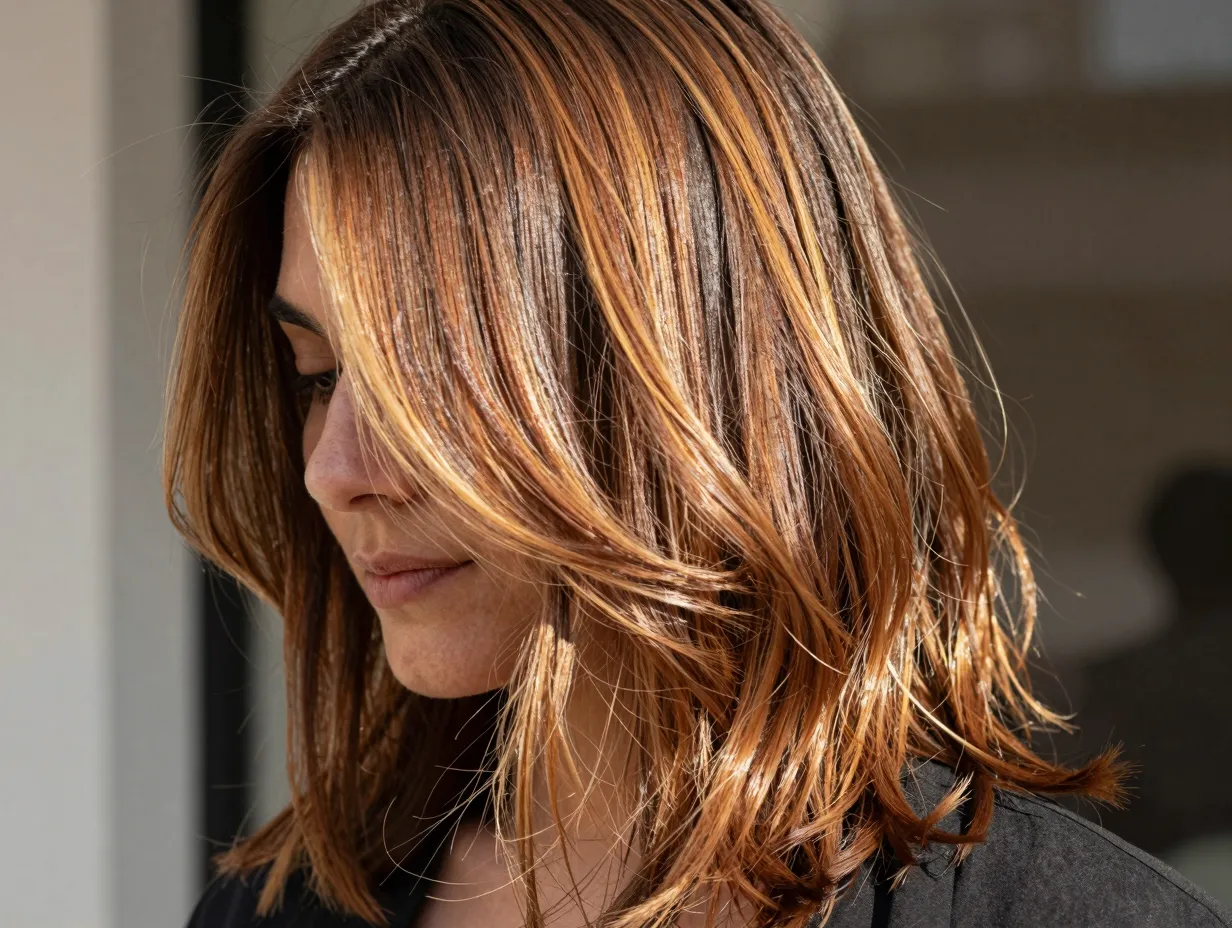
Best for: Medium to dark brown hair | Undertone: Warm | Touch-up frequency: Every 12–16 weeks
Chestnut balayage adds warm, golden-brown ribbons throughout medium-dark brunette hair. The word balayage comes from the French word for “sweeping,” and that is exactly how colorists apply it — sweeping lightener onto sections of hair freehand, concentrating it toward the mid-lengths and ends. [1]
Because the color is kept away from the roots, there is no harsh regrowth line. As your natural hair grows in, the chestnut tones simply look like natural sun-kissed warmth. This technique is particularly flattering on warm-toned skin, adding richness without looking overdone.
What makes it low-key:
- No foils pressed against the scalp
- Roots grow in naturally with zero contrast
- Warm tones complement most brunette bases without bleaching to platinum
2. Mushroom Bronde
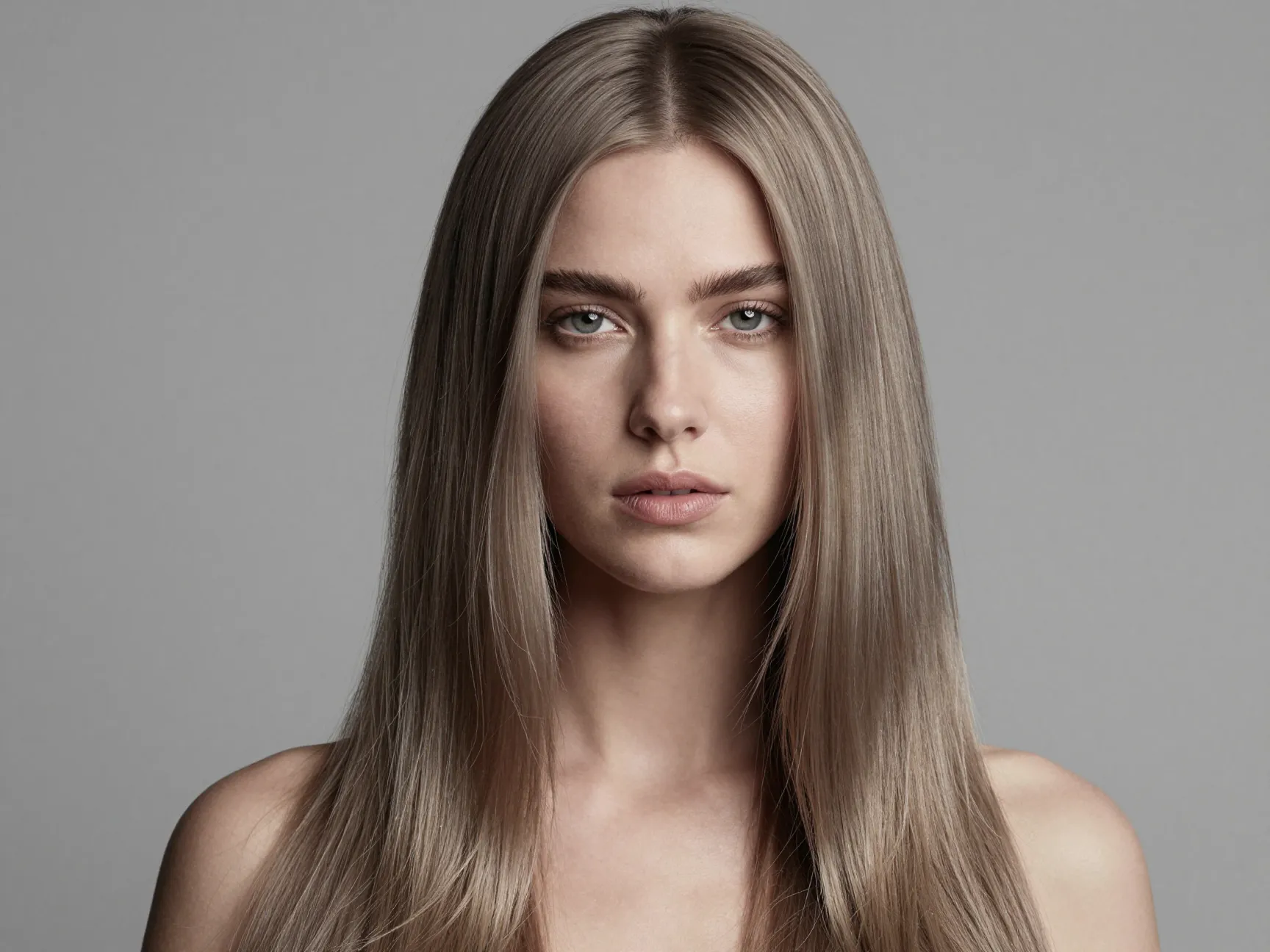
Best for: Medium brown hair | Undertone: Cool/Ashy | Touch-up frequency: Every 10–14 weeks
Mushroom bronde sits beautifully between brunette and blonde — hence the portmanteau. It leans cool and ashy, with muted, earthy tones that feel very current and editorial. Think of it as the sophisticated cousin of traditional highlights. [1]
This shade is particularly popular in autumn and winter because its cool, desaturated tones complement the season’s palette. It works especially well on those with neutral to cool skin undertones who find warm caramel tones too yellow or brassy.
| Feature | Mushroom Bronde | Traditional Highlights |
|---|---|---|
| Undertone | Cool, ashy | Warm, golden |
| Grow-out visibility | Minimal | Moderate |
| Bleach level required | Low to medium | Medium to high |
| Best season | Fall/Winter | Spring/Summer |
Pro tip: Ask your colorist for a toner gloss between appointments to maintain the ashy tone and prevent brassiness.
3. Toffee Brunette
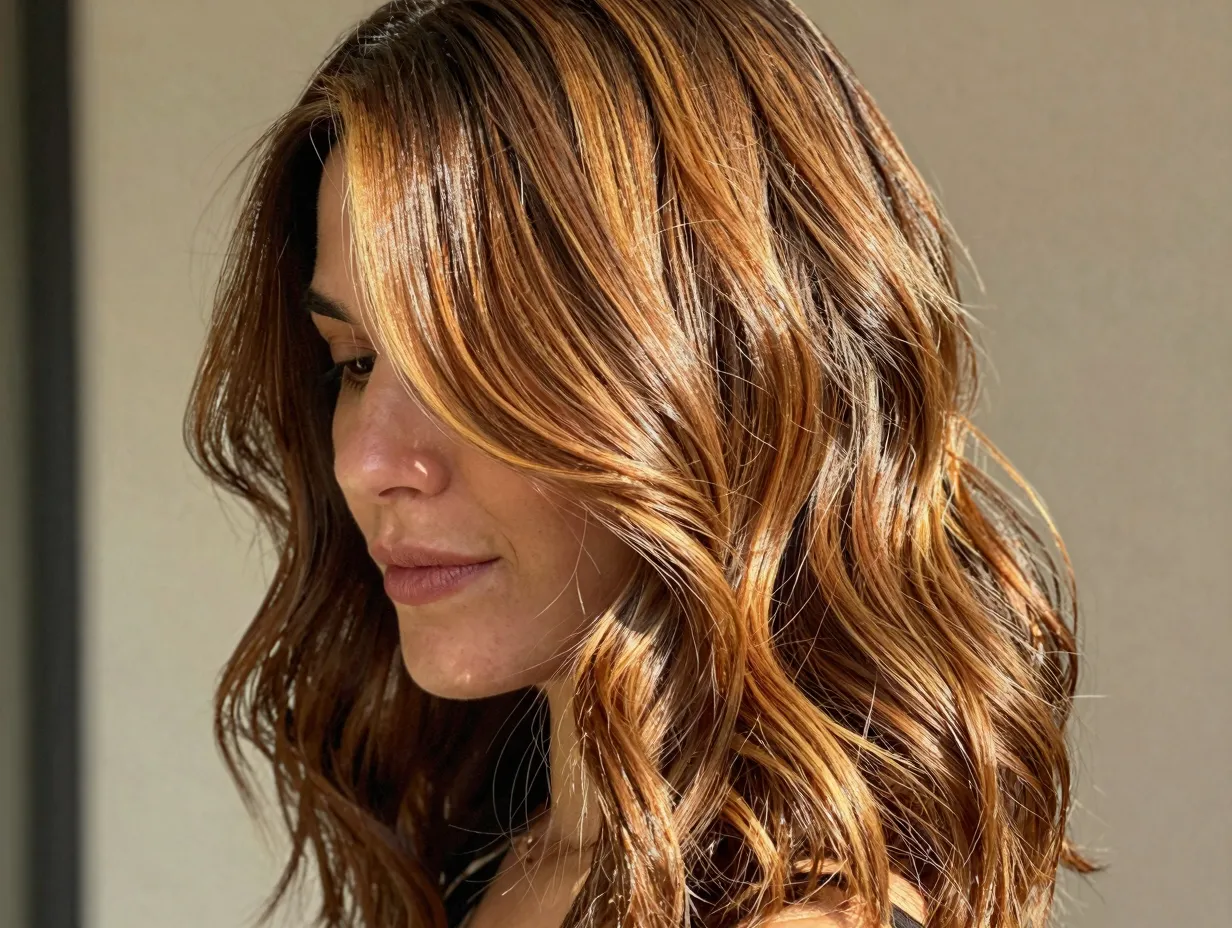
Best for: Light to medium brown hair | Undertone: Warm | Touch-up frequency: Every 10–12 weeks
Toffee brunette is one of those colors that looks like you were born with it — even though you were not. It combines a medium brown base with caramel and amber highlights, creating a multi-dimensional effect that reads as naturally sun-lit. [1]
The key to its low-maintenance appeal is built-in depth. Because the base stays close to your natural color and the highlights are placed strategically (not uniformly), the overall look has movement and richness without requiring precise root coverage. The effect is what colorists call “expensive-looking” — that effortless, dimensional quality you see on celebrities who claim they “do nothing” to their hair.
Toffee brunette works best when:
- Your natural base is between Level 4 and Level 6 (light to medium brown)
- You want warmth without going full caramel blonde
- You prefer a look that photographs beautifully in natural light
4. Cold Brew Brunette
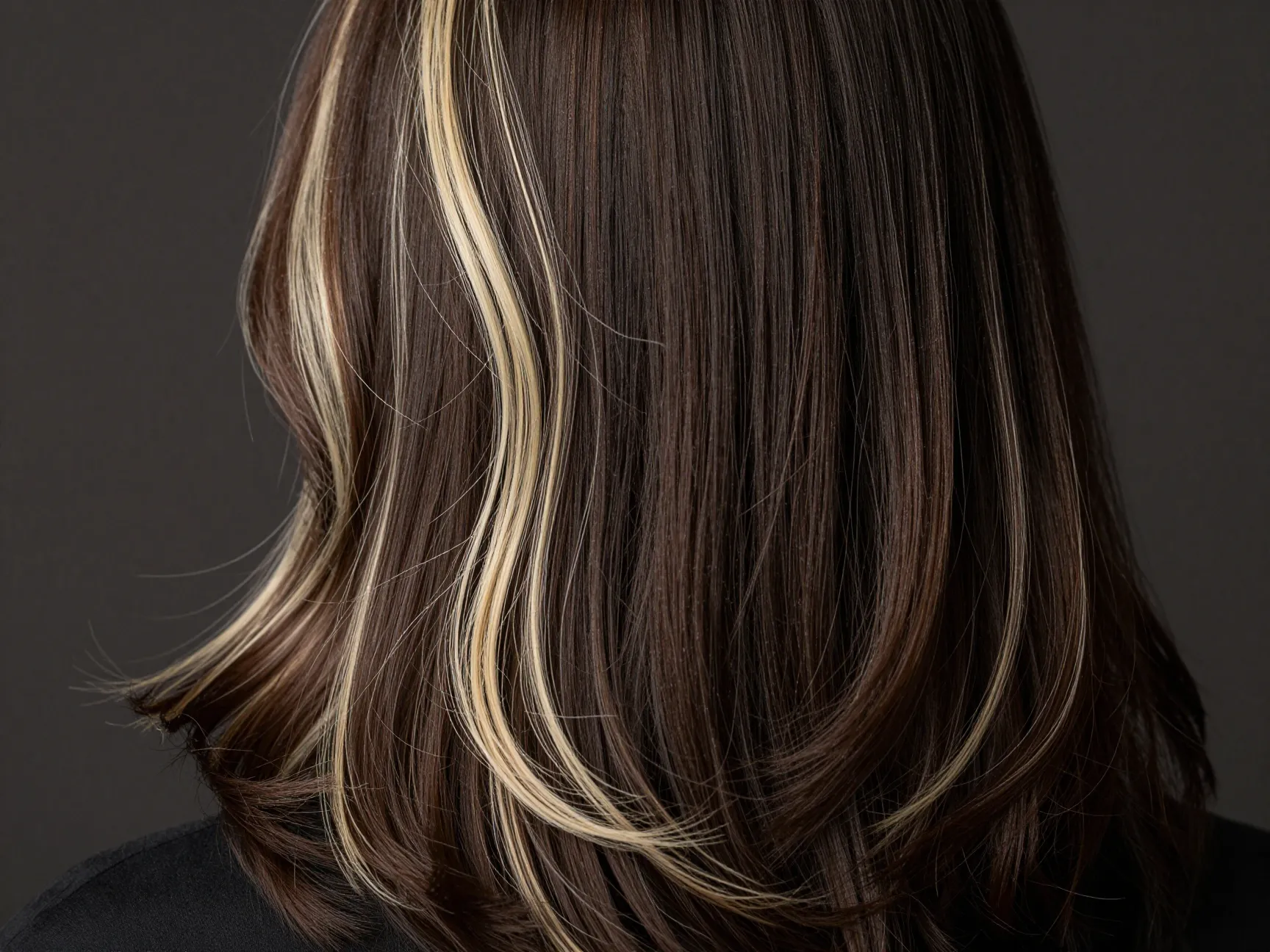
Best for: Dark brown to near-black hair | Undertone: Neutral to warm | Touch-up frequency: Every 12–16 weeks
The name says it all. Cold brew brunette mimics the visual of milk being poured into dark coffee — lighter, creamy tones swirled against a rich, dark base. The result is hyper-dimensional without being dramatic. [1]
This technique is a gift for women with very dark brown or near-black hair who want something different but are not ready for a major lightening process. The lighter tones are placed selectively, often using a combination of balayage and babylights (very fine, delicate highlights that mimic the natural variation of a child’s hair).
🎨 Cold brew brunette is one of the few techniques that makes dark hair look lighter and more dimensional without requiring aggressive bleaching.
Maintenance reality check:
- Darker bases mean less visible grow-out
- Lighter swirled tones stay concentrated in mid-lengths and ends
- A single gloss treatment every 8 weeks keeps the contrast fresh
5. Brownie Batter Highlights
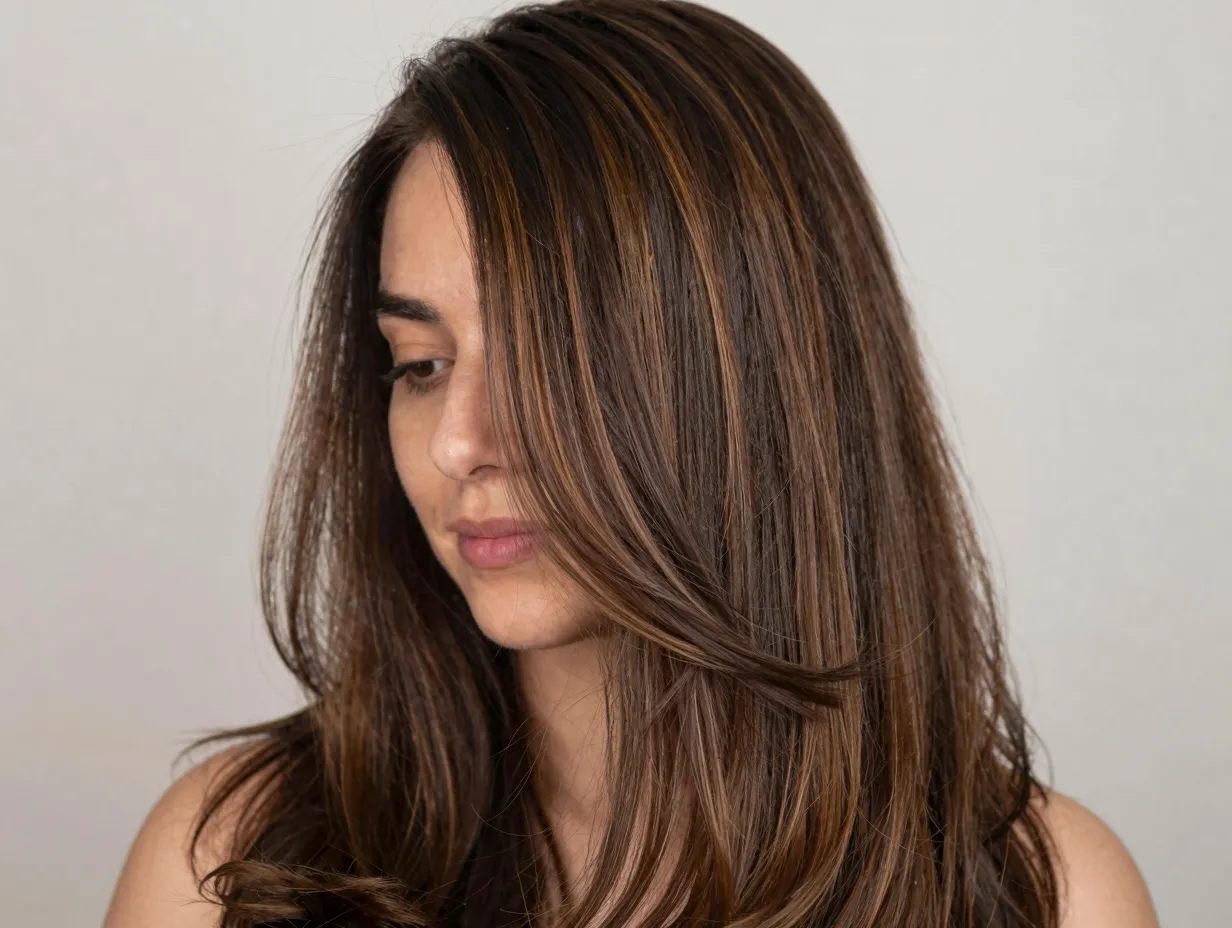
Best for: All brunette shades | Undertone: Neutral to warm | Touch-up frequency: Every 8–12 weeks (with speed glaze)
Brownie batter highlights are the ultimate “no one will know you colored your hair” option. This look uses subtle chocolate brunette tones — just a shade or two lighter and warmer than your natural base — placed throughout the hair to create depth and movement. [3]
What makes this technique particularly clever is its grow-out strategy. Because the highlight color is so close to the natural root color, regrowth is virtually invisible. Touch-ups can be done with a quick speed glaze — a semi-permanent gloss treatment that takes under 30 minutes — rather than a full highlight appointment. [3]
Why colorists love this technique:
- Extremely forgiving on all brunette shades
- Clients leave the salon looking naturally polished
- Low risk of over-processing or damage
- Works beautifully on fine, thin, or fragile hair
6. Root Smudging
Best for: Any brunette with existing color | Undertone: Matches your base | Touch-up frequency: Every 12–20 weeks
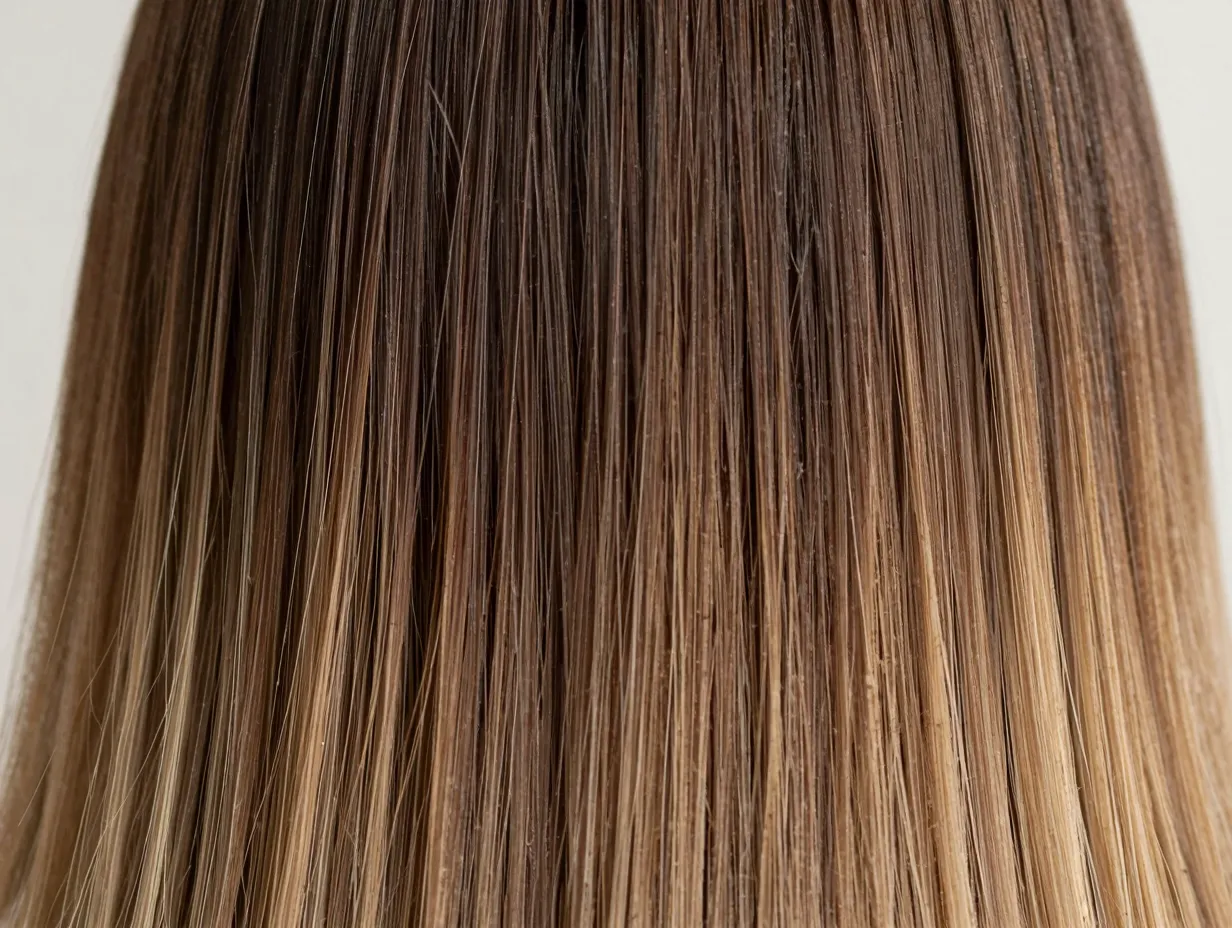
Root smudging is less a “color” and more a technique that makes any color low-maintenance. The process involves applying a darker, root-matching shade to the first inch or two of the hair shaft, then blending it downward into the existing color. [2]
The result is a soft, seamless transition that eliminates the harsh line between your natural roots and your colored lengths. Instead of a clear demarcation that screams “she needs a touch-up,” root smudging creates a gradient that looks intentional at any stage of grow-out.
💬 Root smudging is the single best technique for anyone who wants to go longer between salon visits without looking like they forgot about their hair.
Root smudging is ideal if you:
- Already have balayage or highlights and want to extend wear time
- Have naturally dark roots and lighter ends
- Want to transition to a more natural look gradually
- Are growing out a previous color treatment
7. Honey Highlights
Best for: Medium brown hair | Undertone: Warm golden | Touch-up frequency: Every 10–14 weeks
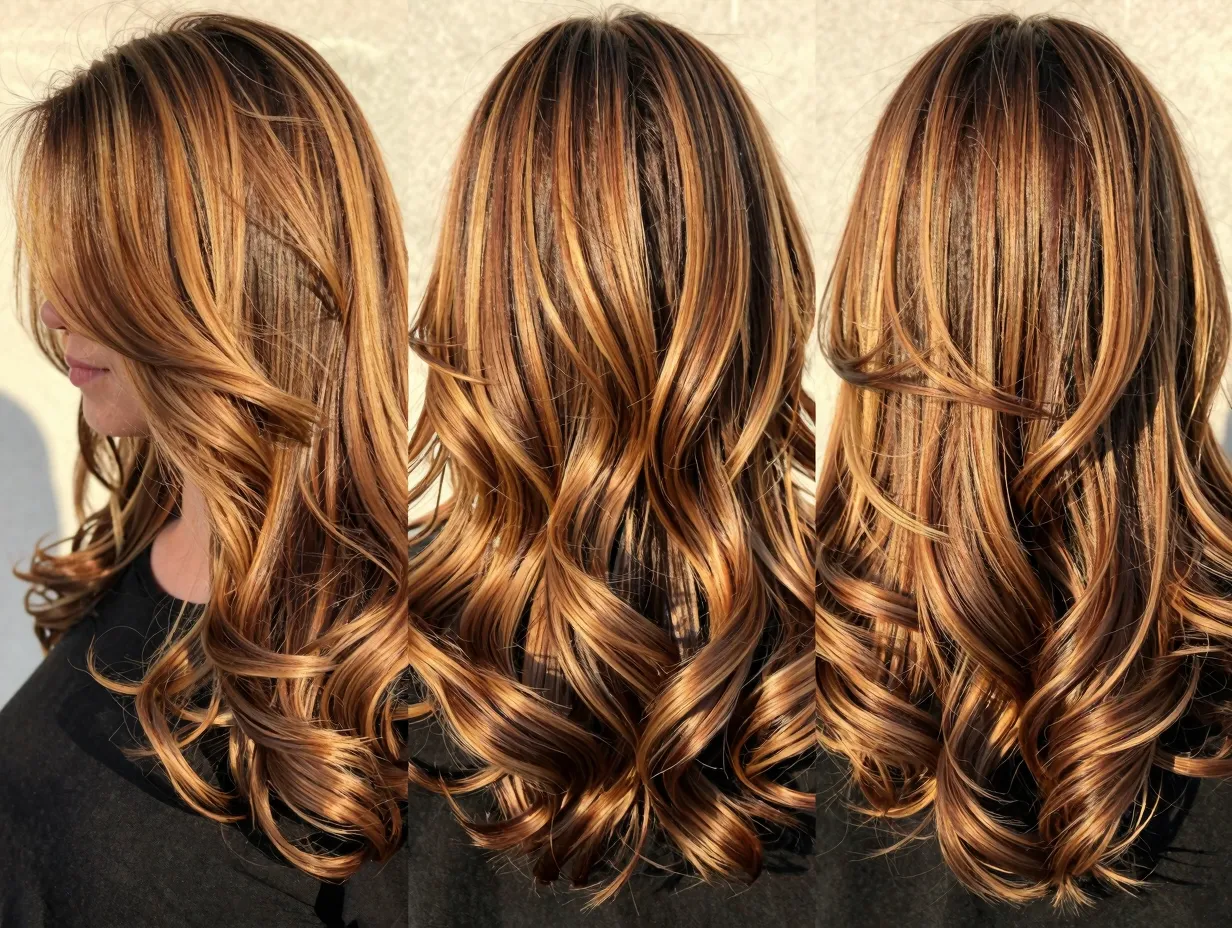
Honey highlights are the definition of sun-kissed. This technique uses both highlights (lighter strands) and lowlights (slightly darker strands) to create a layered, dimensional effect that mimics the way sunlight naturally lightens hair over a summer season. [1]
The combination of lighter honey tones and slightly deeper chocolate lowlights gives medium brown hair an incredible sense of depth and warmth. It is a particularly effective technique for hair that looks flat or one-dimensional in its natural state.
| Highlight Type | Effect | Placement |
|---|---|---|
| Honey highlights | Brightens, warms | Face-framing, mid-lengths |
| Chocolate lowlights | Adds depth | Underneath layers, roots |
| Combined result | 3D dimension | Throughout all sections |
Skin tone guide for honey highlights:
- Warm skin (golden, olive): Deep honey with amber tones
- Neutral skin: Classic honey with balanced warm/cool
- Cool skin (pink, porcelain): Lighter, more golden honey to warm the complexion
8. Babylights with Gloss Overlay
Best for: All brunette shades | Undertone: Customizable | Touch-up frequency: Every 12–16 weeks
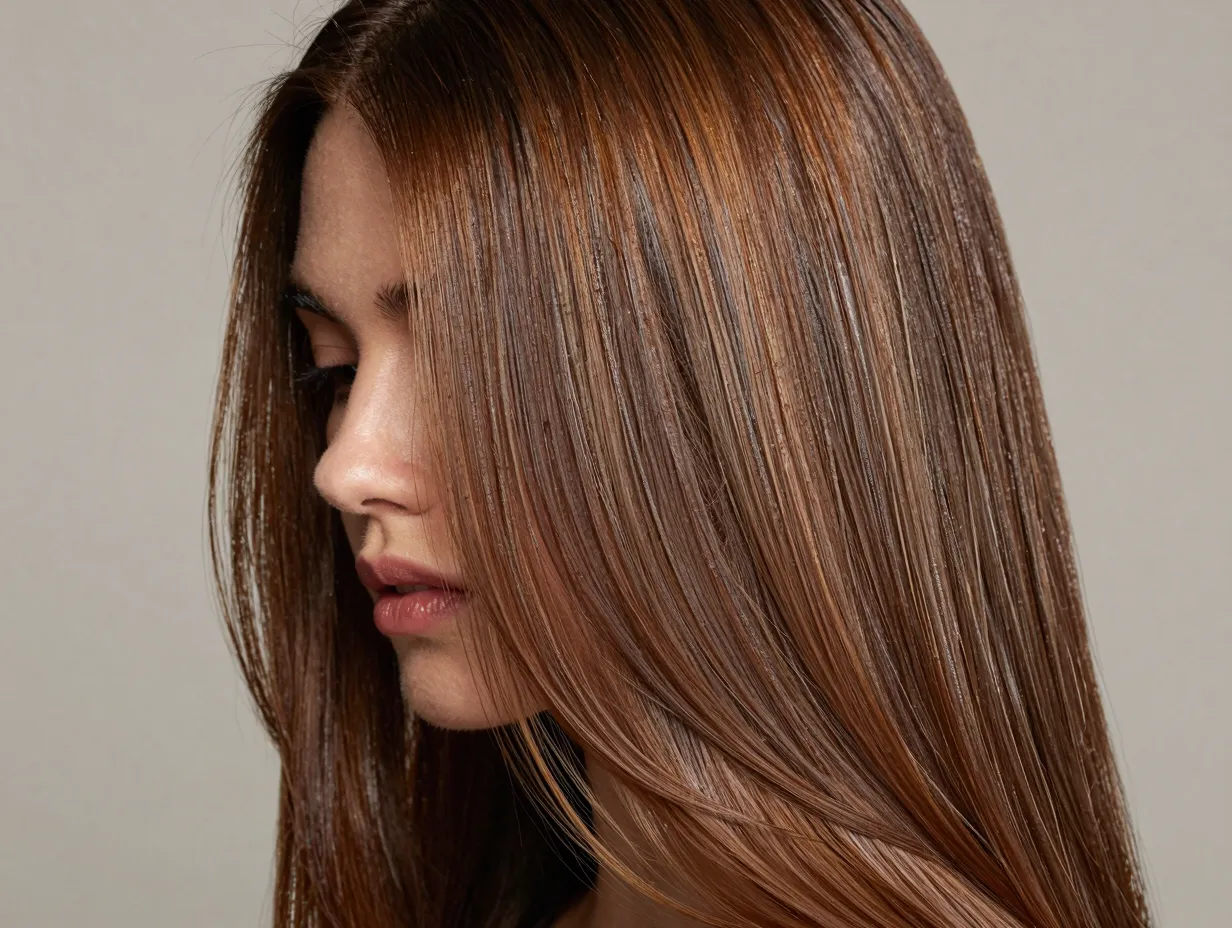
Babylights are the finest, most delicate highlights a colorist can apply — tiny sections of hair lightened to create the subtle, multi-tonal variation that children’s hair naturally has. When paired with a gloss overlay (a semi-permanent toner applied over the entire head), the result is a luminous, healthy-looking finish that is almost impossible to distinguish from natural hair. [2]
The gloss overlay is the secret weapon here. It unifies the babylights with the natural base, adds shine, and can be customized to be warm, cool, or neutral depending on your preference. Because the highlights are so fine and diffused, grow-out is essentially invisible — the hair simply looks like it has beautiful natural variation.
Babylights vs. traditional highlights at a glance:
- Section size: Babylights use very fine sections (1–2mm); traditional highlights use larger sections
- Contrast: Babylights create subtle variation; traditional highlights create more visible contrast
- Grow-out: Babylights grow out seamlessly; traditional highlights show a line
- Processing time: Babylights take longer to apply but last significantly longer [2]
How to Choose the Right Low-Key Color for Your Brunette Hair
With 8 dyed hair ideas for brunettes that are surprisingly low-key now on the table, the next step is narrowing down which one fits your hair, lifestyle, and goals. Here is a simple decision framework:
Consider Your Natural Base First
Your starting point determines how much work any technique requires. Very dark hair (Level 2–3) will need more lightening to achieve visible results, making cold brew brunette or babylights the most practical choices. Medium brown hair (Level 4–6) has the most flexibility and can pull off nearly any technique on this list.
Match Undertone to Skin Tone
This is the most important decision you will make. Warm techniques (chestnut balayage, toffee brunette, honey highlights) flatter golden, olive, and warm skin tones. Cool techniques (mushroom bronde) work best on neutral to cool complexions. Neutral techniques (brownie batter, cold brew brunette) are universally flattering.
Be Honest About Your Maintenance Tolerance
| Technique | Maintenance Level | Salon Frequency |
|---|---|---|
| Root smudging | ⭐ Very low | Every 16–20 weeks |
| Cold brew brunette | ⭐ Very low | Every 12–16 weeks |
| Babylights + gloss | ⭐⭐ Low | Every 12–16 weeks |
| Chestnut balayage | ⭐⭐ Low | Every 12–16 weeks |
| Brownie batter | ⭐⭐ Low | Every 8–12 weeks |
| Honey highlights | ⭐⭐⭐ Moderate | Every 10–14 weeks |
| Toffee brunette | ⭐⭐⭐ Moderate | Every 10–12 weeks |
| Mushroom bronde | ⭐⭐⭐ Moderate | Every 10–14 weeks |
Ask Your Colorist These Questions
- “What level is my natural hair, and which technique will grow out most naturally?”
- “Can we do a strand test to preview the result before committing?”
- “What at-home products will help me maintain this between appointments?”
- “Would a gloss treatment between visits extend my results?”
At-Home Care Tips to Extend Your Low-Key Color
Even the most low-maintenance color benefits from smart at-home care. These habits will keep your brunette color looking fresh longer:
- 🧴 Use color-safe, sulfate-free shampoo — sulfates strip color faster than almost anything else
- 💧 Wash hair in cool or lukewarm water — hot water opens the cuticle and accelerates color fade
- 🌿 Apply a weekly deep conditioning mask — colored hair is more porous and needs extra moisture
- ☀️ Use UV-protective hair products — sun exposure is a major cause of brassiness and fade
- 🚿 Extend time between washes — the less you wash, the longer your color lasts
- ✨ Book a gloss treatment every 6–8 weeks — a clear or tinted gloss refreshes shine and tone without full color service [3]
Frequently Asked Questions
Will these techniques damage my hair?
Most of the techniques on this list — particularly root smudging, brownie batter highlights, and babylights — involve minimal to moderate lightening, which means less damage than a full bleach process. The key is working with a skilled colorist who uses bond-building treatments (like Olaplex or similar) during the color service.
Can I do any of these at home?
Root smudging and gloss treatments are available as at-home kits, but balayage and babylights are best left to professionals. Freehand techniques require training to look natural rather than patchy.
How do I prevent brassiness in brunette color?
Use a blue or purple toning shampoo once a week to neutralize warm, brassy tones. This is especially important for mushroom bronde and cold brew brunette, which rely on cool, ashy tones. [4]
What if I want to go back to my natural color?
All of the techniques listed here are designed to fade gracefully and grow out naturally. Root smudging in particular is specifically designed to help you transition back to your natural color without a dramatic line.
Conclusion: Your Low-Key Color Journey Starts Now
The 8 dyed hair ideas for brunettes that are surprisingly low-key covered in this guide prove that you do not have to choose between beautiful hair and a manageable routine. From the warm, sun-kissed glow of chestnut balayage to the barely-there subtlety of brownie batter highlights, every option here is designed to work with your natural brunette base — not against it.
Here are your actionable next steps for 2026:
- Identify your natural hair level (ask your current colorist or use a shade chart at a beauty supply store)
- Choose your undertone direction — warm, cool, or neutral — based on your skin tone
- Pick your maintenance tolerance from the table above and match it to a technique
- Book a consultation (not just an appointment) with a colorist who specializes in brunette dimensional color
- Ask about bond-building treatments to protect hair integrity during the color process
- Invest in a quality color-safe shampoo and weekly mask before your first appointment
Low-maintenance does not mean low-effort in the salon — it means smarter choices that give you more freedom between visits. The right technique, applied well, will have people asking if that is just your natural hair. That is the goal. That is the magic of truly low-key brunette color.
References
[1] Hair Colors Try Pump Up Basic Brunette – https://www.women.com/1998719/hair-colors-try-pump-up-basic-brunette/
[2] Low Maintenance Hair Color – https://www.hair.com/low-maintenance-hair-color.html
[3] Dimensional Brunette Hair – https://www.wella.com/professional/en-US/blog/hair-color/dimensional-brunette-hair
[4] Hair Color Ideas For Brunettes – https://www.redken.com/blog/hair-color-ideas-for-brunettes.html